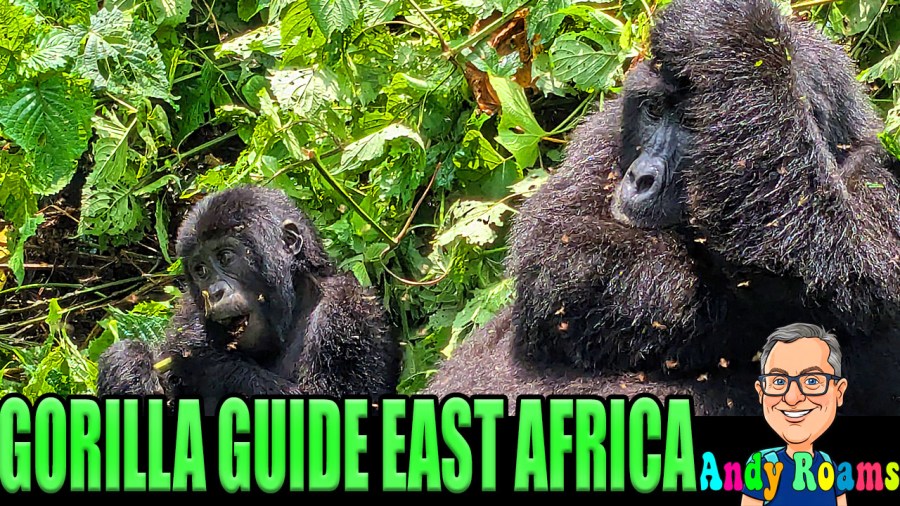
Hi all. Recently I posted about my experience gorilla trekking in Bwindi Impenetrable Forest, Uganda from last year. You can read all about it HERE. Today I wanted to write a bit more about gorilla trekking in terms of a sort of ‘need to know’ post. I will start by saying by no means am I an expert in gorilla trekking, I have spent exactly one day in my life doing it, and most other information is gleaned off the internet through a simple search, which anyone can do. But I thought it would be a nice idea for a post anyways to put it all down in one place.
Firstly – STEP ONE. So, you want to go gorilla trekking! Great! There are just over 1000 mountain gorillas in the world and most of them can be found in a small area in East Africa. This area basically is a border area touching on three countries – Uganda, Rwanda and the Democratic Republic of the Congo.
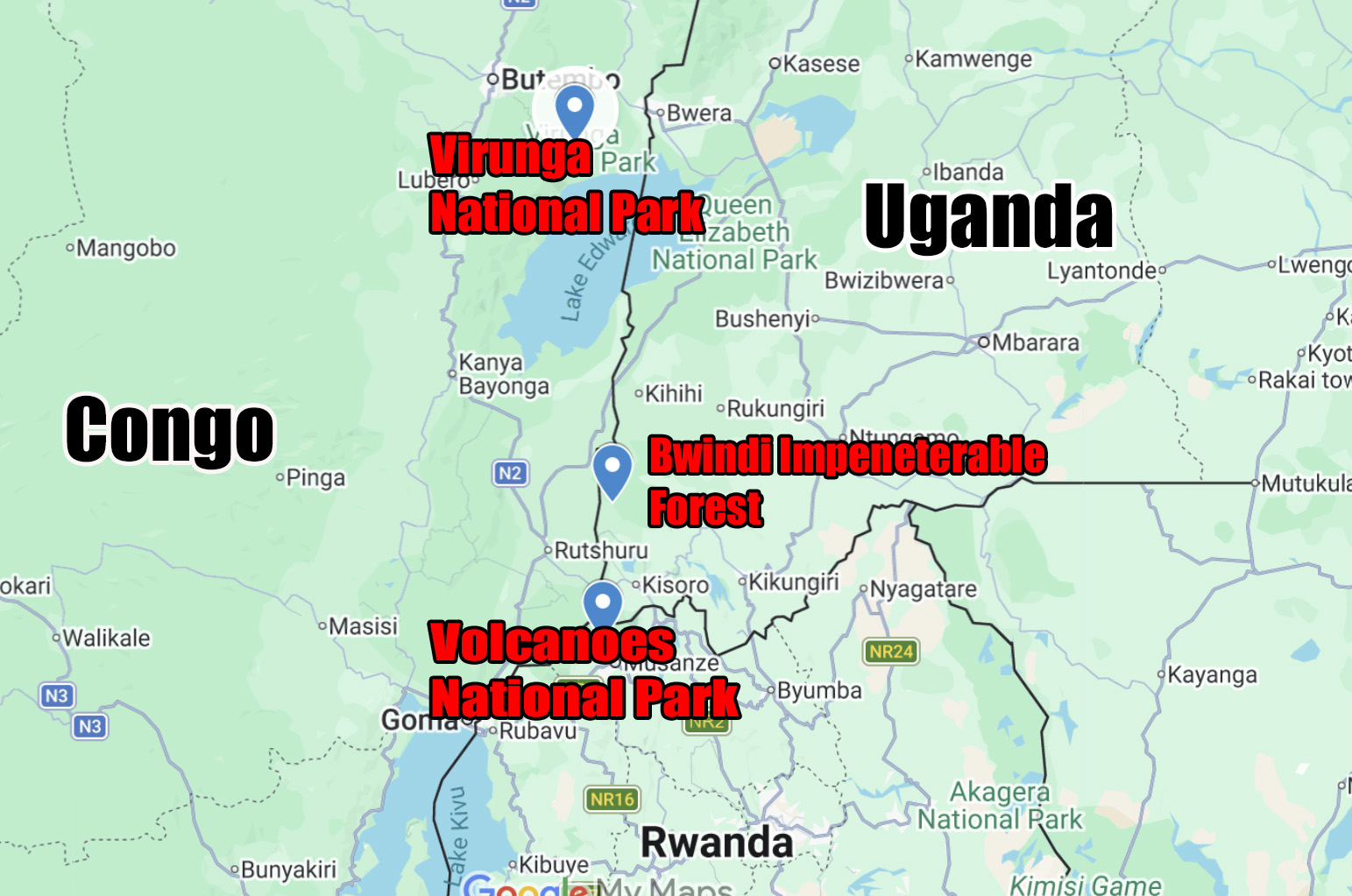
I chose in the end to trek in Bwindi Impenetrable Forest in Uganda, and I accessed it from Bunyonyi Lake, which was a couple of hours away by Land Rover from Rushaga Village, where the trek began and ended.
Mountain Gorillas are a protected species, and endangered. Through the development of trekking, their conservation and protection has been advanced. The gorillas are conditioned to accept and allow humans, their closest relatives in terms of species, to be around them. In turn, anyone wanting to visit the gorillas needs a permit.
Most people will book through a tour agency of some kind. I found Safari Bookings (safaribookings.com) to be a great starting point, giving you a range of operators. Whilst you could technically book your trek yourself, you would need transport to Rushaga (in the case of Bwindi) where you could join the trek. You would need to organise your own permit and I’m not sure just how easy it is. By going with a tour group they take that legwork on and you only need to provide them with a few details and a copy of your passport.
I did this well in advance. I went on Safari Bookings Dot Com and found “Big Ape Africa”. I saw a number of tours, but I approached them asking for one person, coming from Bunyonyi and returning the same day. The tours generally including a lot of extras, and I was guarding my budget and all I was interested in was seeing the gorillas.
I had researched in 2024, but approached Big Apes Africa in January, six months before my visit, and by the end of January had it all organised. I wouldn’t advise leaving it much later than that, at least for Uganda. The total cost for me – $999 USD. Of course I tipped the guide to get there/driver, but the price is more than reasonable because it includes doing all the paperwork for you and transport.
The biggest thing though is the permit, and that was included in the total price. Depending on the country, the price of the permit varies. Uganda is in the middle at $800USD for a permit. If you want to see the gorillas in Rwanda you are looking at $1500USD for the permit ALONE. As for the Congo, where the most common spot is Virunga National Park accessed I think from Goma in eastern DRC, they charge only $400USD. Now this is probably because it’s the least used option as DRC is not exactly stable, has frequent Ebola outbreaks and is harder to access when compared to Uganda and Rwanda.
So I chose the Ugandan option for the obvious reasons – it wasn’t the most expensive and it wasn’t the hardest to access. I was all booked and confirmed six months before hitting Africa and as it was just the single day, it wasn’t a tour that required lots of organisation, just confirmation and payment. My memory is hazy on how much I paid up front but my best guess is 50% or $500USD. The rest was done online whilst I was on the drive back from Bwindi to my hotel.
Something to be aware of is that my WiFi experiences in Uganda were mind numbingly poor. And then I used my Saily Esim-card and that wasn’t great either. One of the main issues you may have with an ESim is that when making a card payment online you need to get a One Time Password (OTP) from your bank. If you are on an ESim, you don’t have access to texts and calls, just data. If you use a local sim, you’re number is different to the one your bank has, so you need to turn on roaming to make these kinds of payments. I found my roaming connection was actually a hundred times better than the one with Saily and made the fatal mistake of not turning it off and dealing with a bill that was crazy big. I’ve written about it elsewhere in this blog.
I was picked up and taken to Bwindi in the wee hours of the morning, and it was COLD. So you will need layers. Bwindi in July, which is in Winter in Uganda, is cold. It ain’t gonna snow on you, but it’s cold. So layers are the order of the day because once you start trekking, it’s not hot but it is humid (and misty which looks amazing) and you will be shedding those layers.
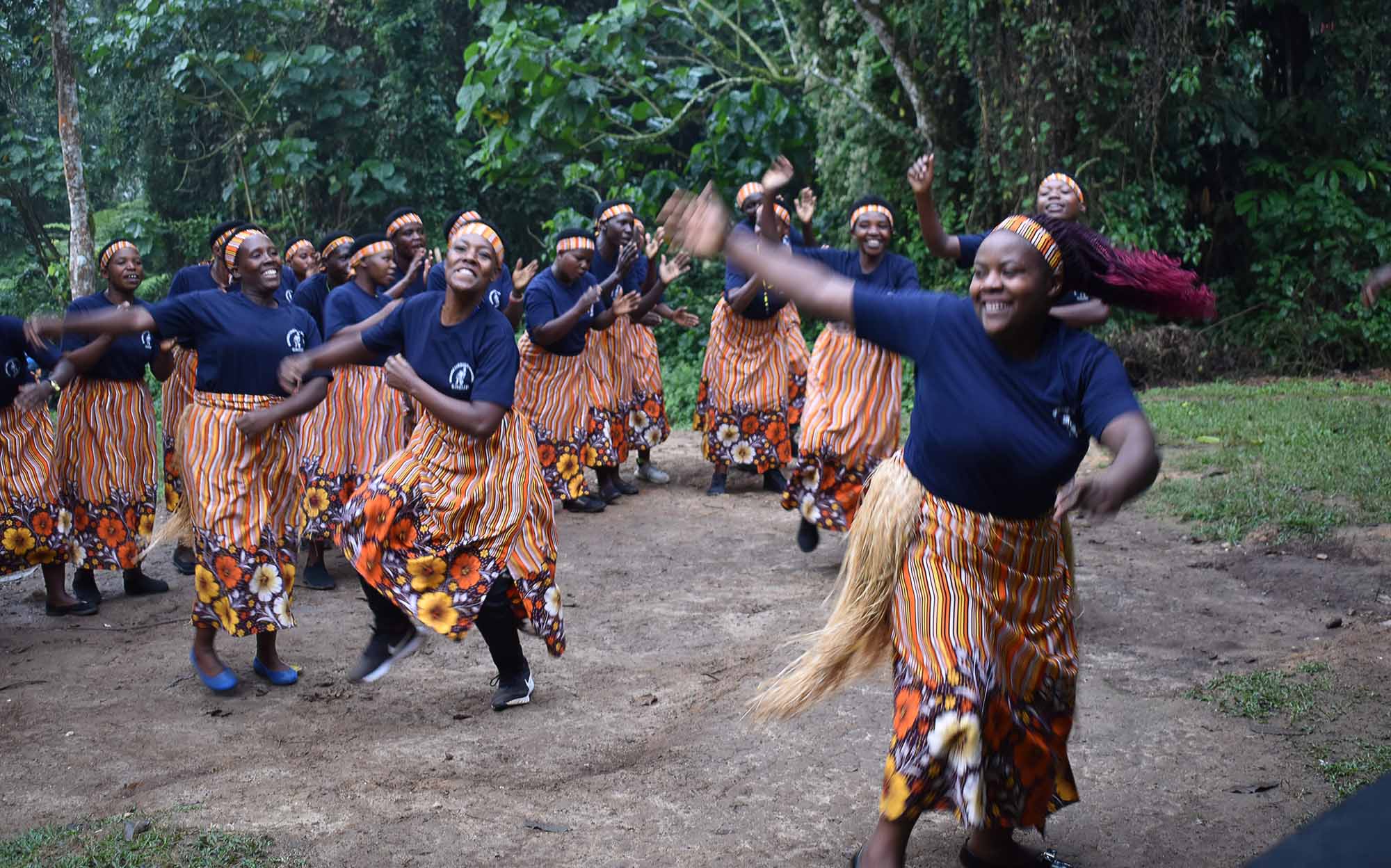
At Rushaga Village there is a welcome by women from the village who sang a song to welcome us. Then there is a brief briefing (yes I know!) about the dos and don’ts when trekking and with the gorillas. They have masks I’m sure but I brought my own, you need to wear them when with the gorillas because they can catch most things we can.
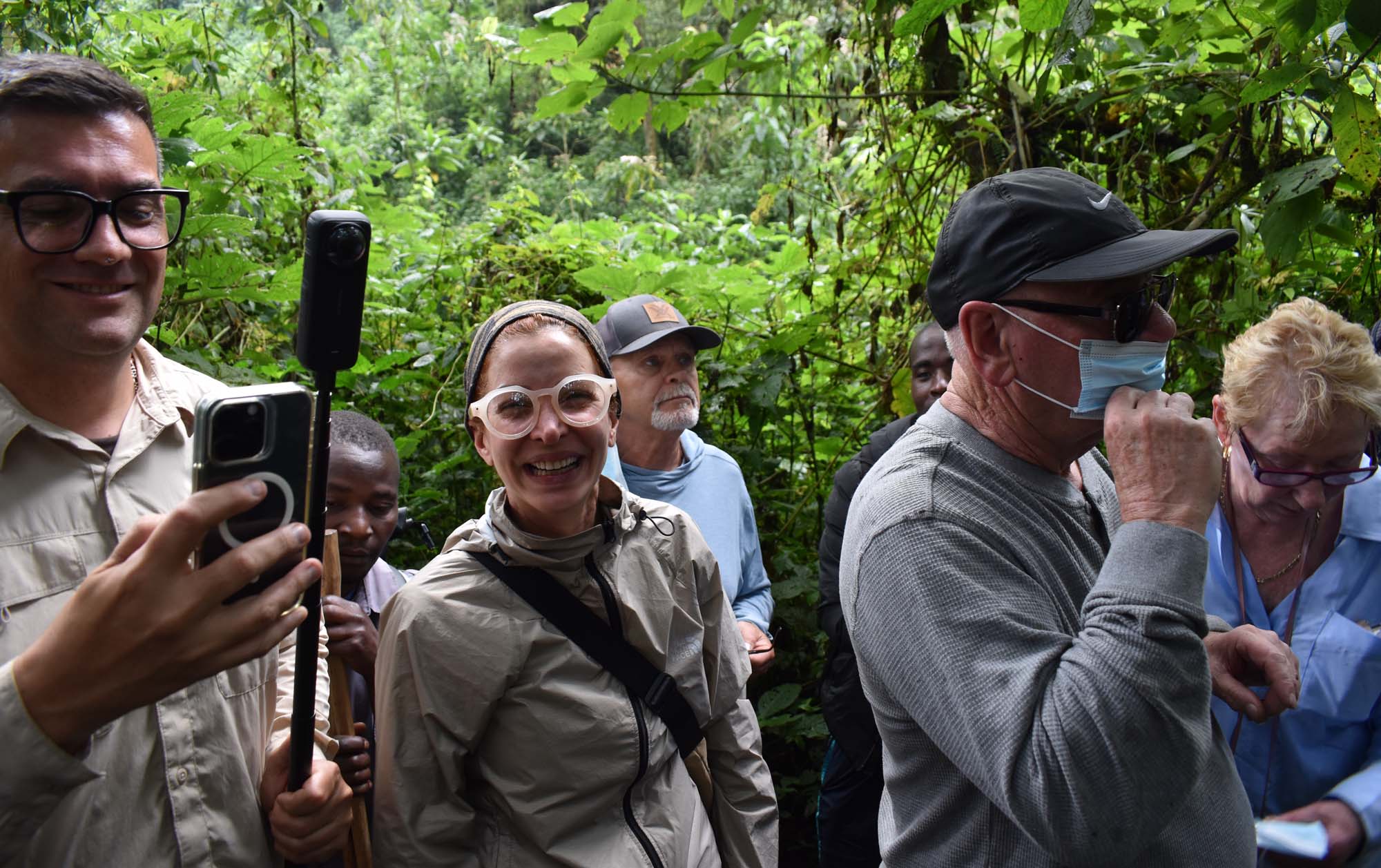
Everyone going on the trek is gathered in a shelter for the welcome and briefing, and then divides into groups, maximum of eight. I think we were seven. Walking sticks are provided if you want one, not a bad idea to take one. A shorter group briefing and you are off. The track starts wider but soon becomes narrow. It’s not even and you need sturdy shoes. It can be slippery, I took a dive and so did a couple of others. There may be creek crossings as well and the final push to see the gorilla family your group is assigned to is probably altogether off any kind of track.
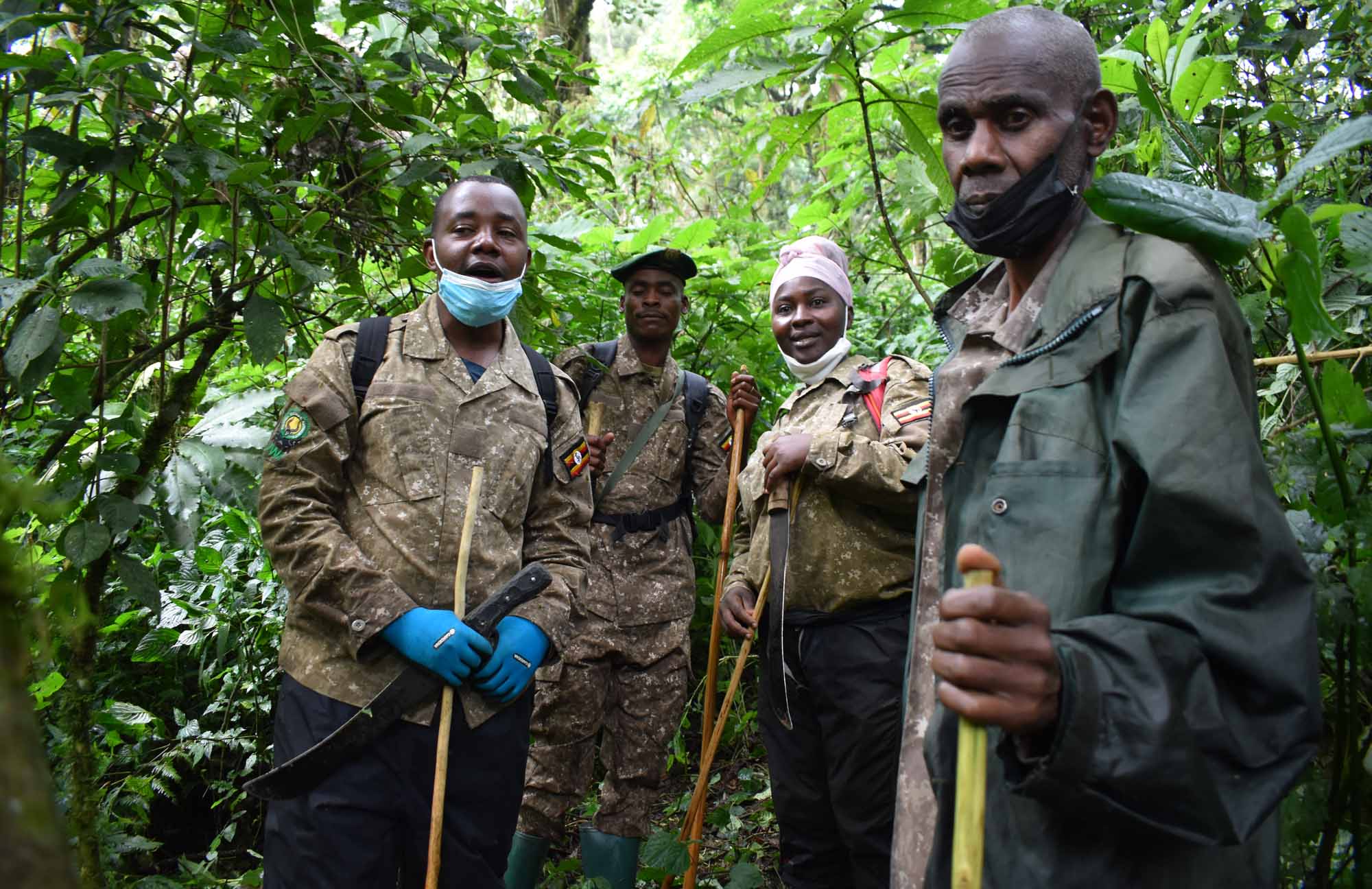
You are encouraged to engage the services of a ‘porter’ to carry your bag and whatever you need. We all pretty much took the offer up because although the bag wouldn’t have been an issue, you are providing some employment for the people of Rushaga, which is an isolated village. They charge $20USD. Some really benefited from it, the porters will look out for you and the older couple (in their 70s) of the group got a bit of help when the path became challenging from their porters.
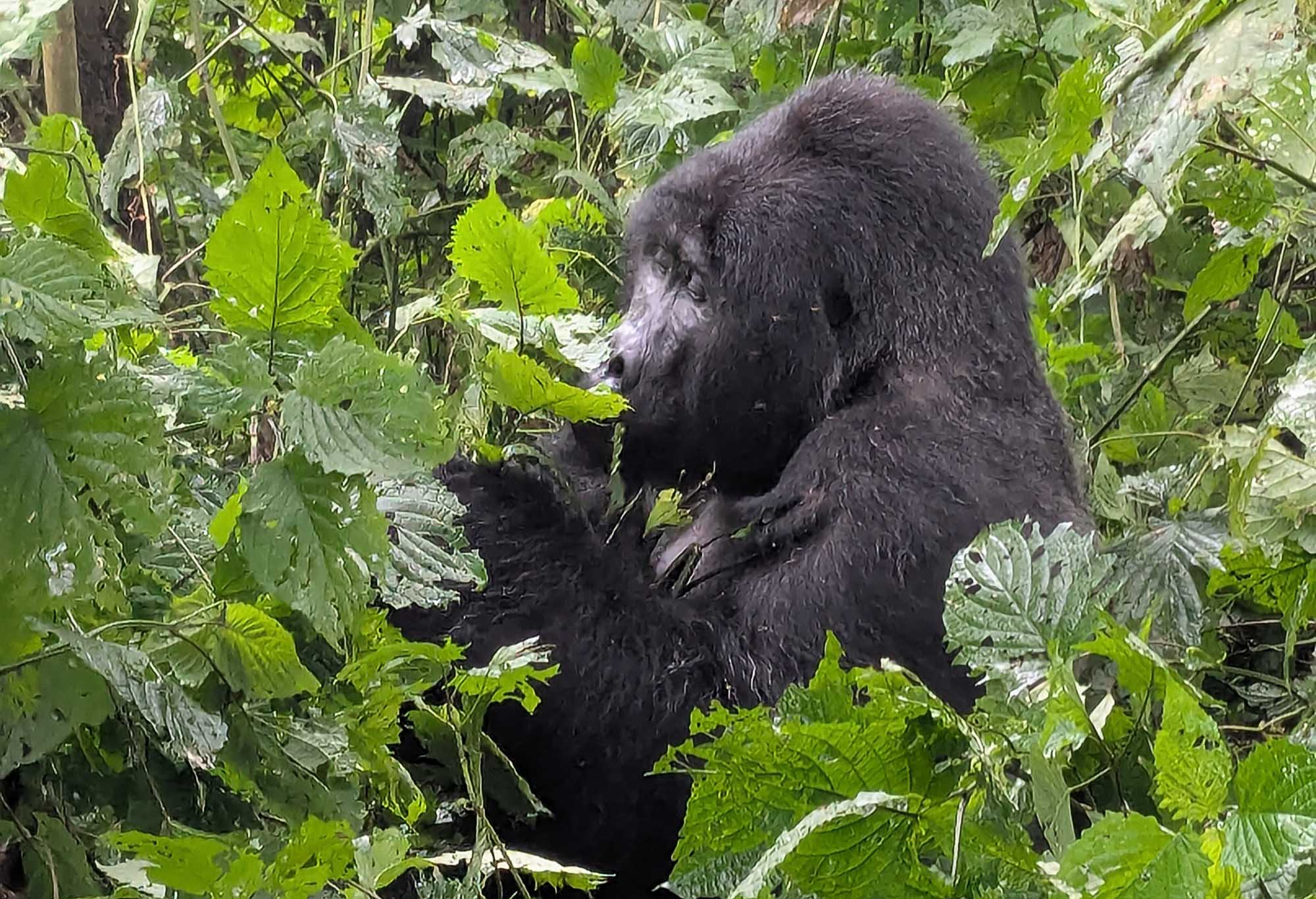
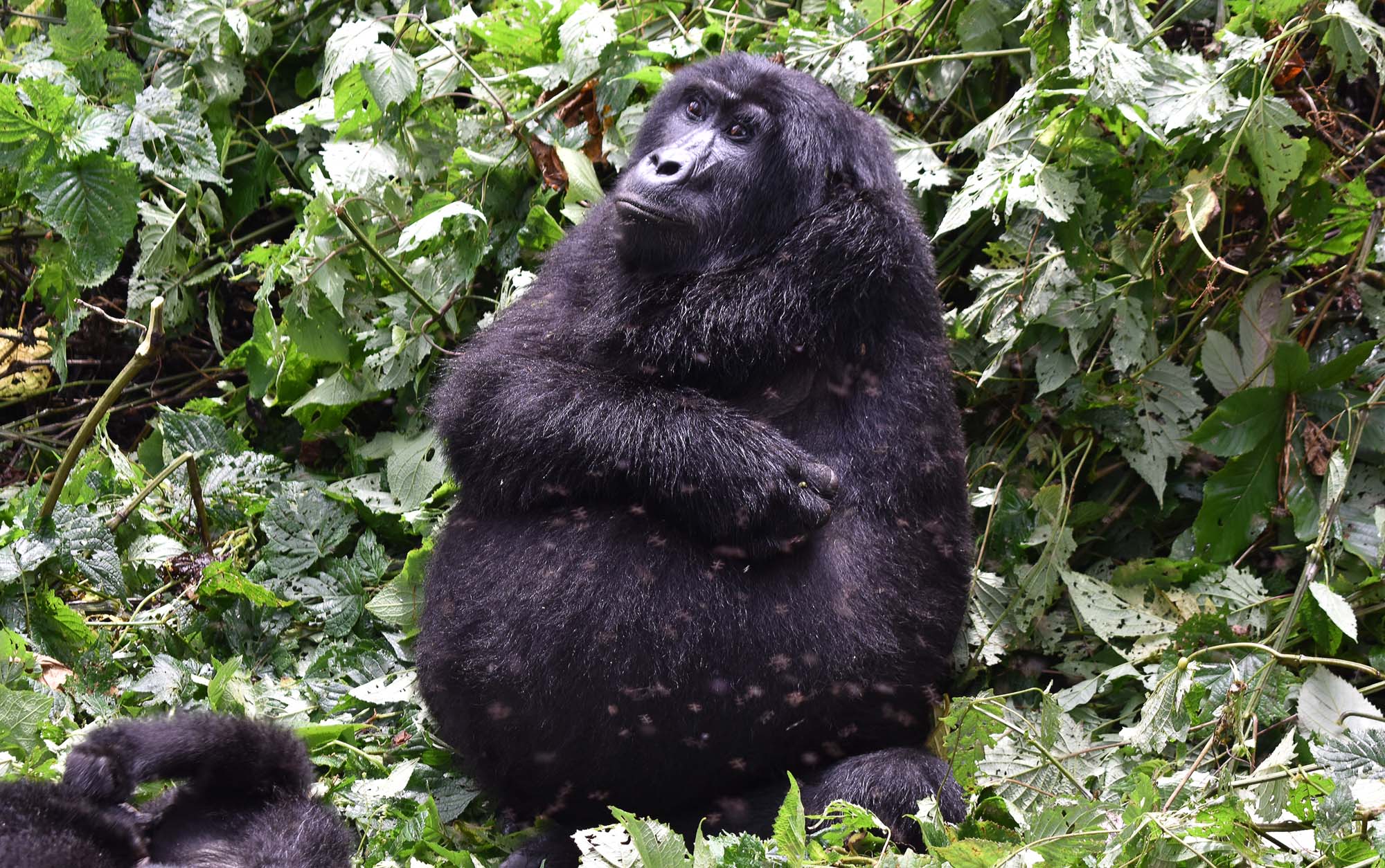
The length of the trek is hard to predict. We were out for around five and a half hours in total I think, the first three to find the gorillas. Scouts are out there looking for them in contact with the group guide and when they find them they direct the guide and the group, and then lead the group with machetes through to where the family of gorillas are. Gorillas tend to spend the morning looking for food and an area to relax, and by mid-morning have found it and this is best time to see the gorillas for visitors.
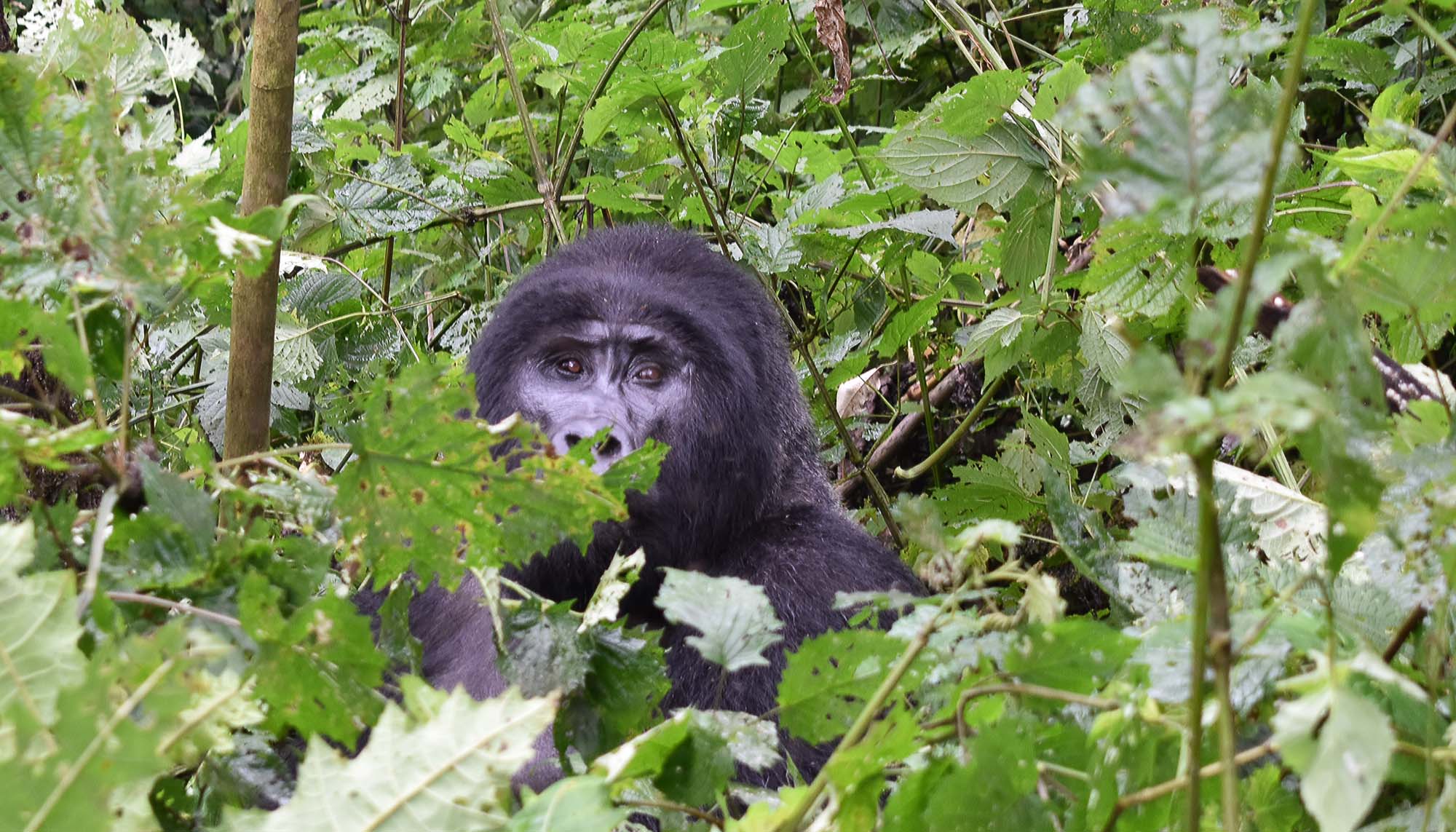
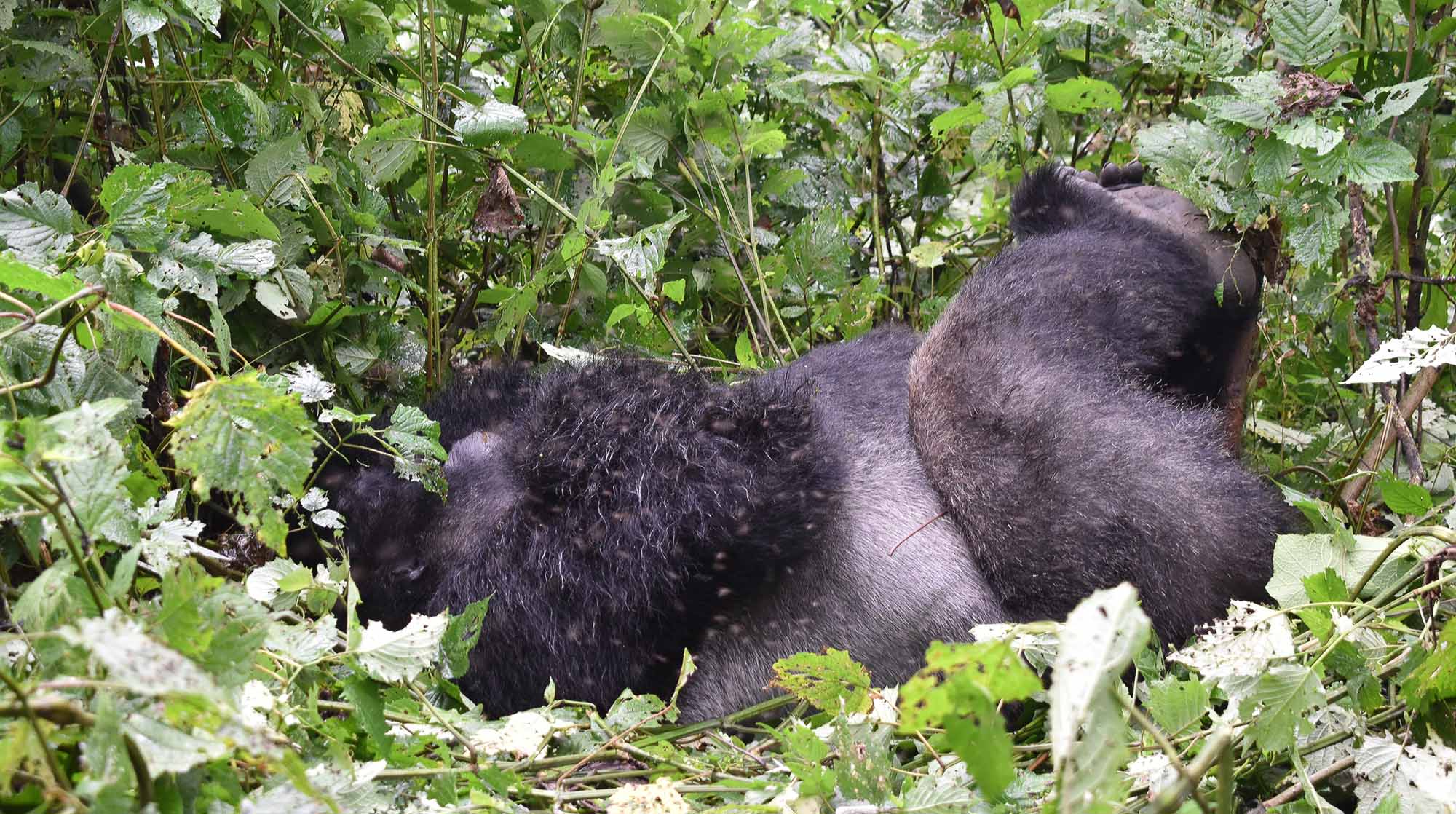
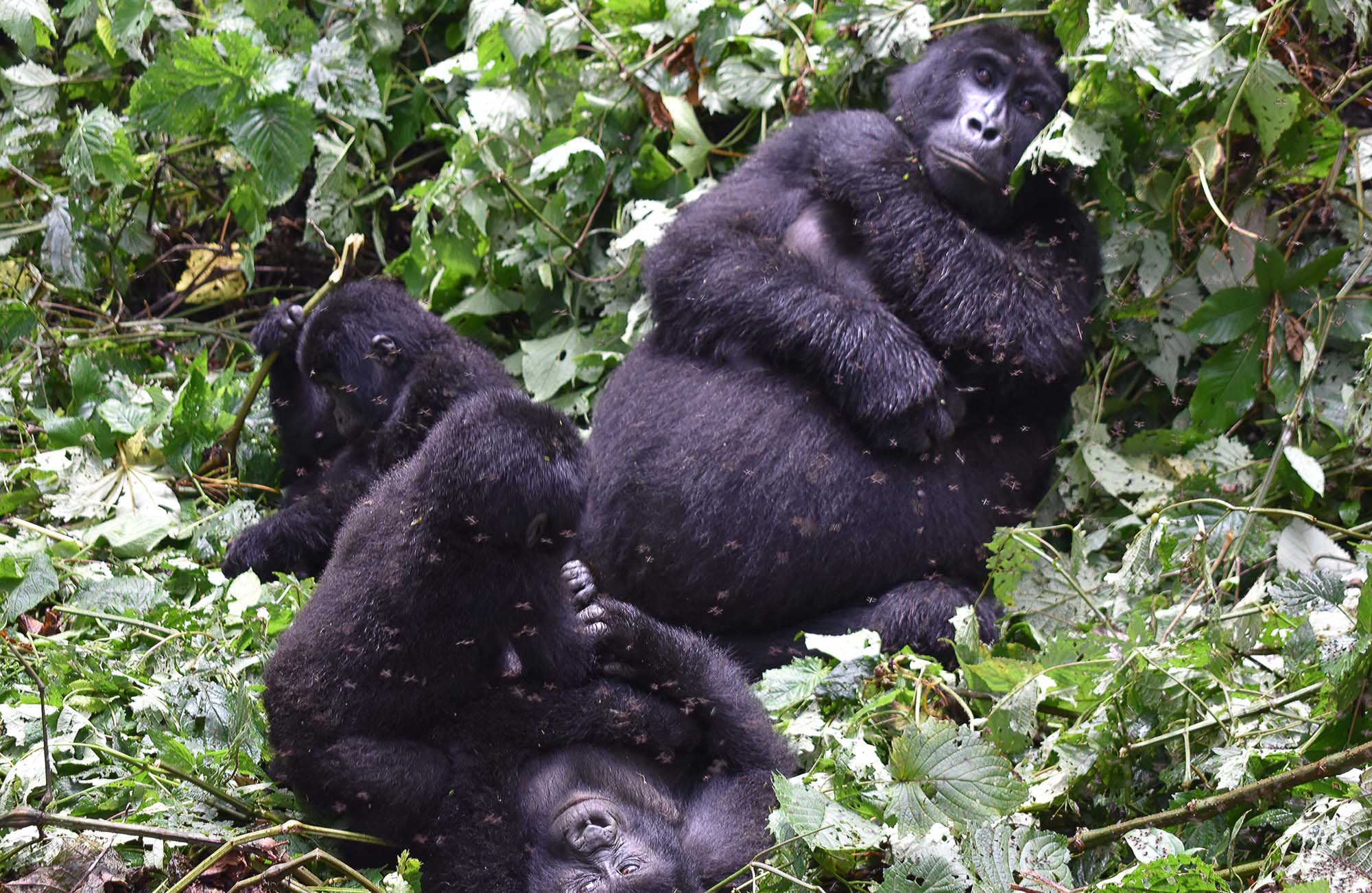
Then we got around an hour with the gorillas. You have to keep a certain distance from them (10 metres I think, although we were closer than that, maybe 5 – 7 metres in general). We did have one young gorilla actually run up TWICE to a member of the group, tap her on the leg and run back to the family. The gorillas have learnt to tolerate humans, who pay to see the gorillas, and much of the fee you pay goes back to protecting the gorillas. You don’t touch or deliberately get close to the gorillas.
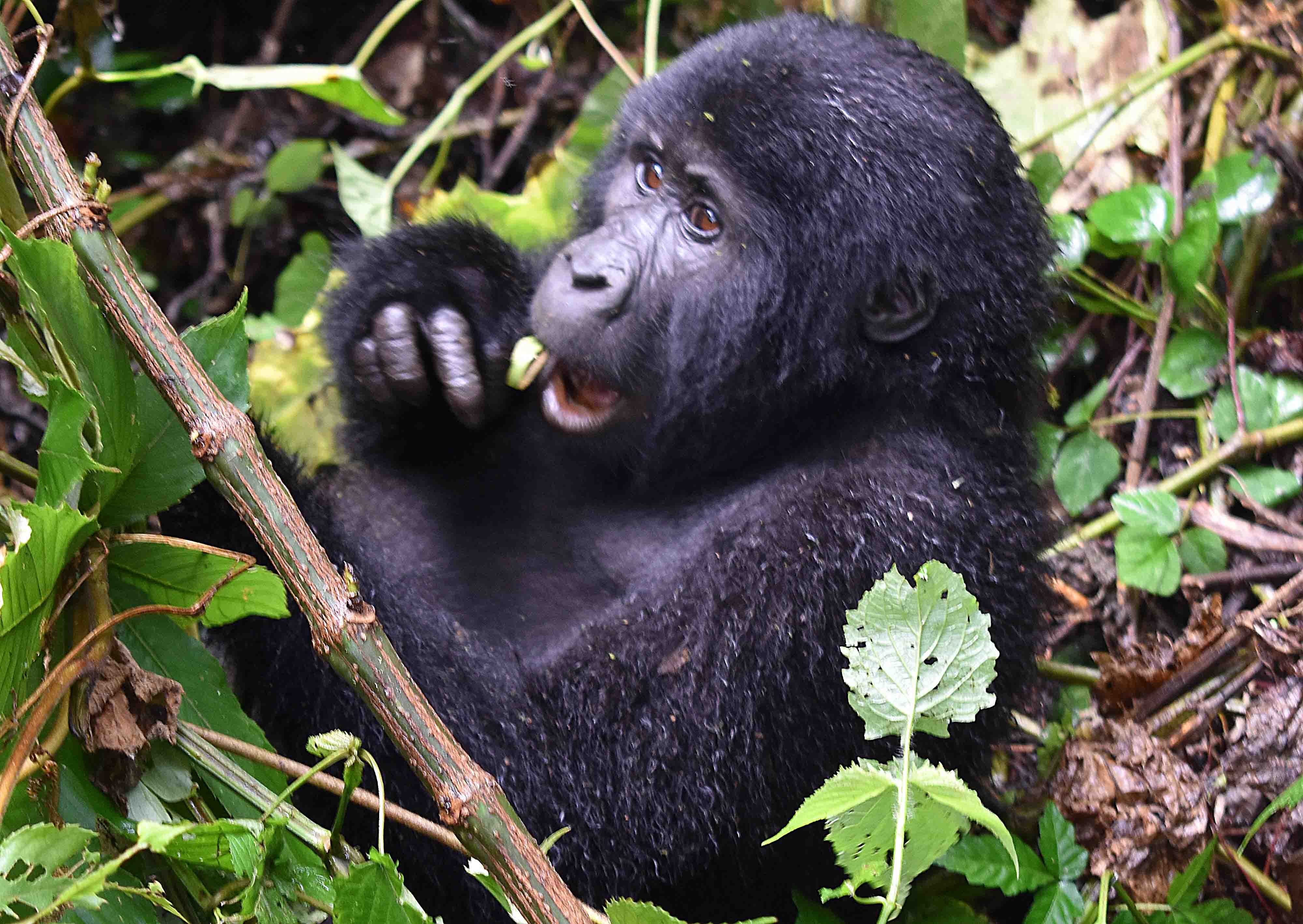
The hour is time well spent, and with a group so small, everyone gets a chance to get their photos in and any footage you might want to take too. And then, you leave. The scouts go there way and you return by foot to Rushaga. We only needed an hour to get back, because we knew exactly where we were going unlike on the way into Bwindi.
Tips are expected and so keep money aside for this. Not just the guide of the group, but your own guide and the security guy that goes with you on the trek. He has a gun, we were told not for the gorillas (obviously I should say) but apparently there are mountain elephants in Bwindi who can get startled by humans. We didn’t see any but were shown when trees and vegetation was squashed, and this was where elephants had been.
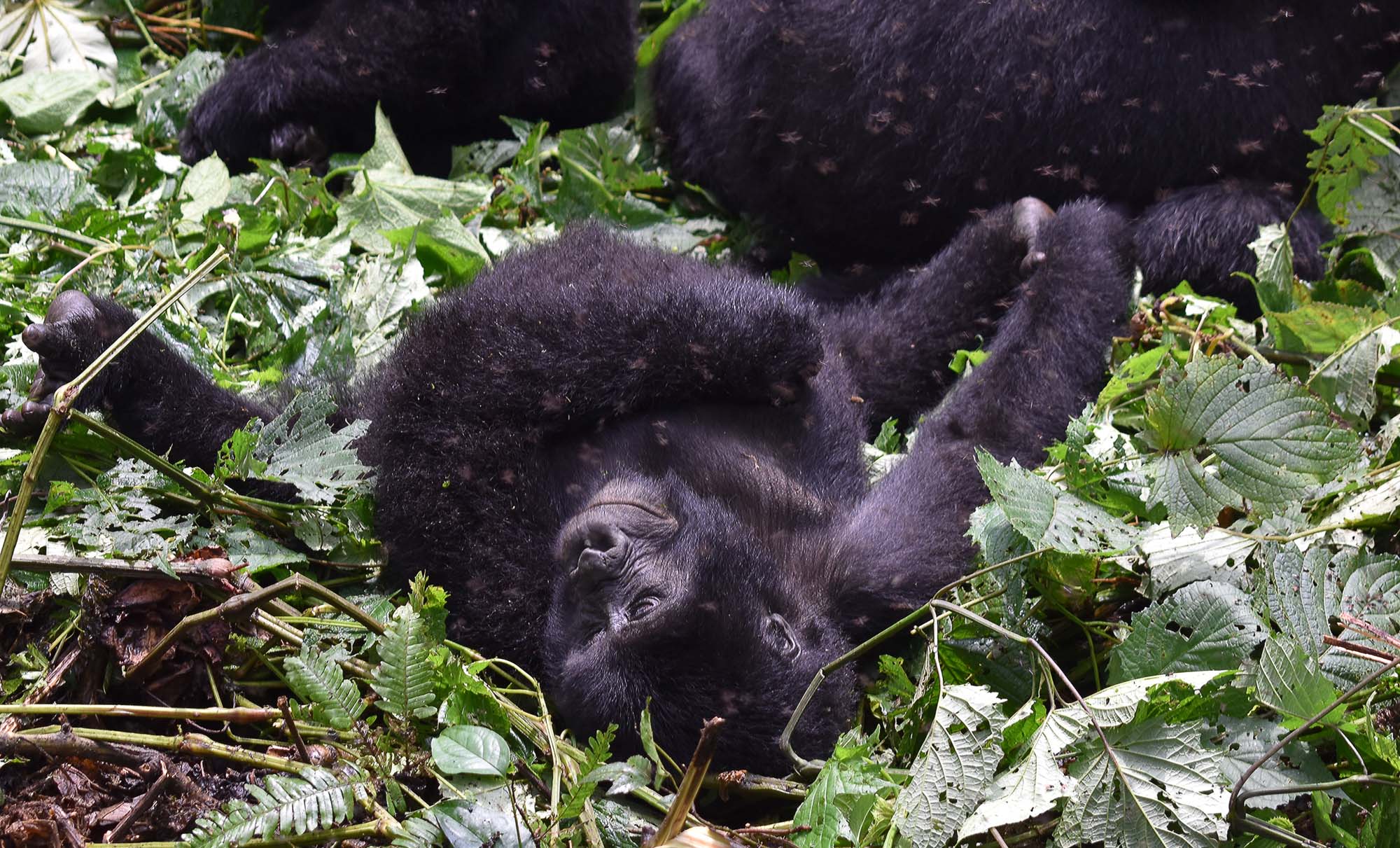
There are tours that will go for a few days and you can explore village life and go for more walks in Bwindi and around, and other animal experiences too. I came, I saw and I went back to Bunyonyi, moving on by bus to Kampala, the Ugandan capital the next day. I was thoroughly exhilarated by the day, one of the best and most rewarding in my life. If this is something you want to do, do it – you won’t regret it!!
Thanks for popping in today and giving this one a little read! Take care wherever you are in the world and… May the Journey Never End!

