
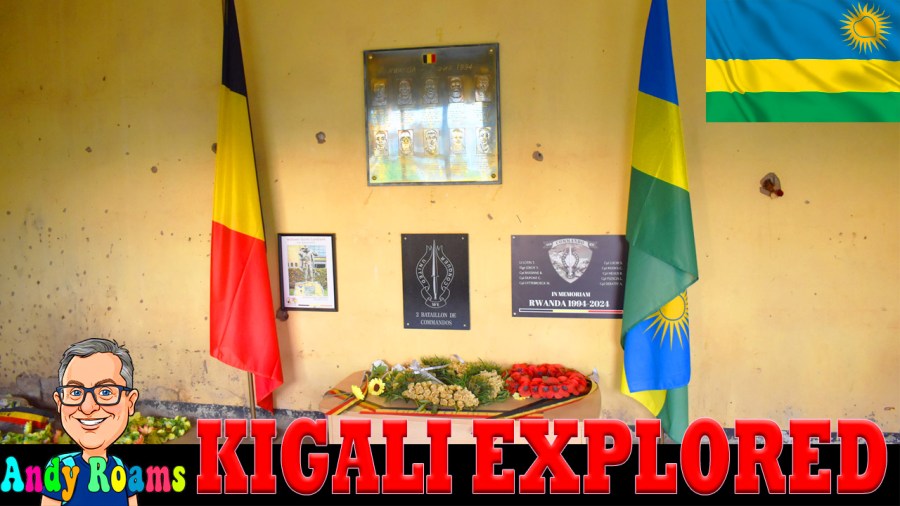
G’day all, and yes, time for another blog post I guess. I mean, clearly! Hope you are well. It’s time to delve into my experiences in East Africa last year, which was the real highlight of my round the world trip that I have been writing about of late. And my first stop was Kigali, the capital of Rwanda. Wasn’t 100% sure it was going to make the itinerary but it turned out to be a great choice for entering the region as I was able to get the East Africa Tourist Visa simply on arrival and I found a convenient day flight from Europe too so it all worked out – except for my luggage not arriving from Amsterdam until the second day.
Kigali was really just a stopover I guess as I moved on after two days and three nights to the thing I most wanted to do in the region, which was visit the gorillas in Uganda, but actually Kigali was closer than Entebbe or Kampala in Uganda, so again this worked out for me. I had read a bit on Rwanda and was keen to visit, but I felt I couldn’t give myself enough time there to visit the places I wanted so in the end it was just a short stay in Kigali.
It’s a very pleasant city with the current reputation as possibly the safest capital city in Africa. It’s got colonial roots and is spread over a number of hills, the weather was mid-20s and a bit sticky but not too bad, I had a fan in my room I didn’t need air-conditioning. It was early July for reference which is generally a common time to visit this part of Africa because it’s cool. And Rwanda is at altitude, and also just south of the Equator which runs through northern neighbour Uganda.
Visiting Kigali I guess it is hard to avoid the history of the 1990s when Hutus (one ethnic group) committed genocide on the Tutsis. This horrific period of history ended when Paul Kagame and the Rwandan Patriotic Front claimed victory on July 4th, 1994. The extremist Hutu Interim Government, which had plunged the country into hell after taking power once the President’s plane was shot down and the Prime Minister murdered at their hands were defeated, those that lived crossed the border to neighbouring DRC (Zaire at the time). Somewhere between 500,000 and 800,000 Tutsis were murdered in the 1994 genocide. On top of that, many others supporting and hiding Tutsis were also murdered (Hutus and Twa) making the total number of deaths somewhere between 800,000 and a million.
So with that backstory behind it, you might be surprised to find that in 2025/26 Kigali is a highly pleasant and very safe city to visit. But it is – and today I give a list and a few notes about the places that I visited there. Some, probably half, represent places that remember the genocide and its victims. There are some moving memorials on places of significance. I also learnt a little more history back to the time when this part of the world was dominated by the European colonial powers – in the case of Rwanda, Germany and Belgium. I took motos or as they call them in Uganda, boda bodas to get around the city – riding on the back of a motorbike. They all had a helmet for the passenger and in truth are a fun way to get around the city! Also, pretty cheap. 1 Australian dollar is equal to around 1000 Rwandan Franc, the local currency.
Kigali Genocide Museum/Memorial
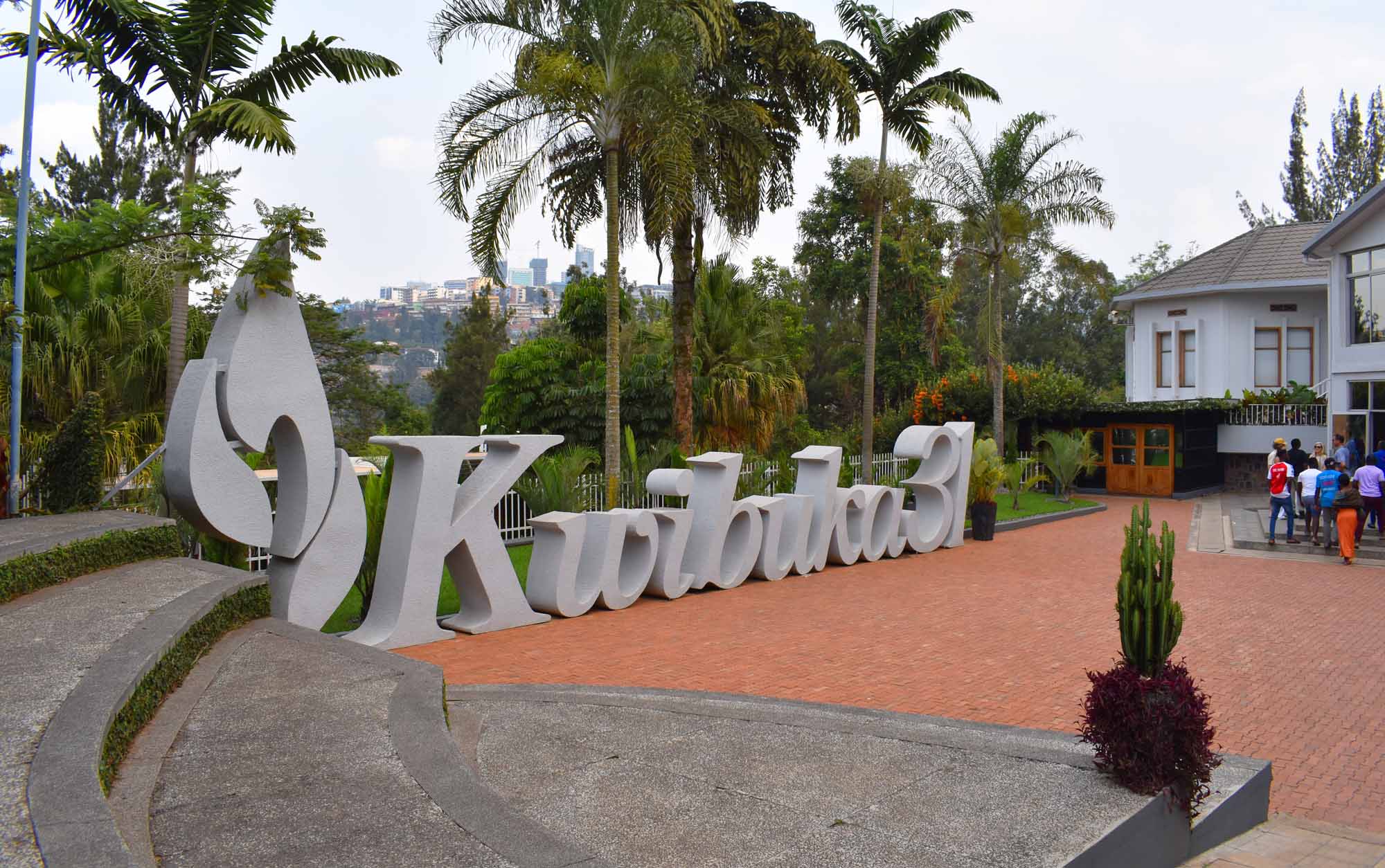
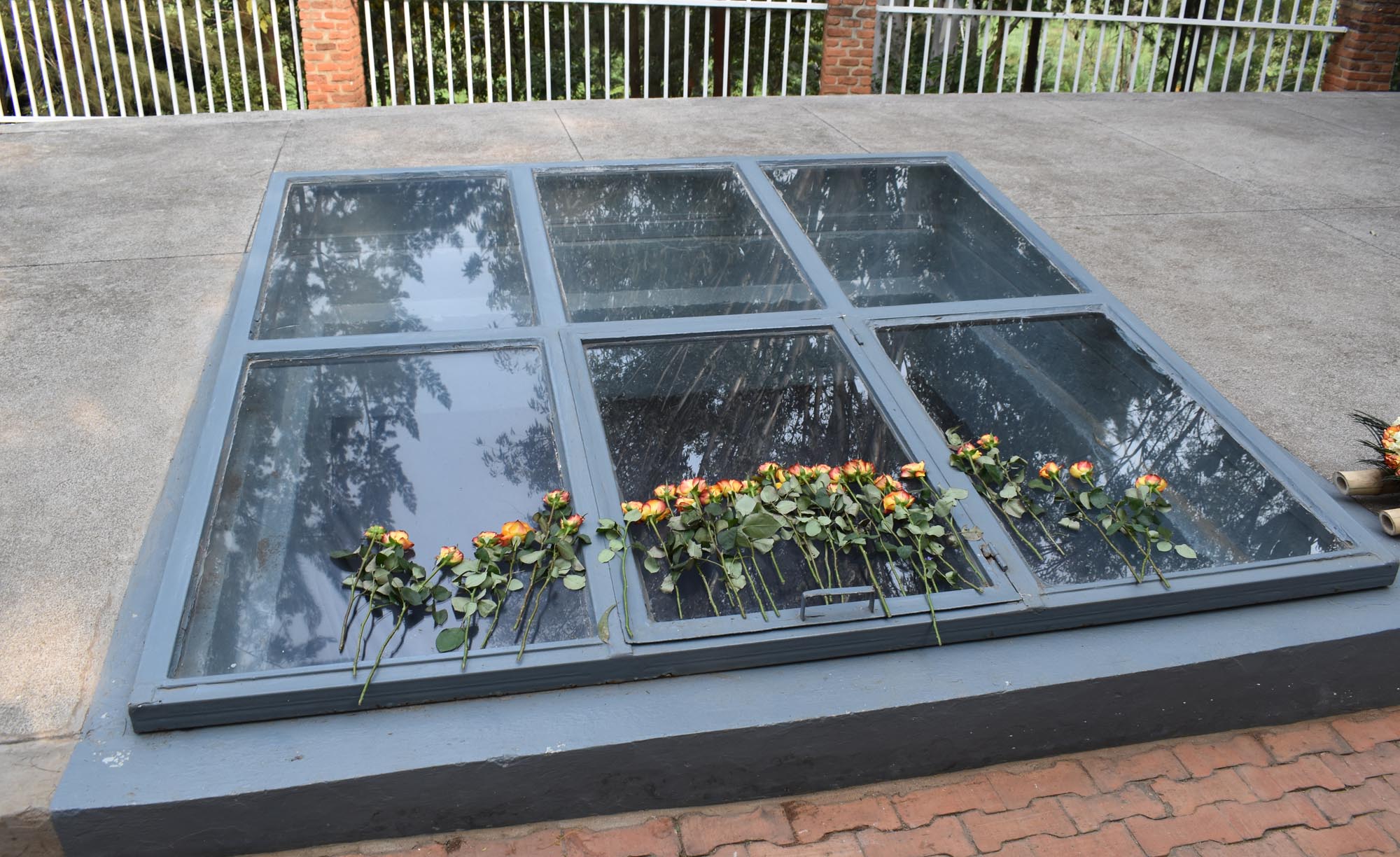
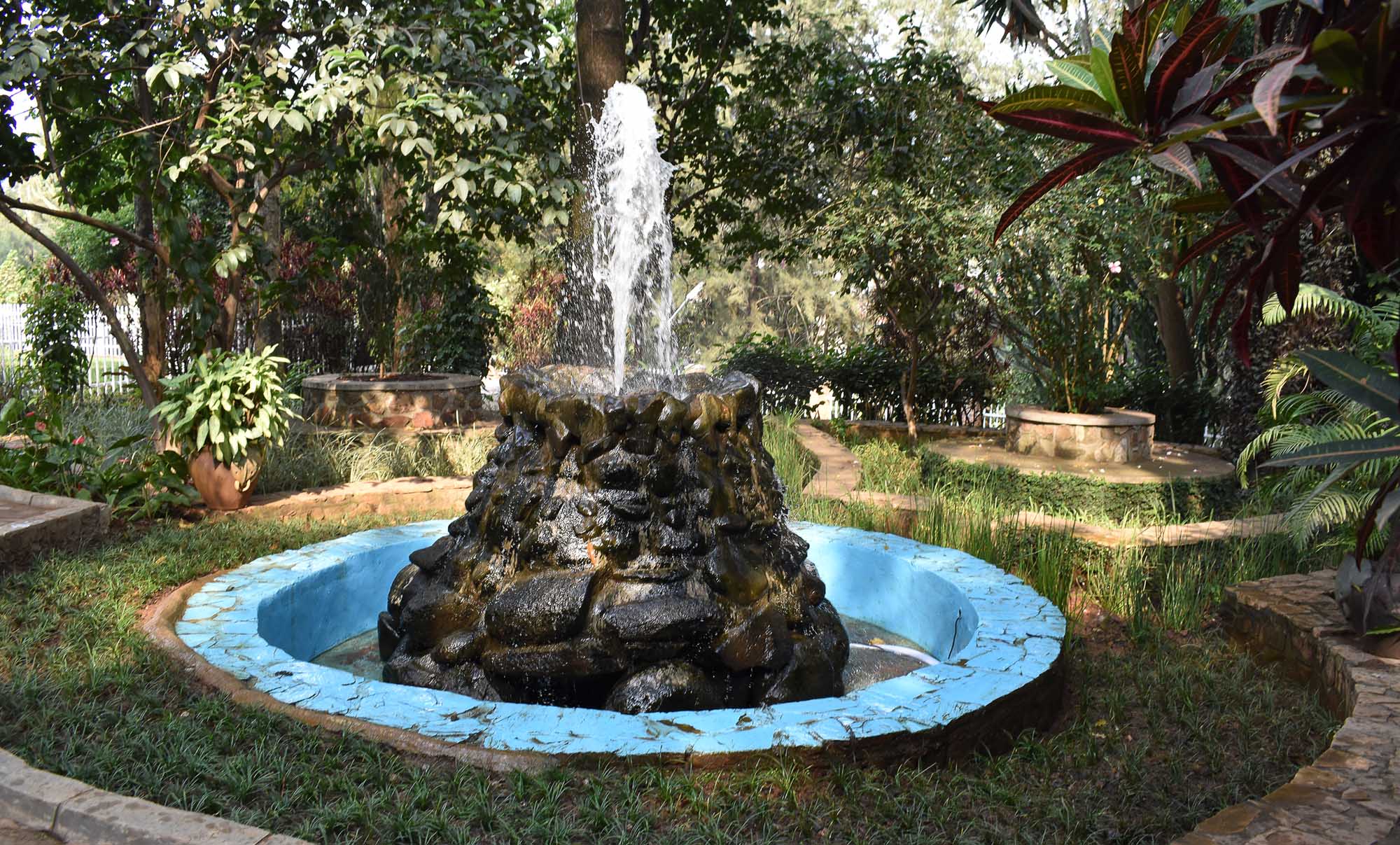
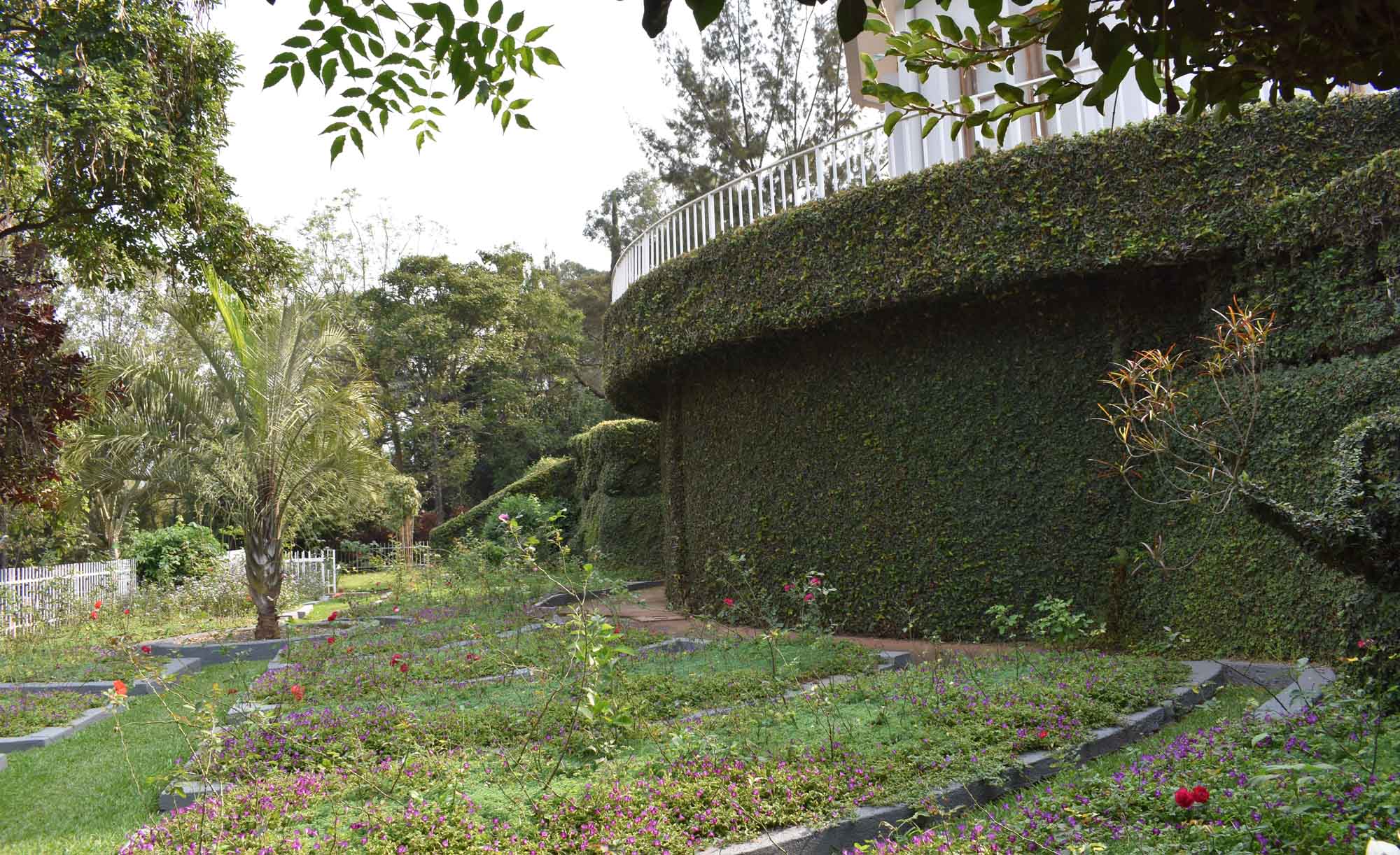
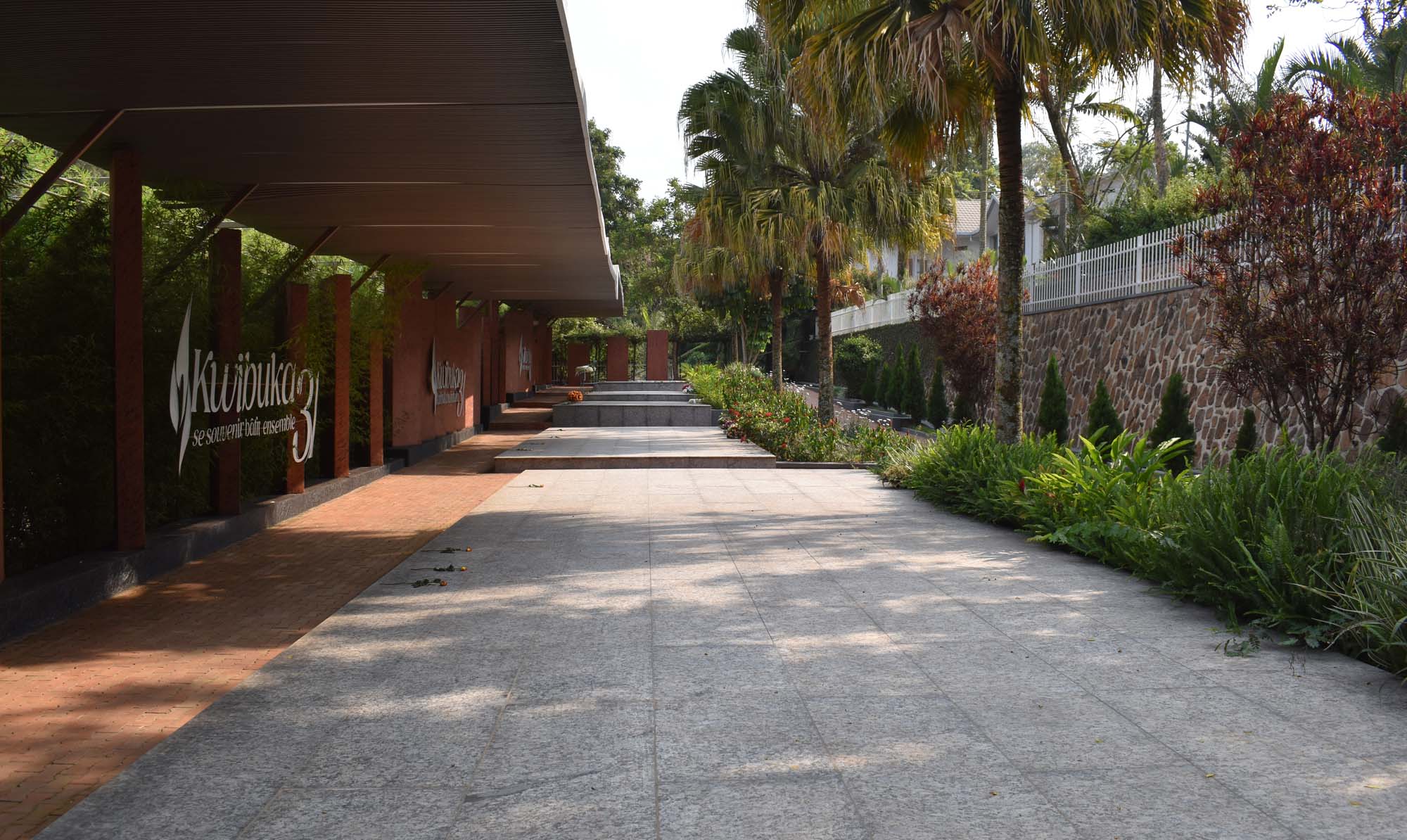
Built on the site of a mass grave, this is the place I started when learning about the Tutsi Genocide in the 1990s. Free, there is a museum on the site which is a lot to take in, you will hear and read stories of survival and of those who did not survive. It’s a good place to start to understand (if that is possible) what happened, and it’s beautifully set on a hill giving you a view of Kigali.
Kandt House Museum
An interesting little museum in an old colonial house at one point occupied by Dr Richard Kandt, a colonialist and German doctor, he was responsible for setting up the first colonial government in Kigali in 1907 (something I just discovered writing this post, I feel so ignorant at times). He was decreed the first Imperial Colonial Resident of Rwanda, and Kigali grew around from the administrative headquarters he set up.
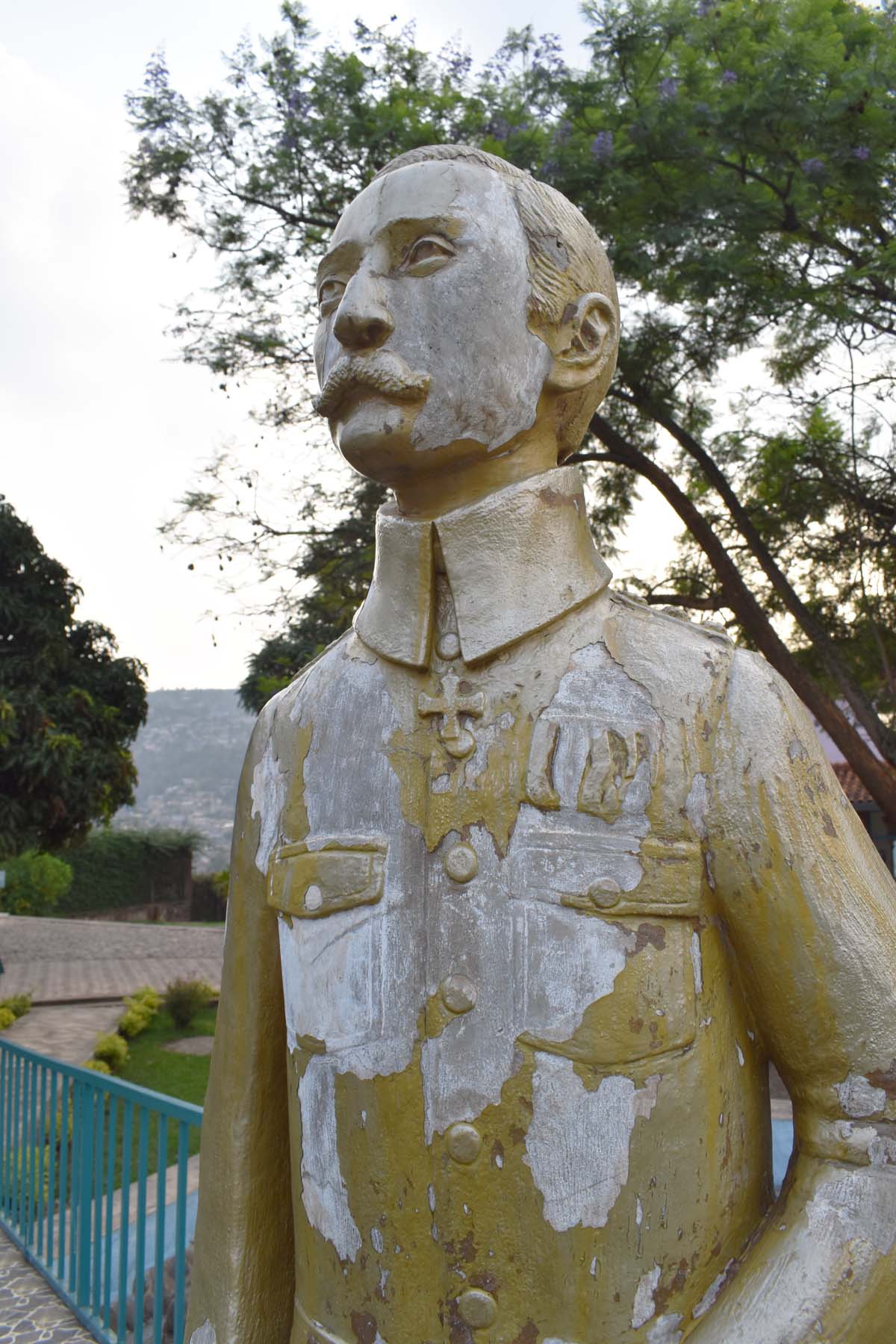
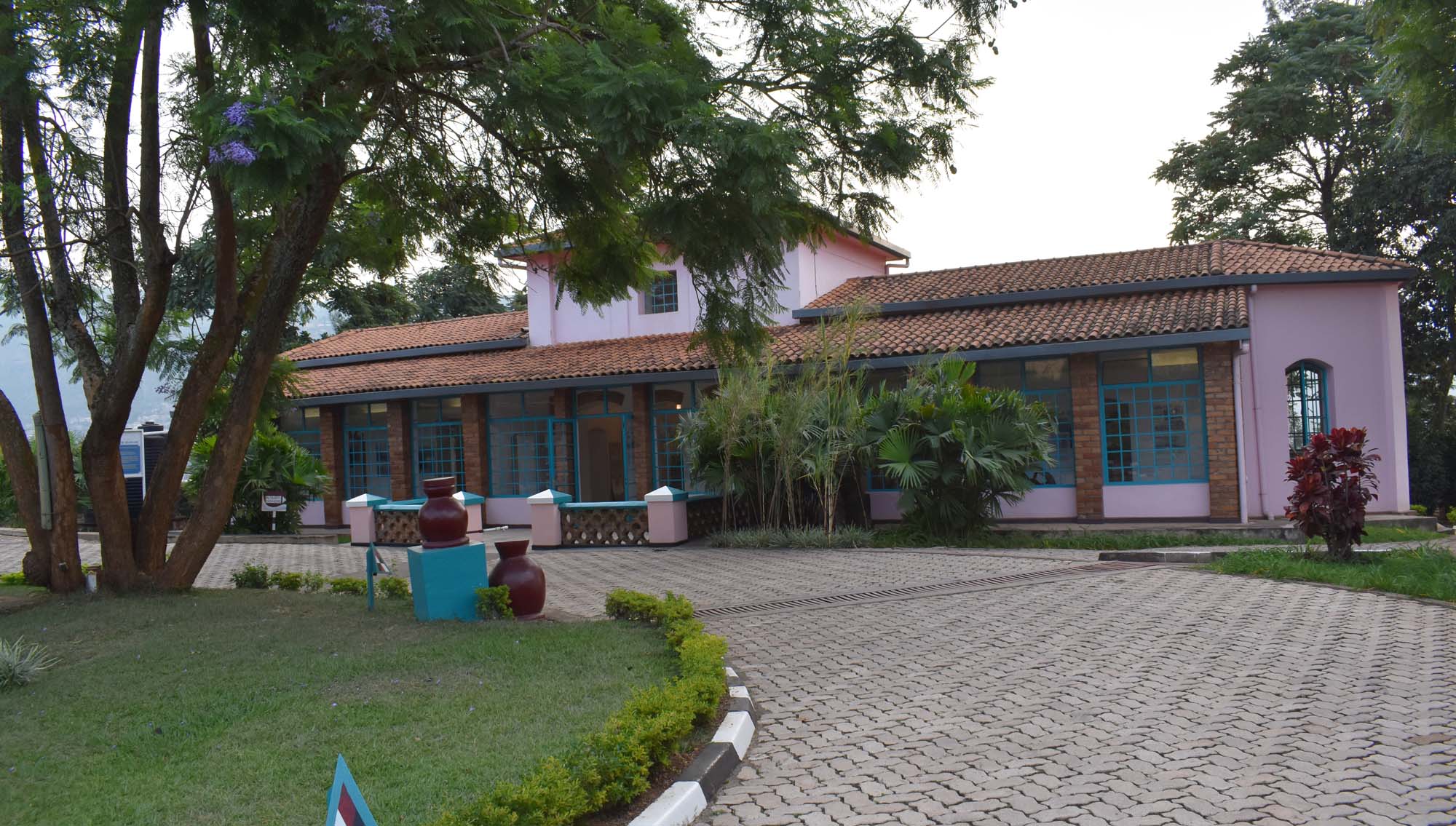
The museum is not full of artefacts, but does tell the story of the history of Rwanda going back a few hundred years and gives you a bit of a timeline of the country. Germany was the first to occupy Rwanda obviously around that time, but after the First World War Belgian ‘took possession’ of the country and controlled it until 1962.
Out the back of the house, which used to be some kind of reptile museum, is a shed which is full of some very scary and big snakes, in their own little ‘boxes’ I guess you could say. They should have be rehoused I think but it has happened as yet. It’s worth a look, but boy!
Camp Rwanda Belgian Peace Keepers Memorial
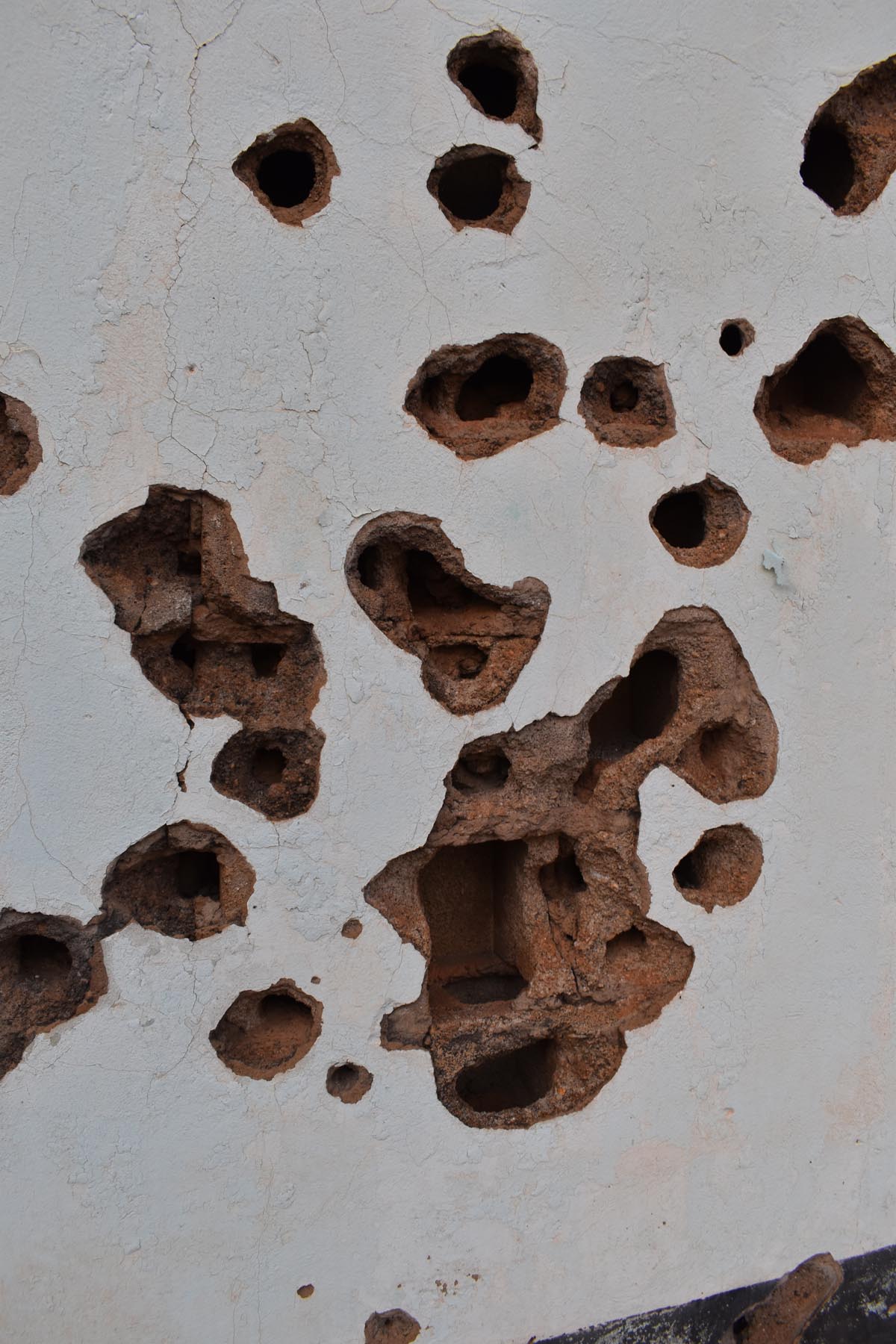
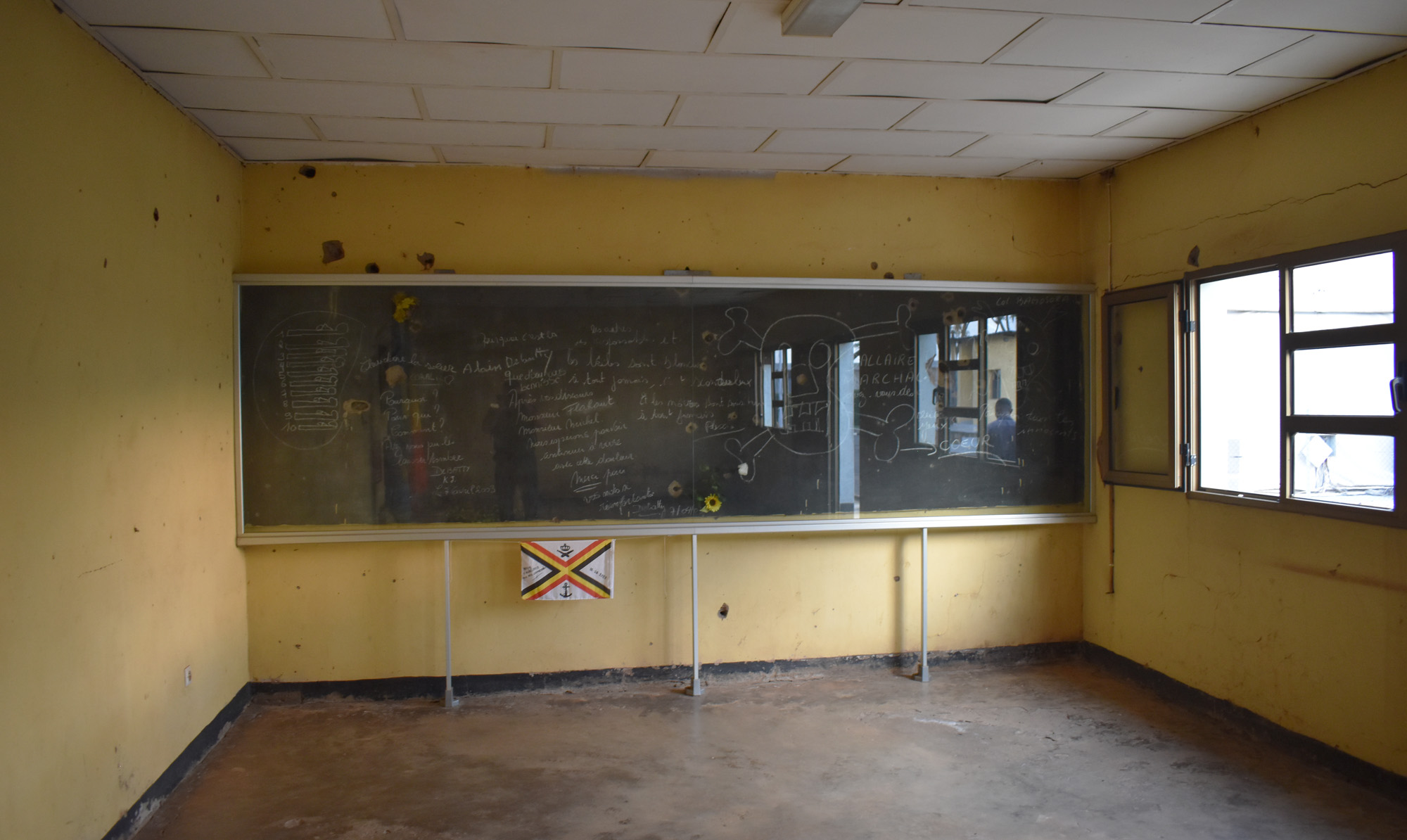
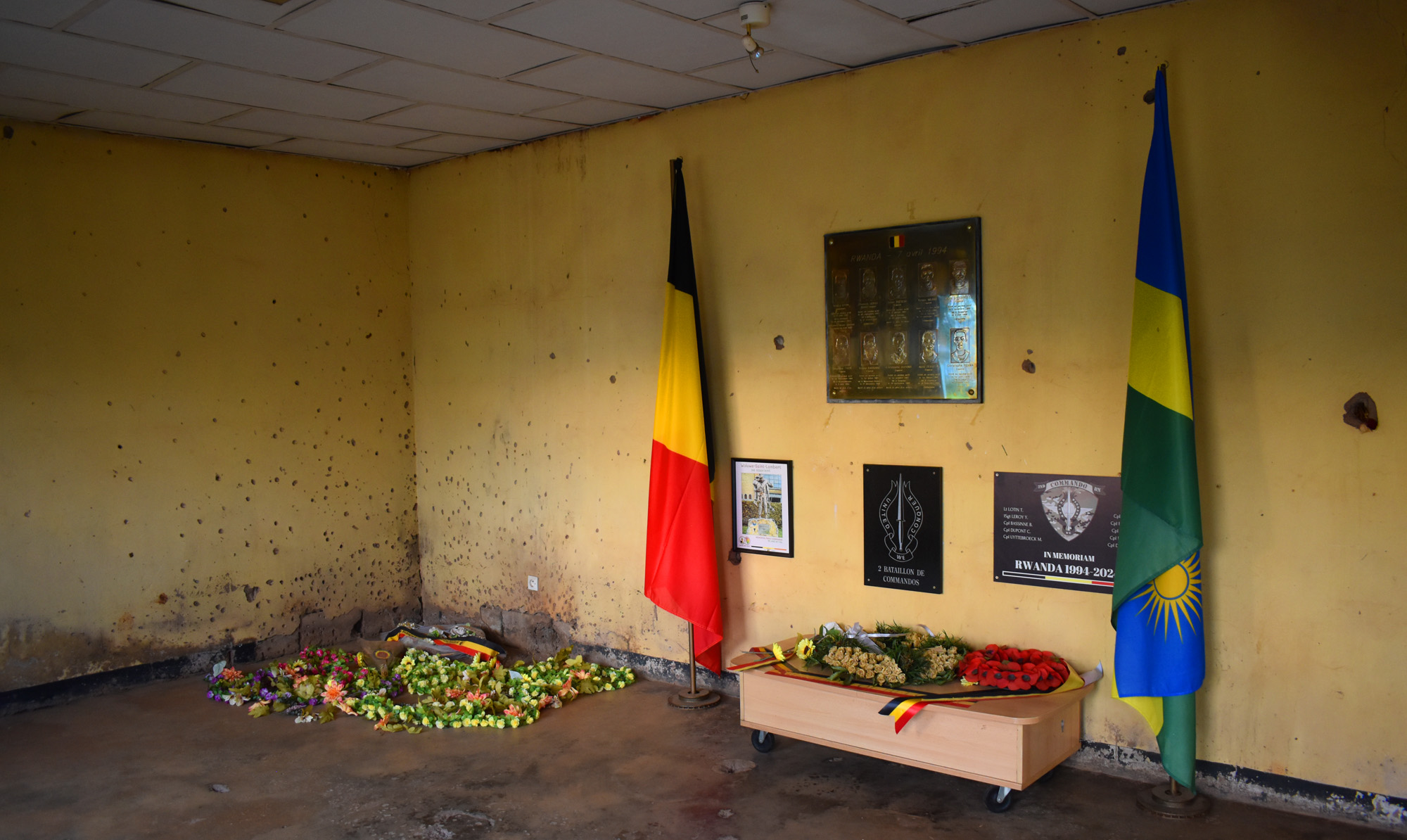
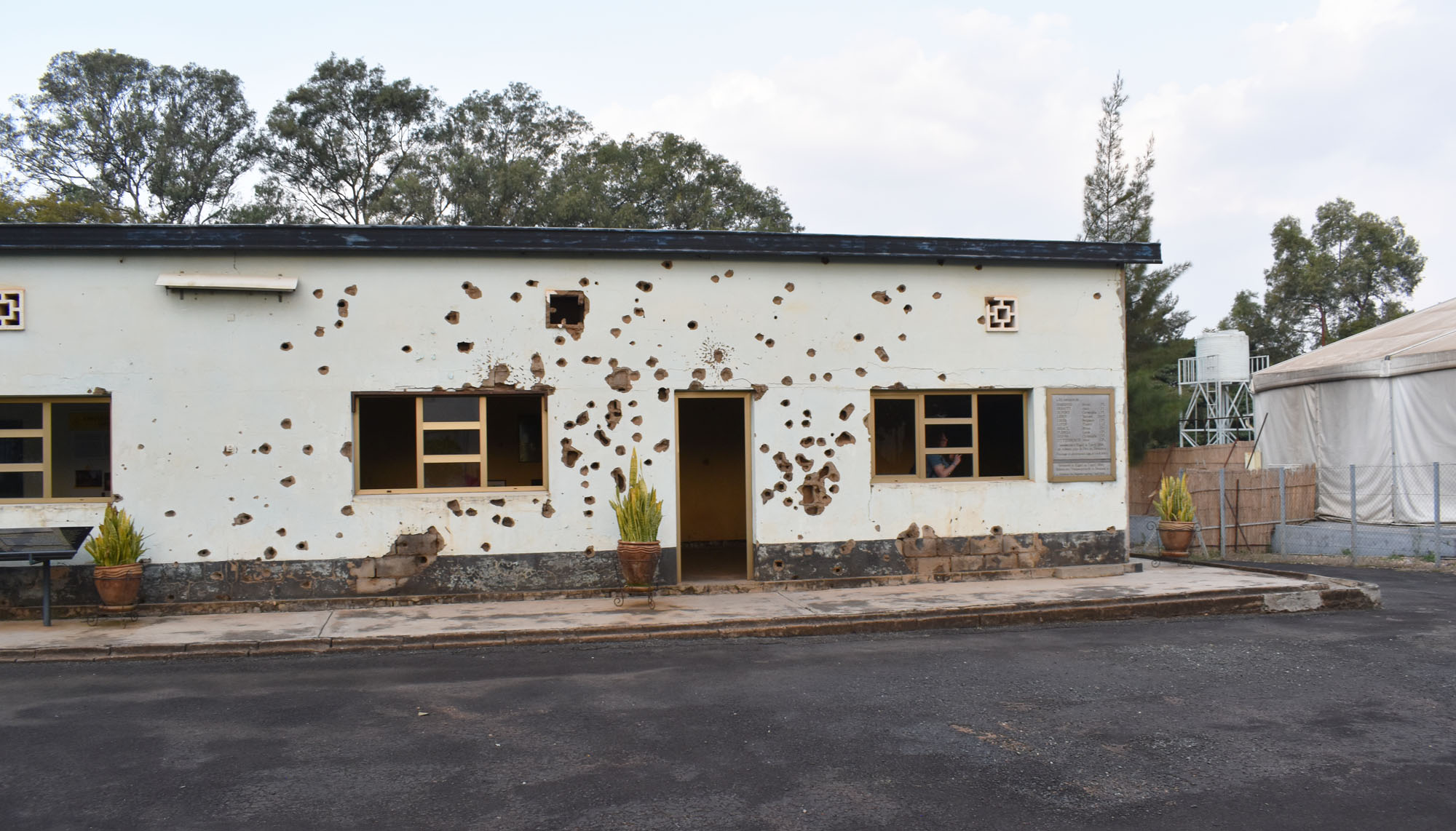
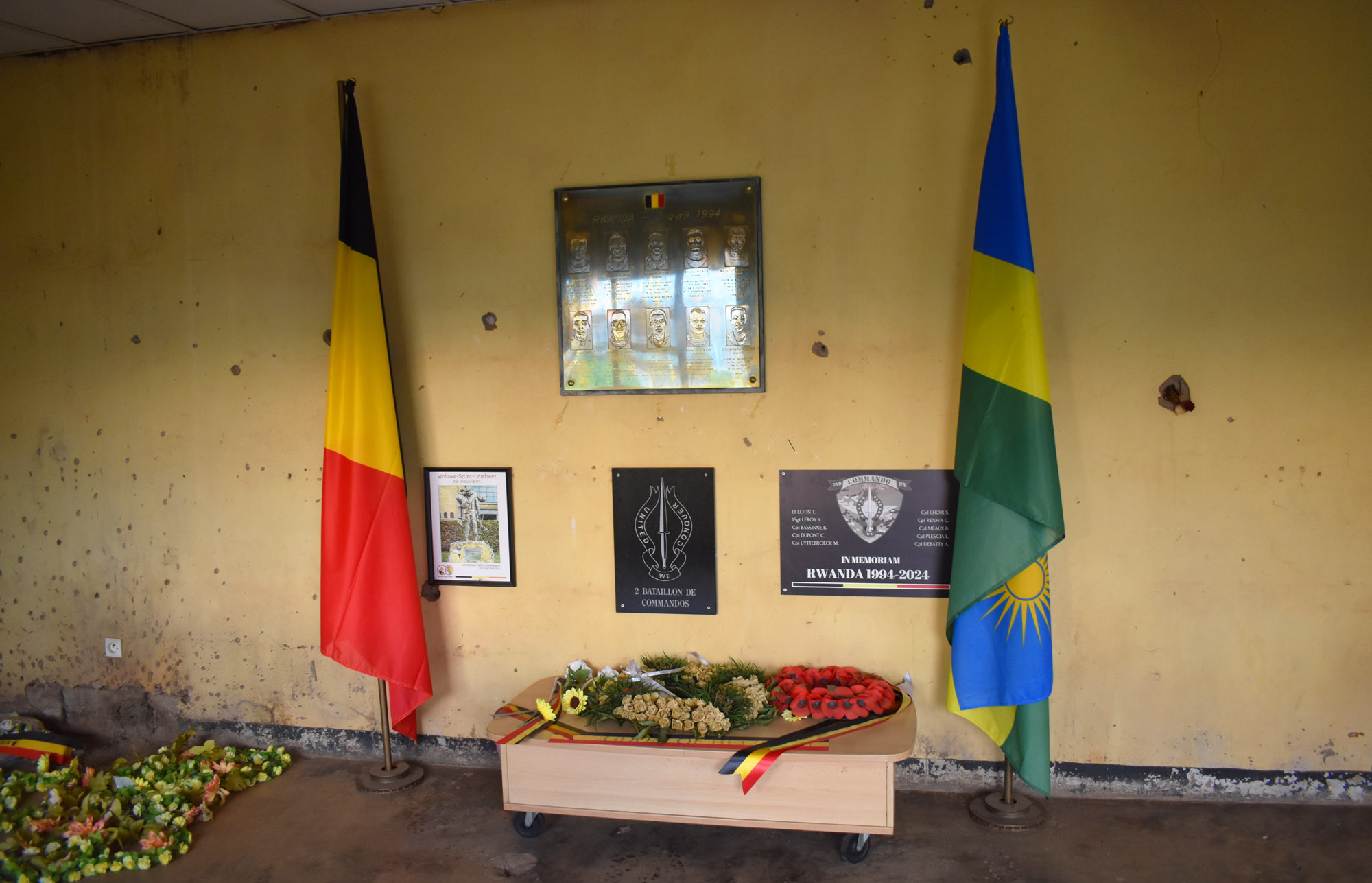
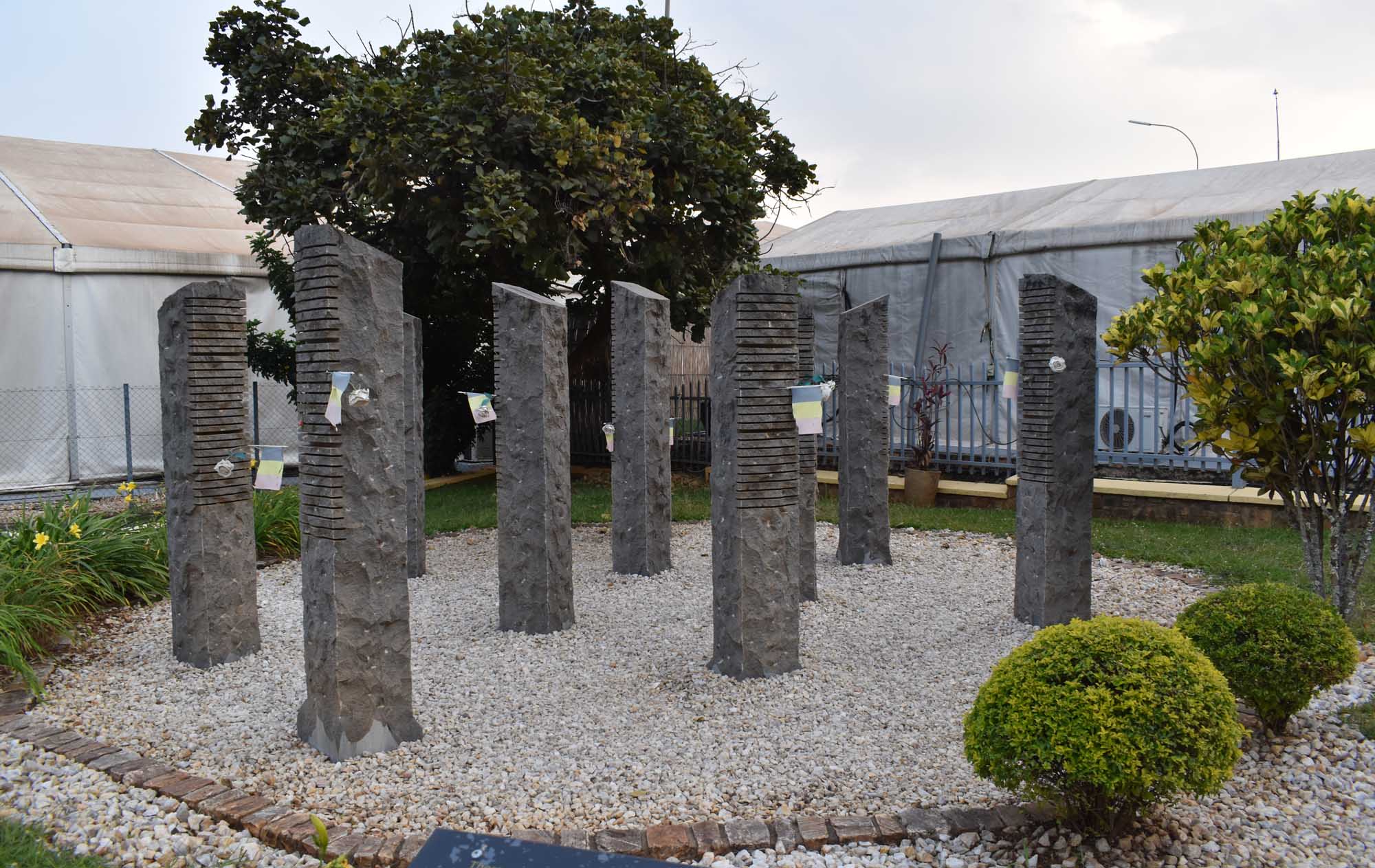
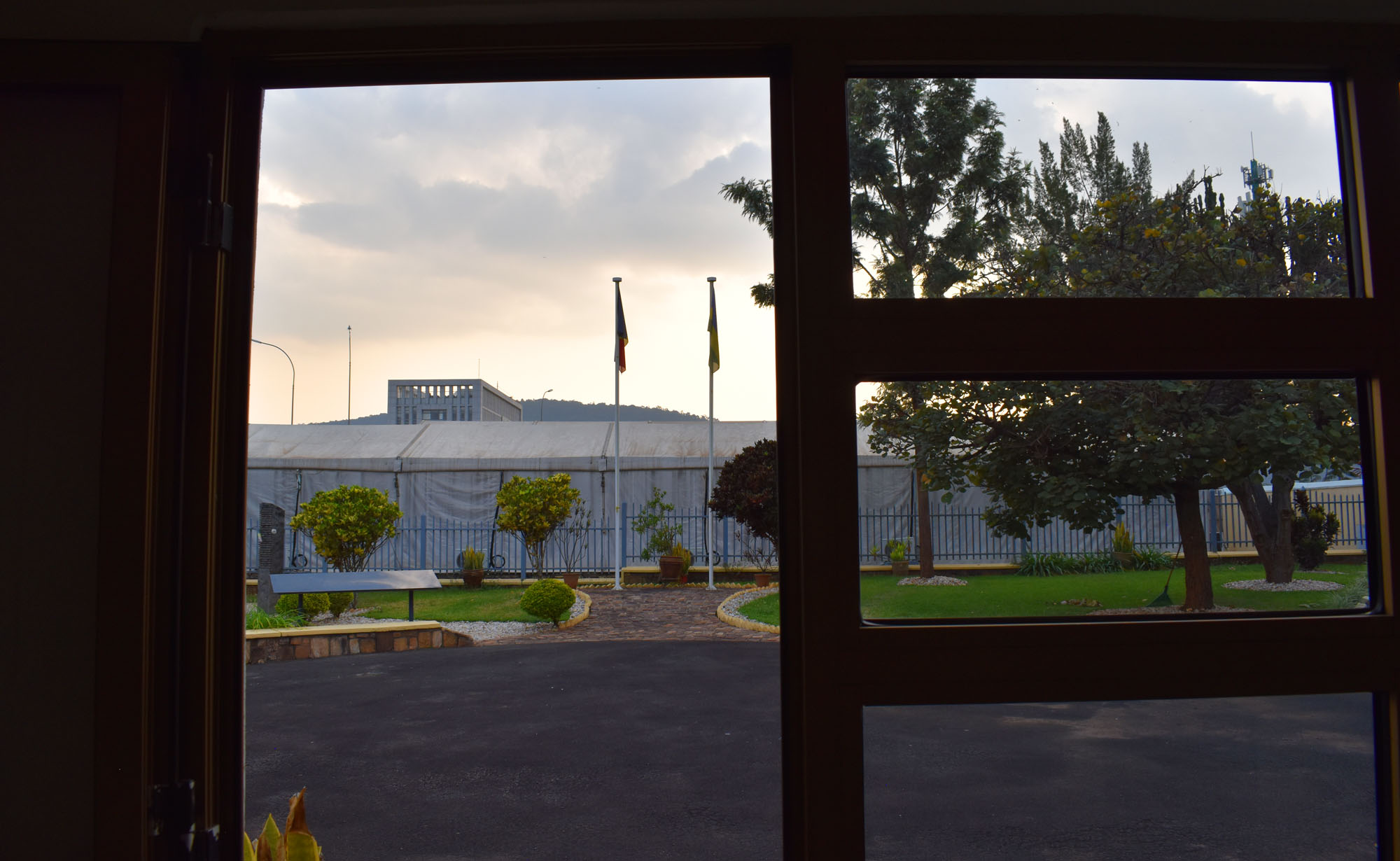
During the conflict in the 1990s when the Tutsi Gen/ocide was committed by the Hutus, there was an event early on in 1994 when ten Belgian Peacekeepers had the job of protecting the Prime Minister, Agathe Uwilingiyimana. The Peace Keepers (not the Prime Minister) were hauled up in this building known as ‘Camp Rwanda’ and came under insurmountable fire. Eventually they succumbed and this in part led to the withdrawal of Belgian/UN peacekeeping troops. A decision that had horrific consequences for the country and the Tutsis. Here you can see the building preserved with bullet holes and see the memorial of ten stone pillars representing the ten peace keepers which died that day in that building.
Inema Arts Centre
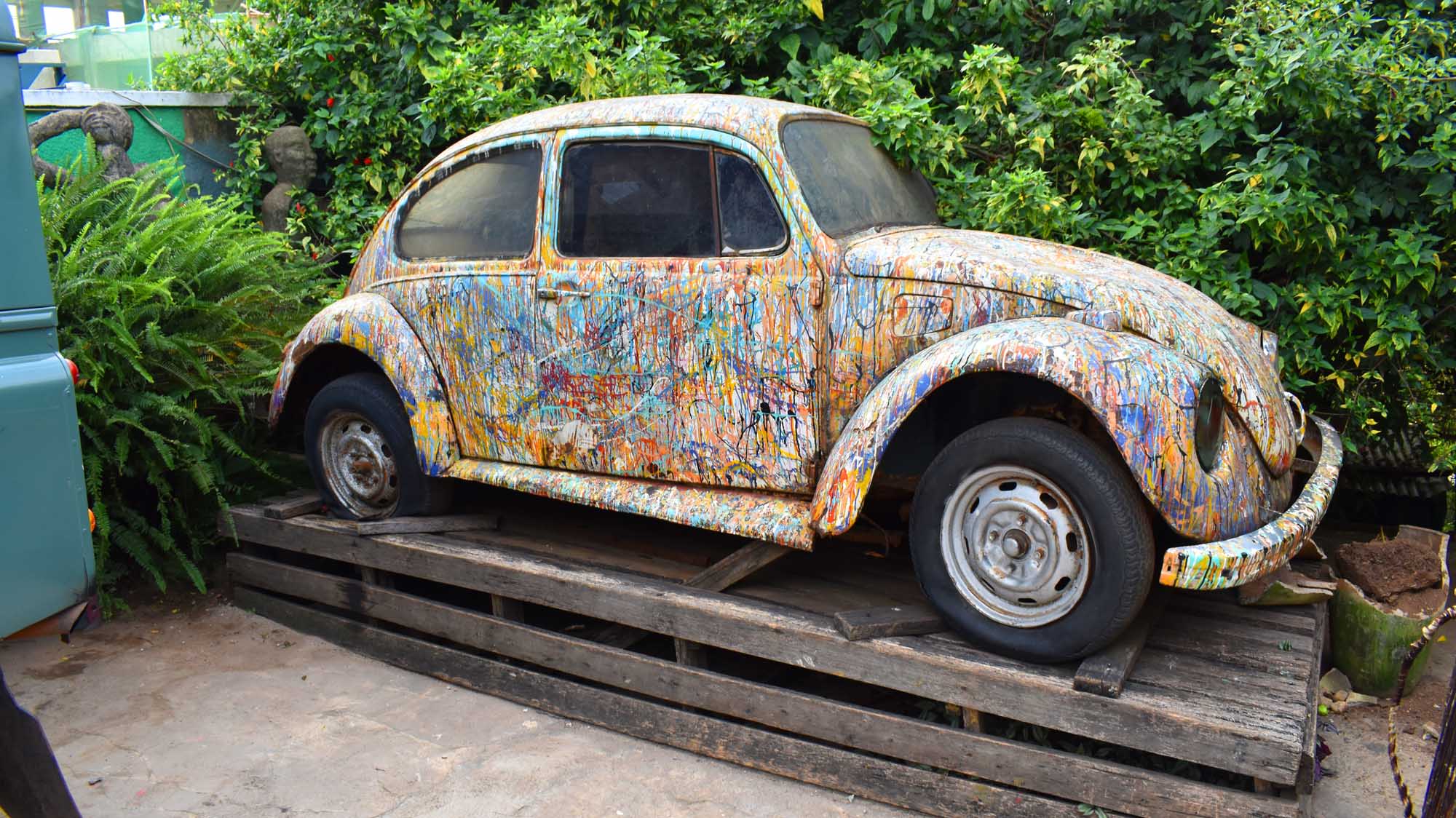
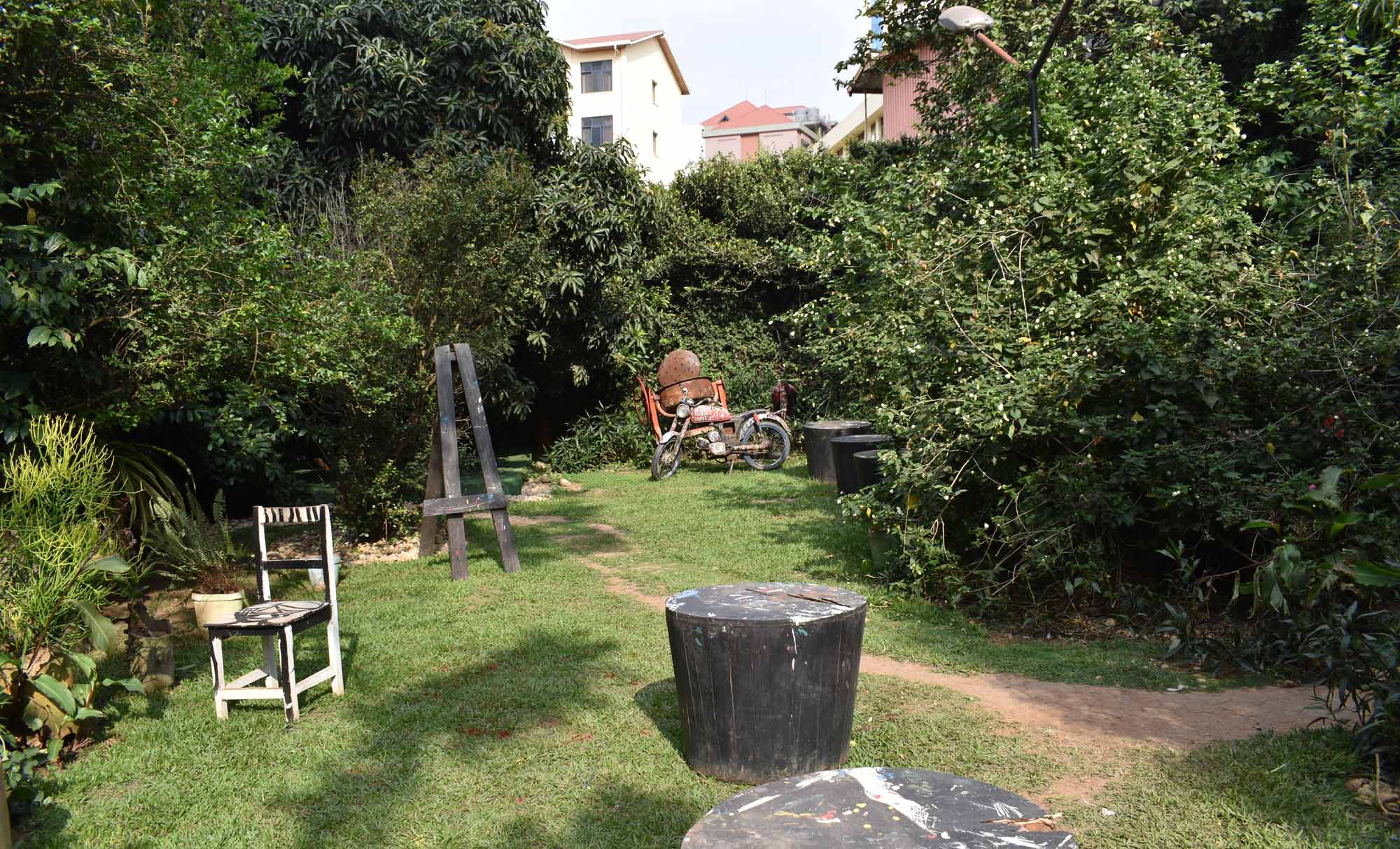
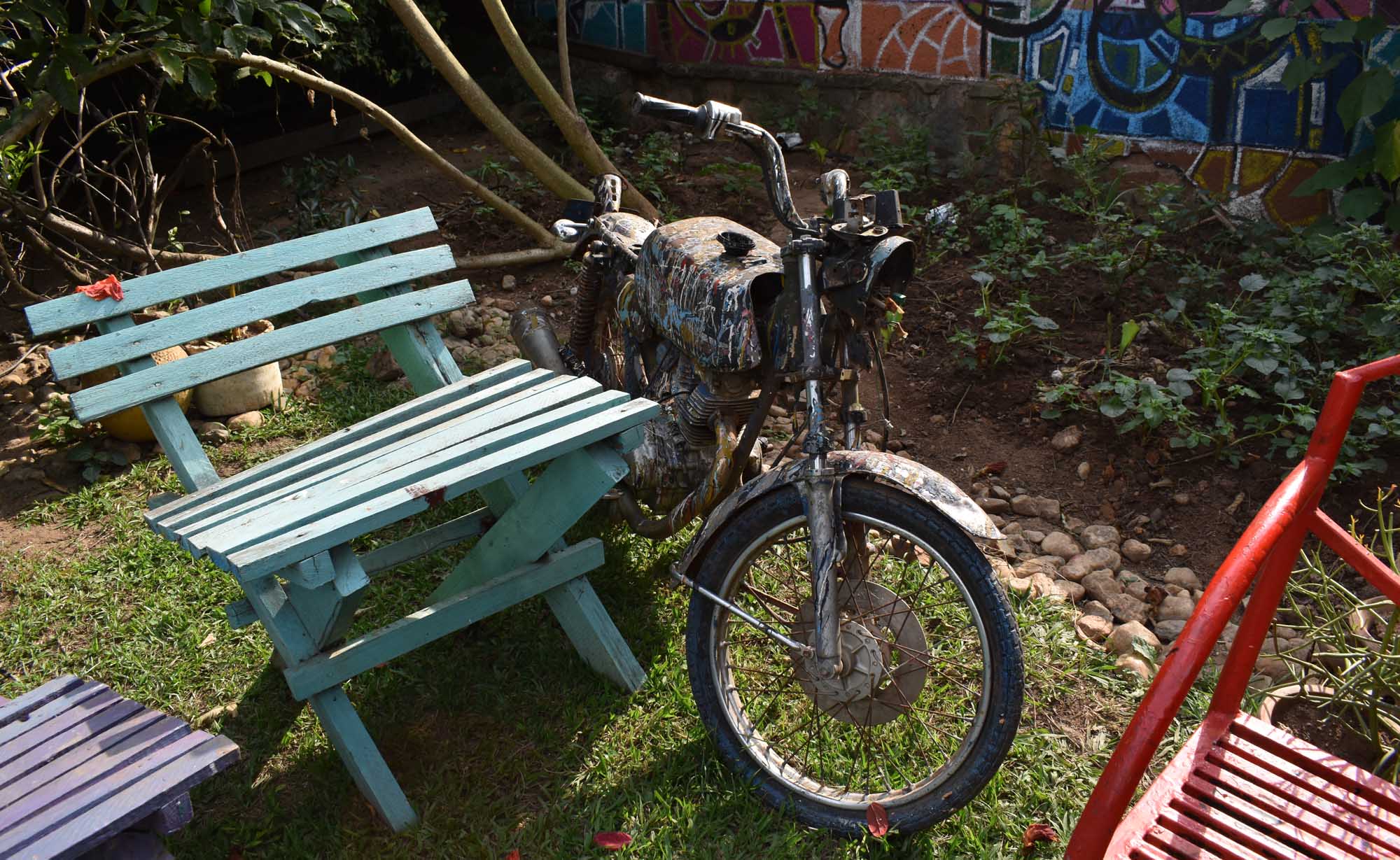
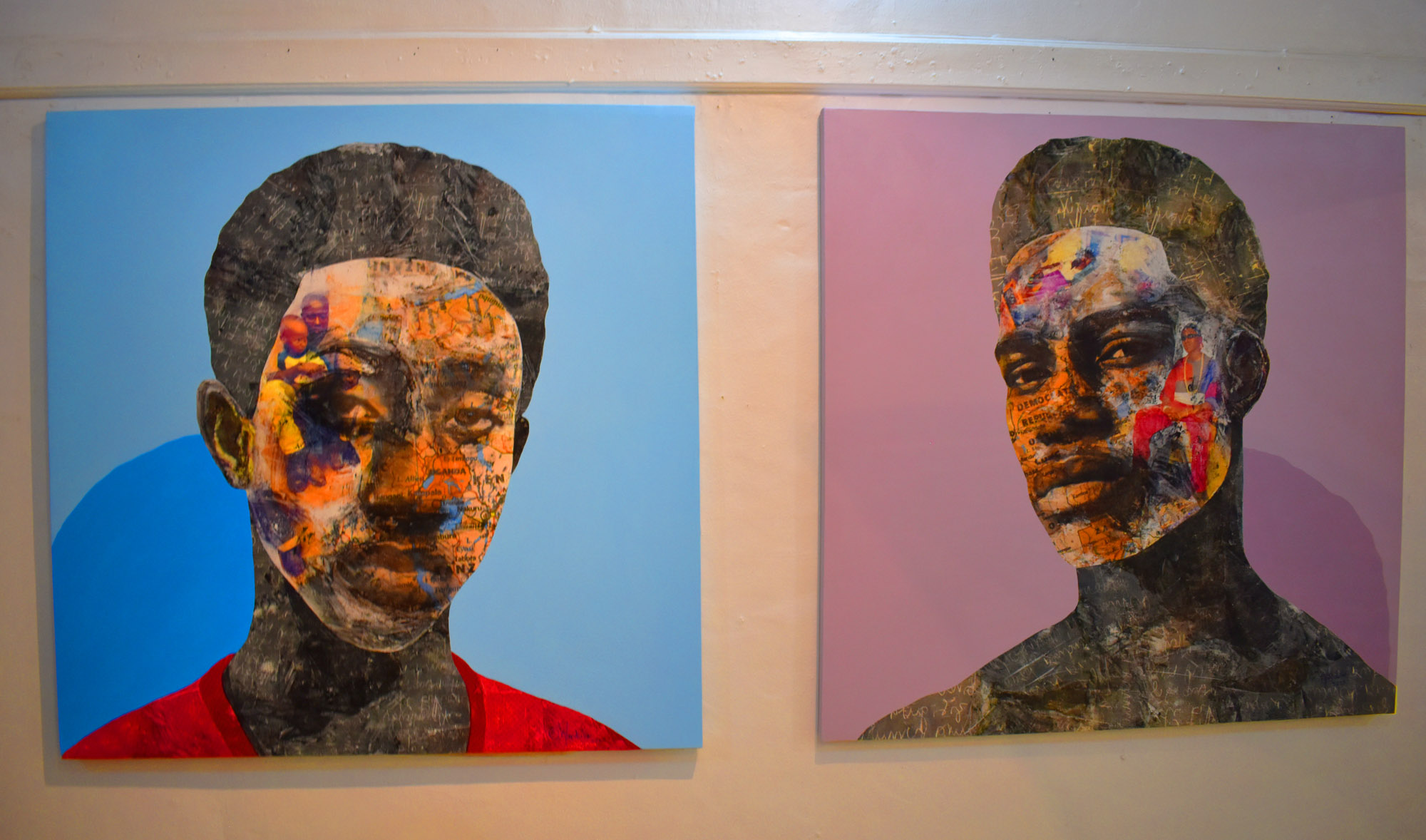
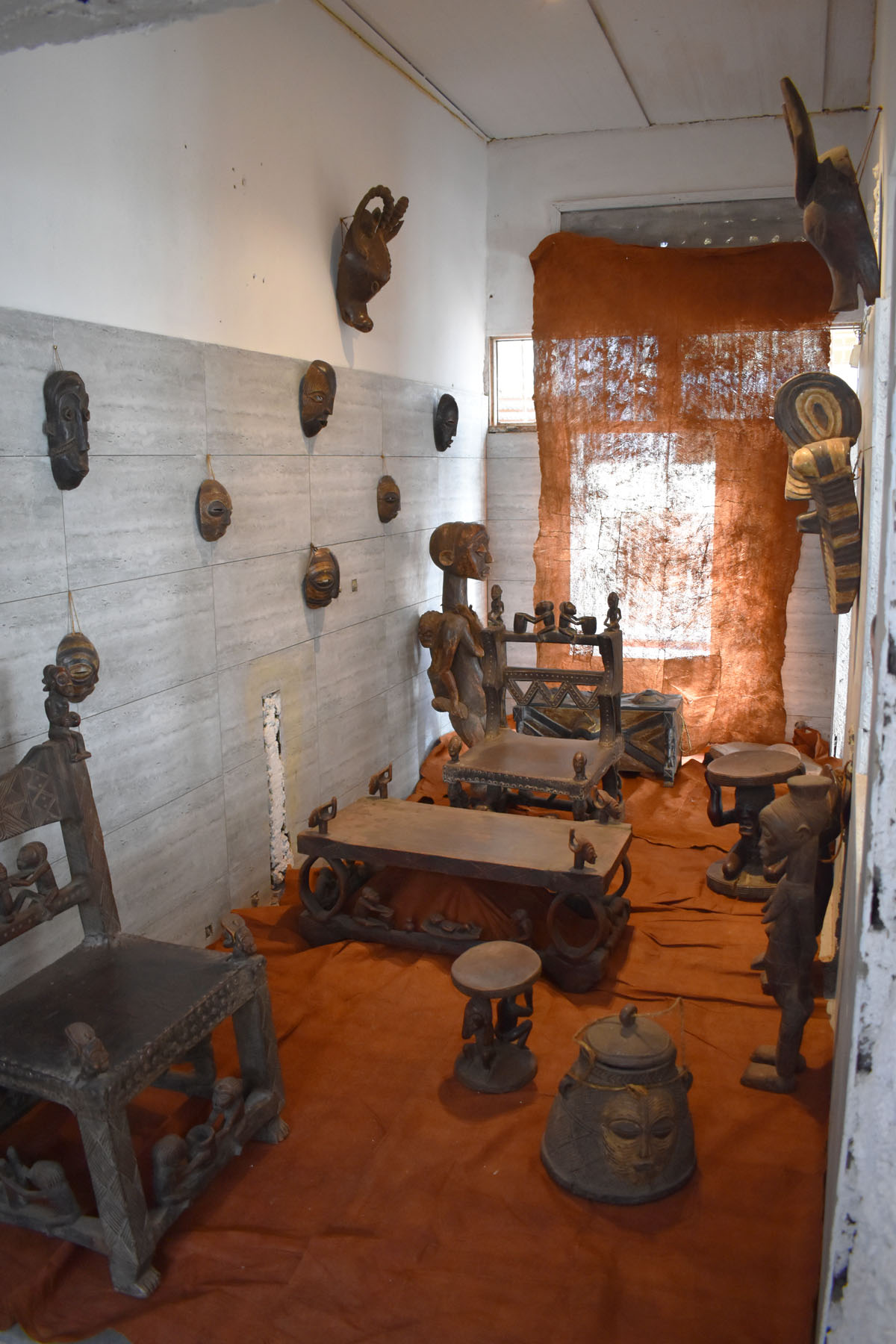
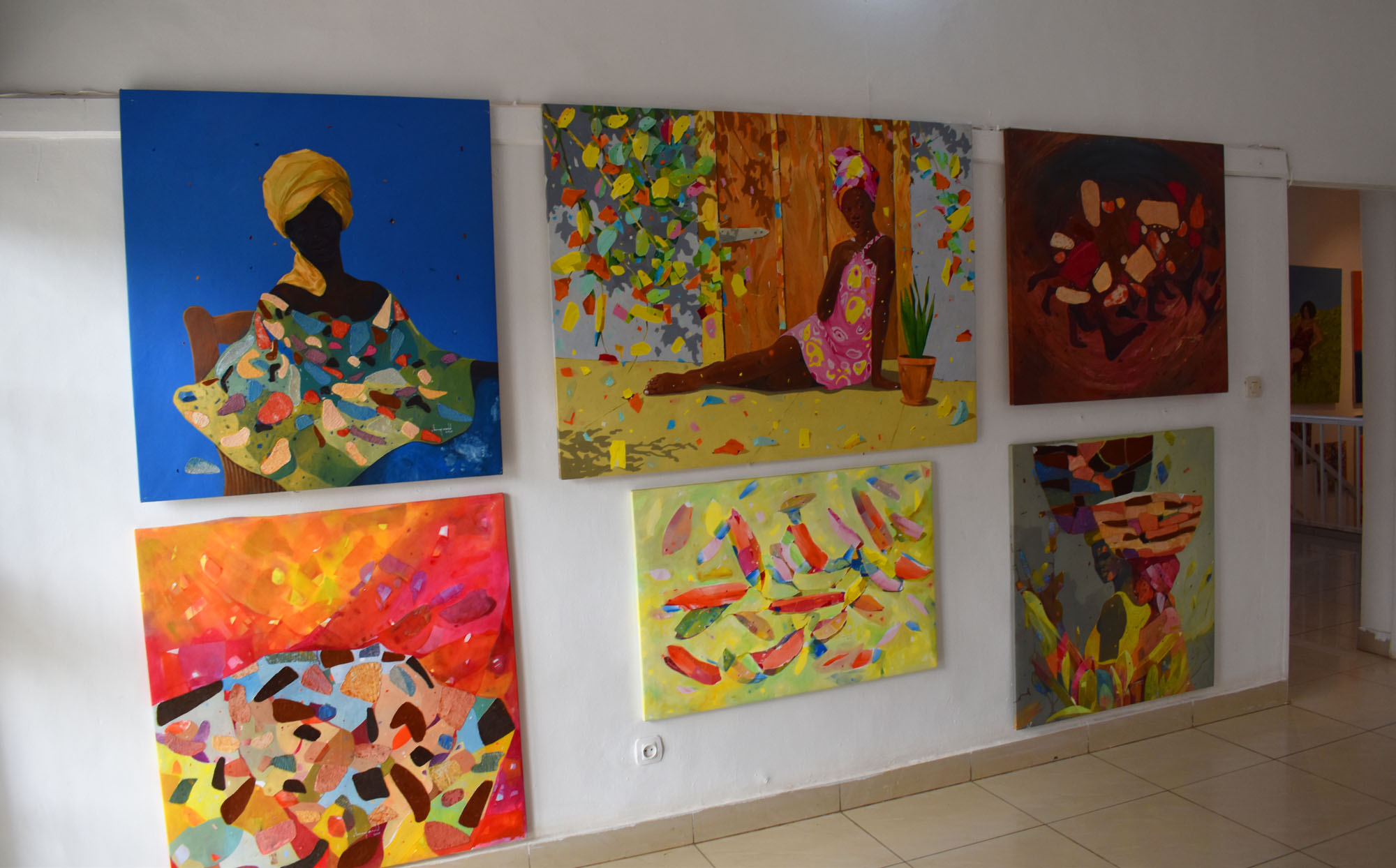
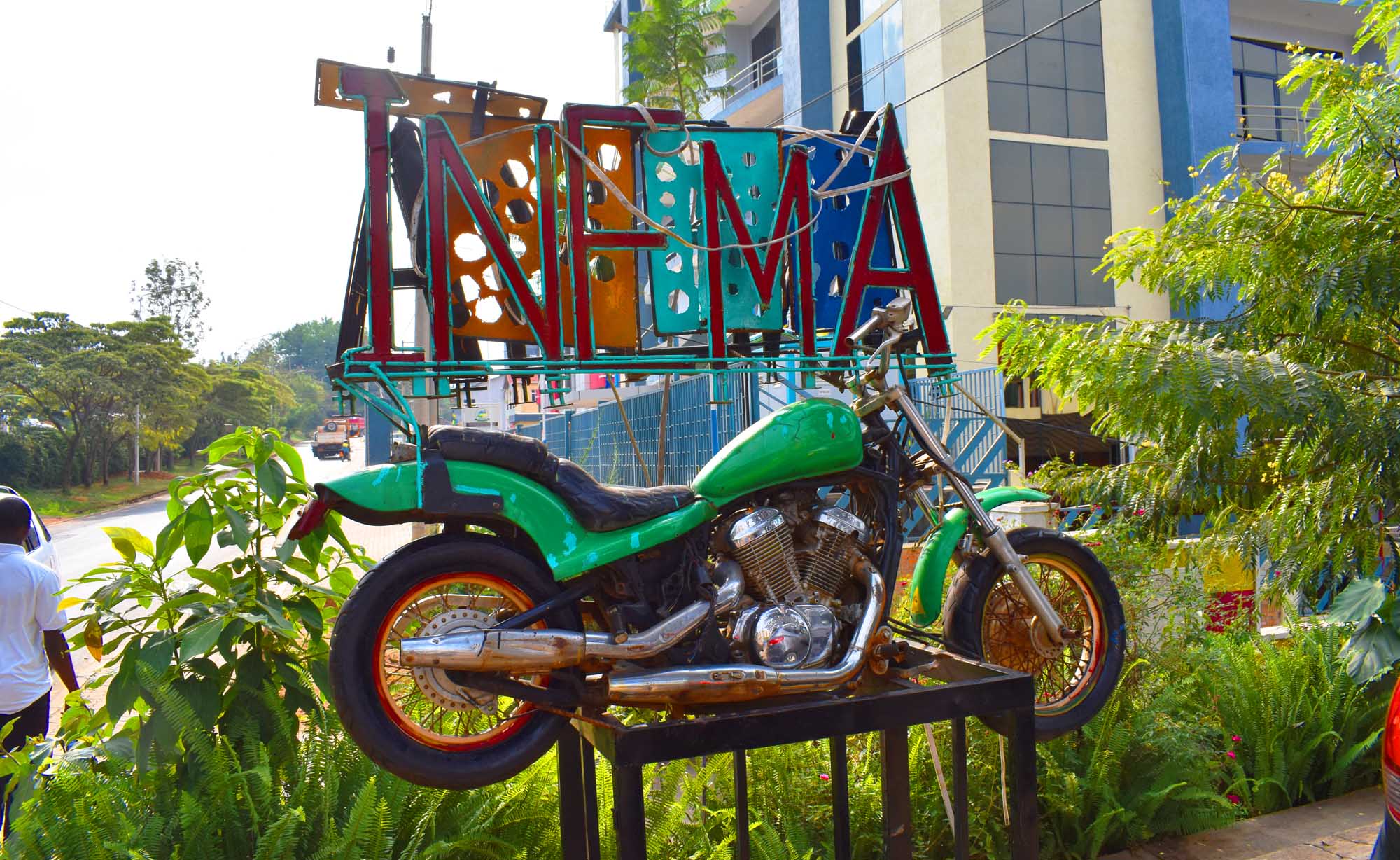
Something more positive to check out, the Inema Arts Centre is down a quiet street and the garden in decorated with old motorbikes and Volkswagen Beetles. Inside are a couple of floors of African art, beautiful and colourful for the most part, run by a couple of brothers, I got to chat with one for a while. The art is for sale, entrance was … well I can’t find my record but around $10USD I think. Definitely worth checking out filled with art and chilled vibes.
Nyandungu Eco-Park
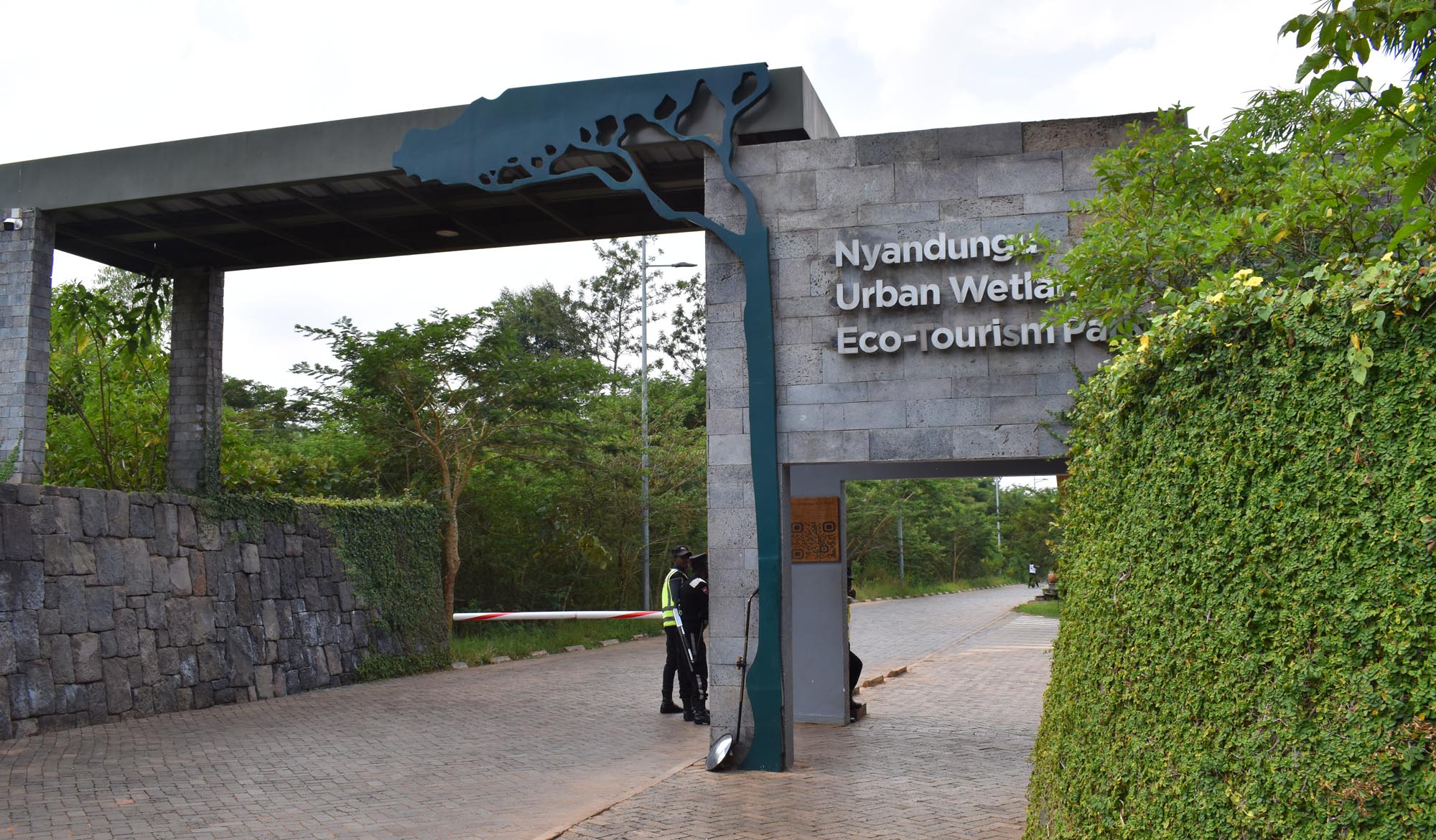
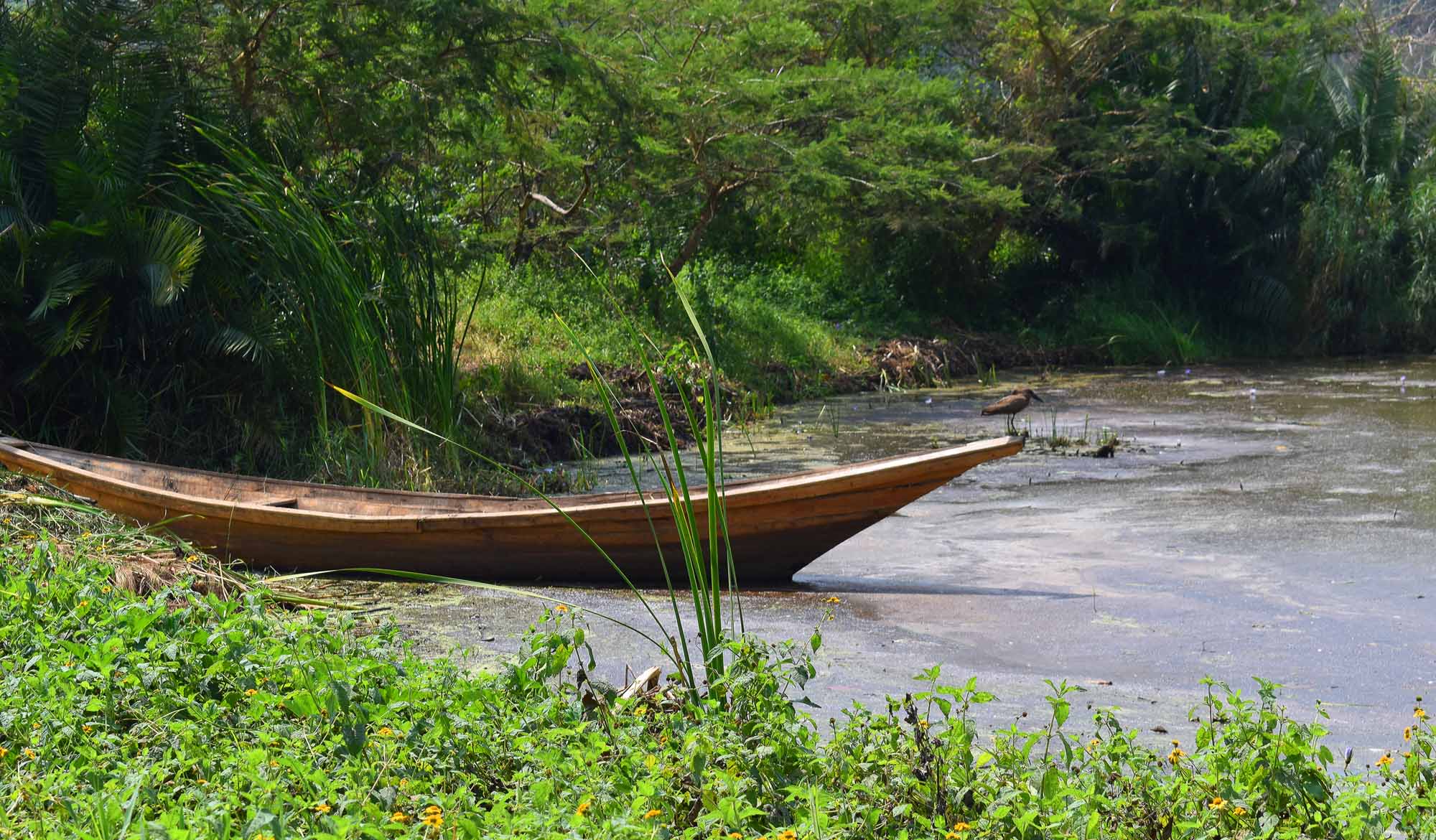
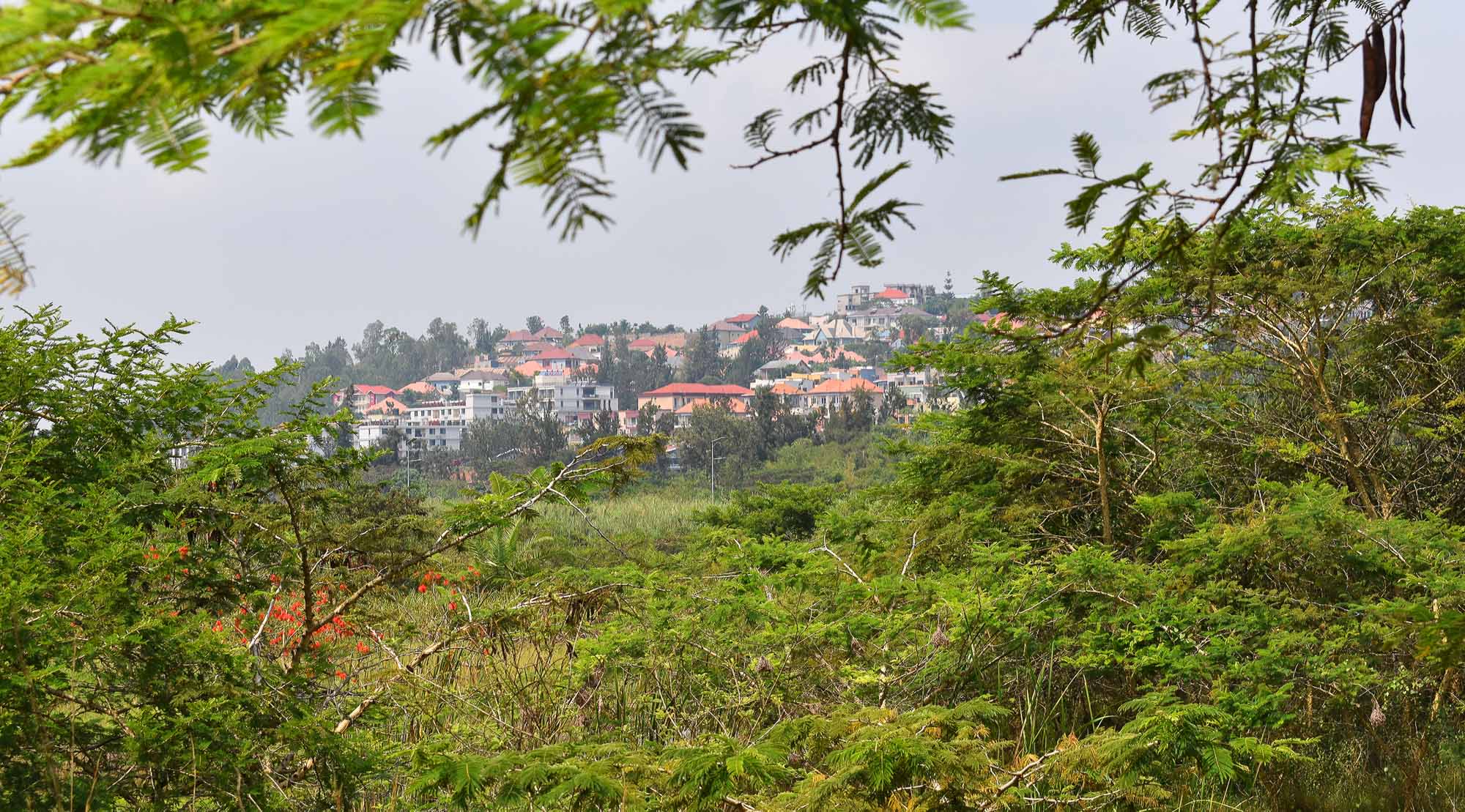
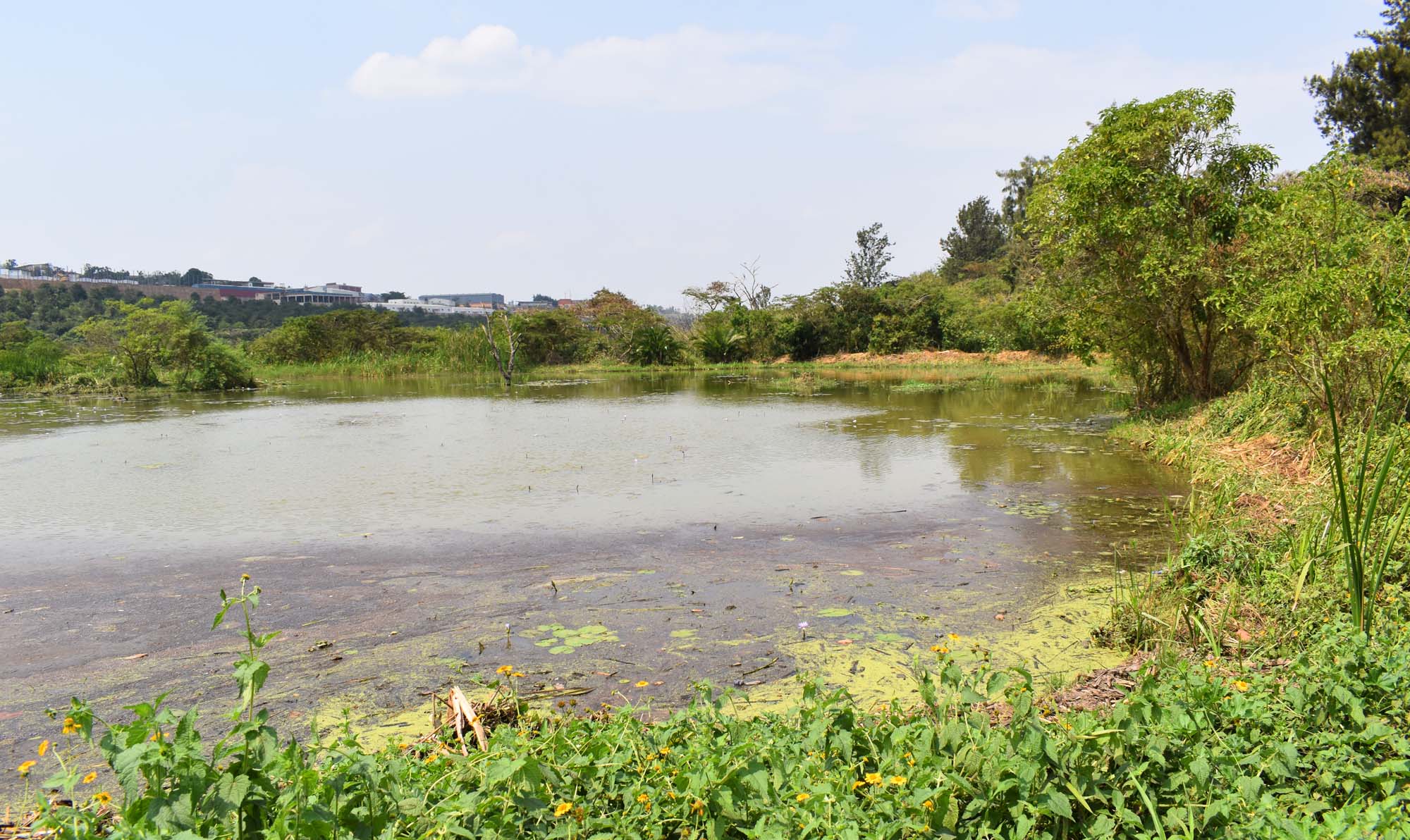
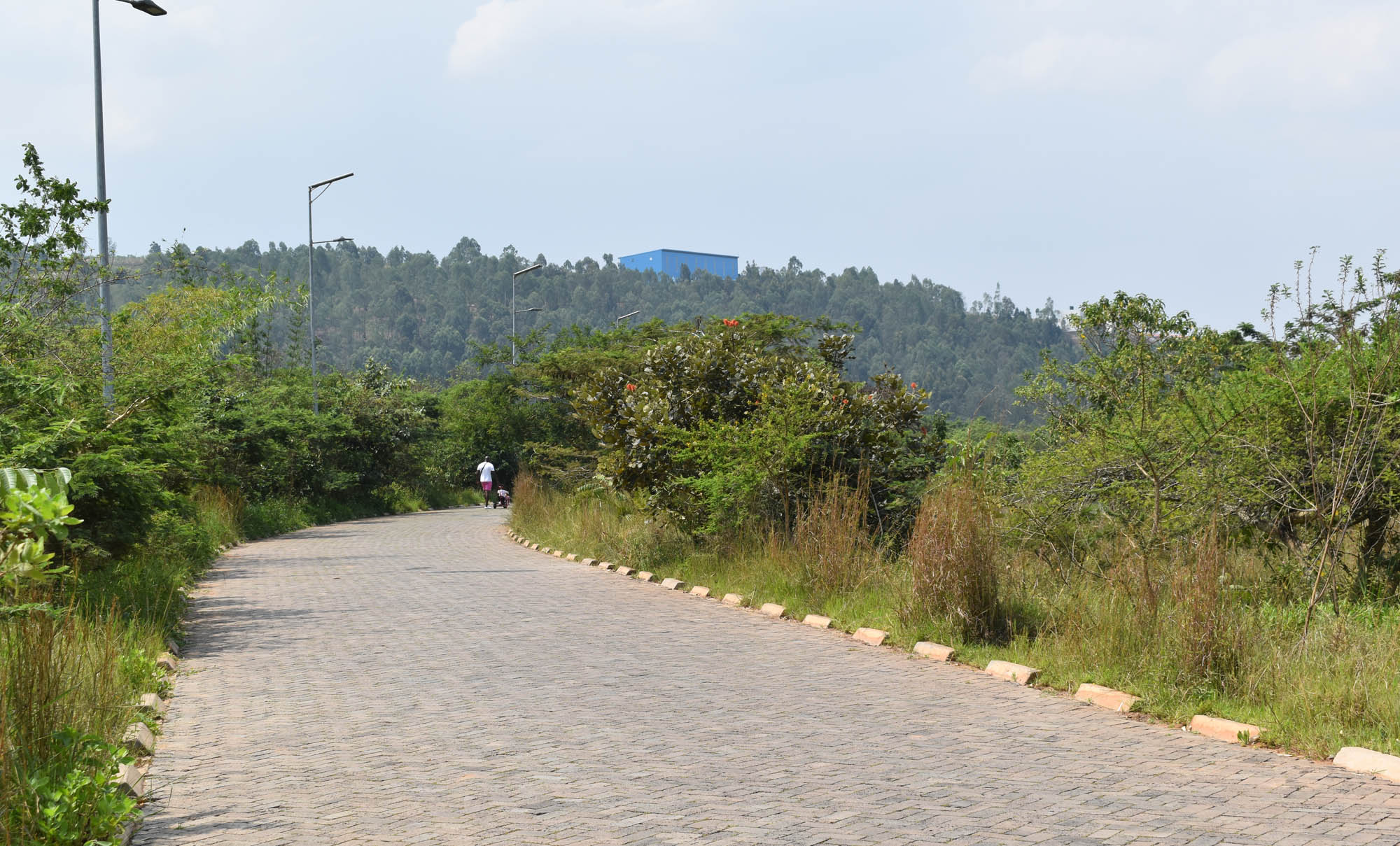
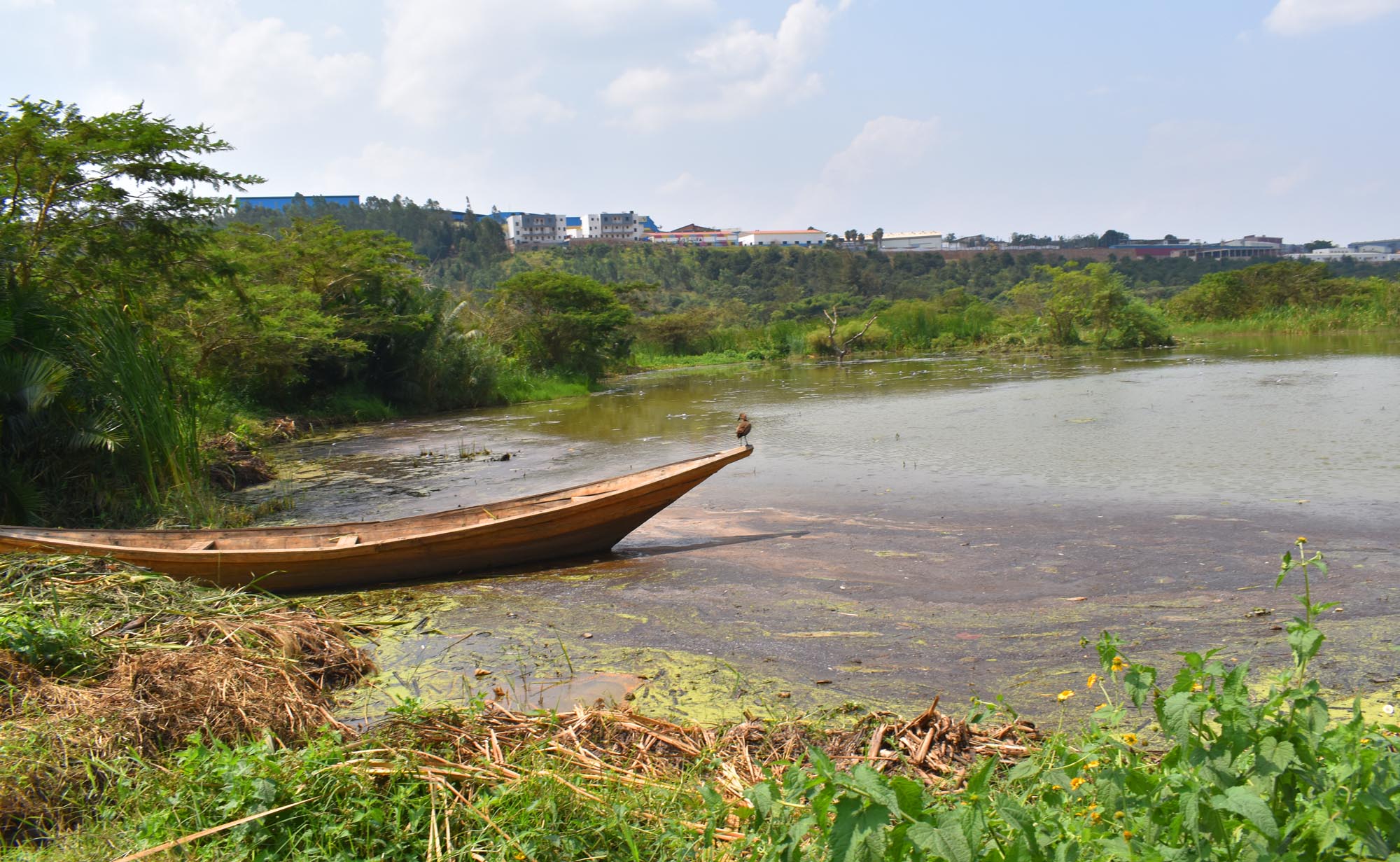
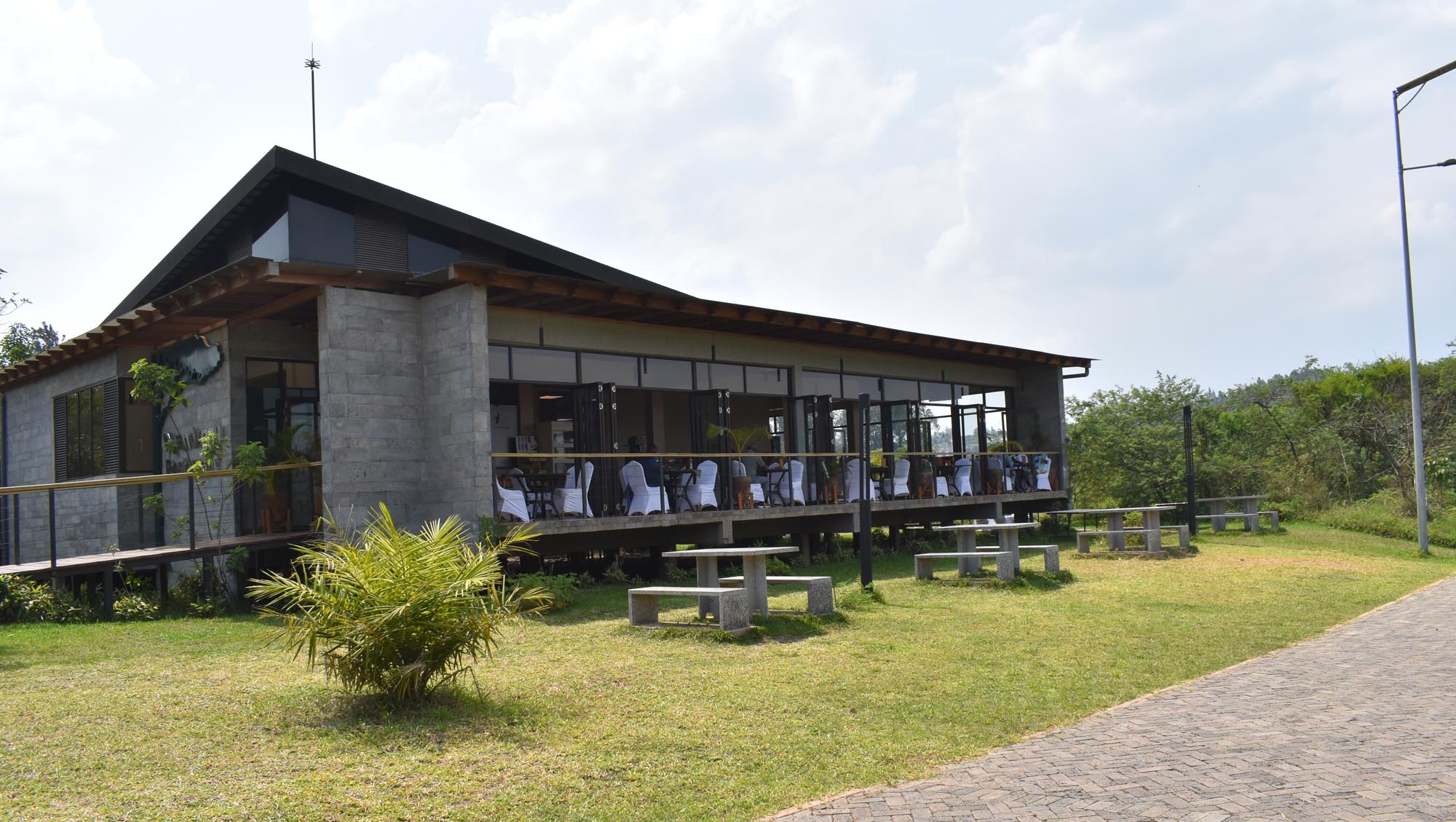
This Eco-Park is a pleasant place to head for a couple of hours and do a little walking. It’s got plenty of paths and greenery, lakes and a café/restaurant as well as guides – I met a young person becoming a guide who wanted to practice her English which was nice. A few birds and animals, but I hardly saw any. Just nice to get away from the centre of town and experience some nature!
Campaign Against Genocide Museum
This museum is inside the parliament – it was the parliament in the 1990s and I believe still is today. This museum gives a clearer timeline of the events leading up to the Genocide of the Tutsis and from the various museums I visited I could see the foundations being set for conflict far back in the early days of Belgian rule where numerous tribes in the country were divided into just two main ethnic groups – the Hutus and the Tutsis, who were the minority overall but also considered by Belgian anthropologists as I guess, the ‘superior’ ethnic group.
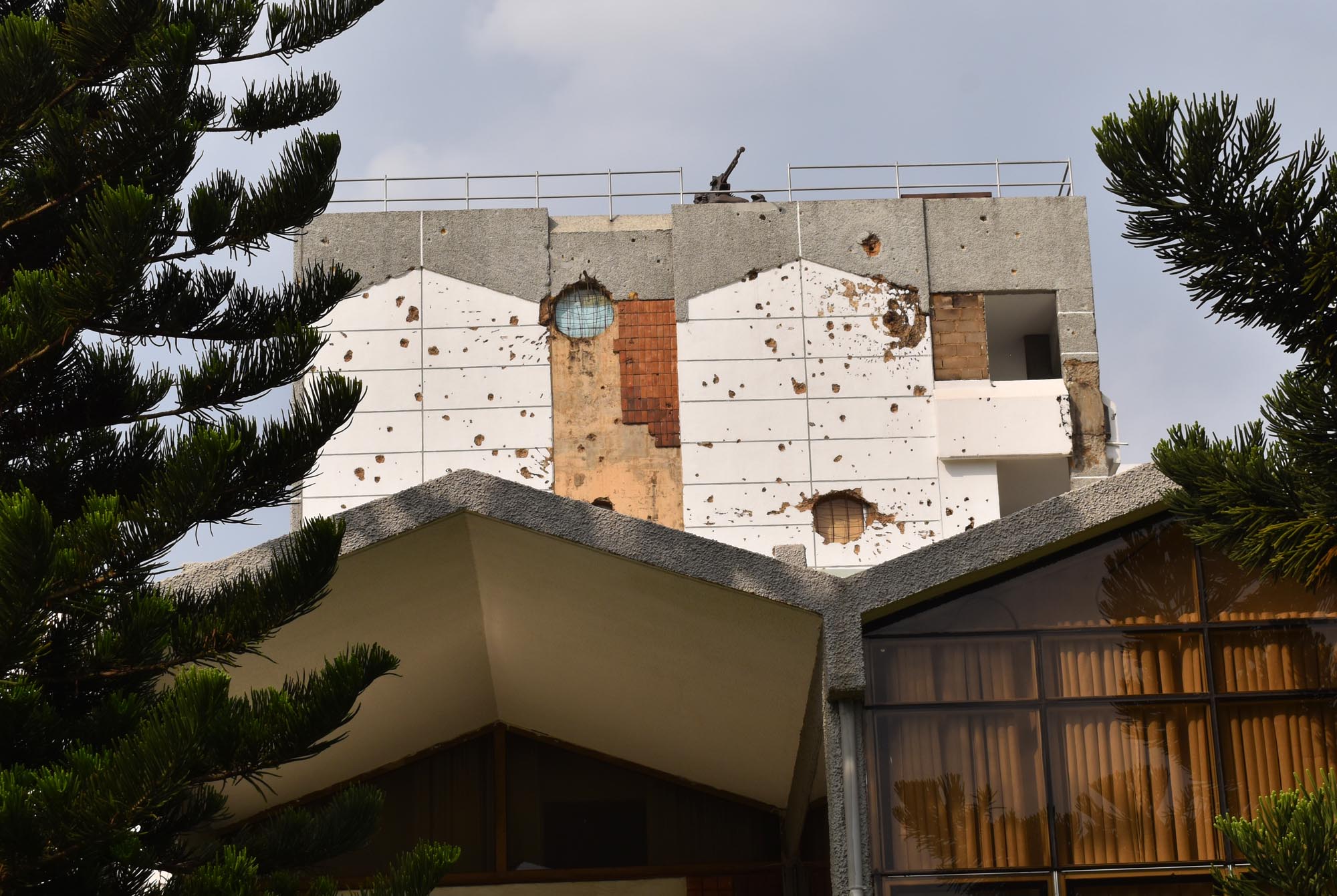
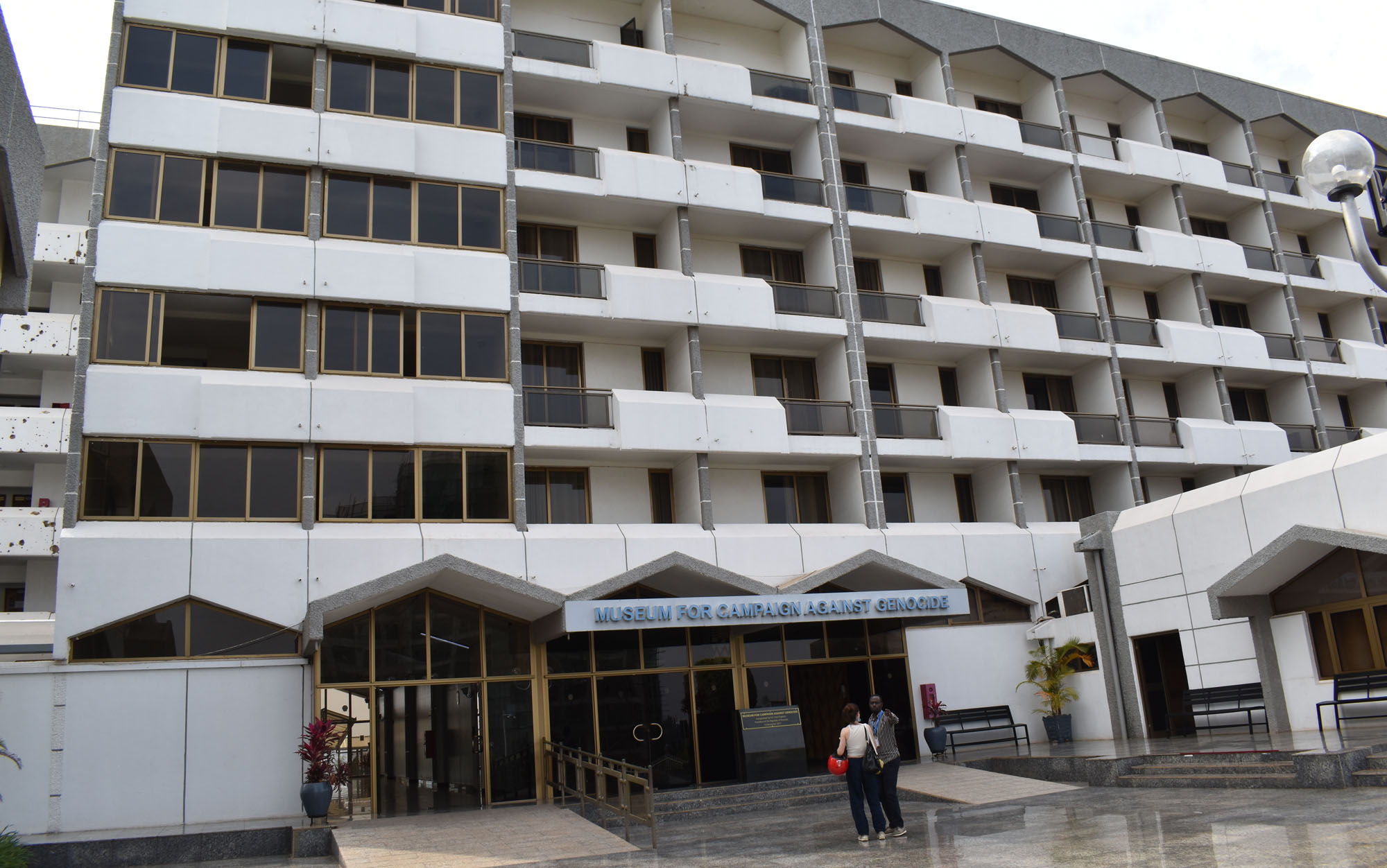
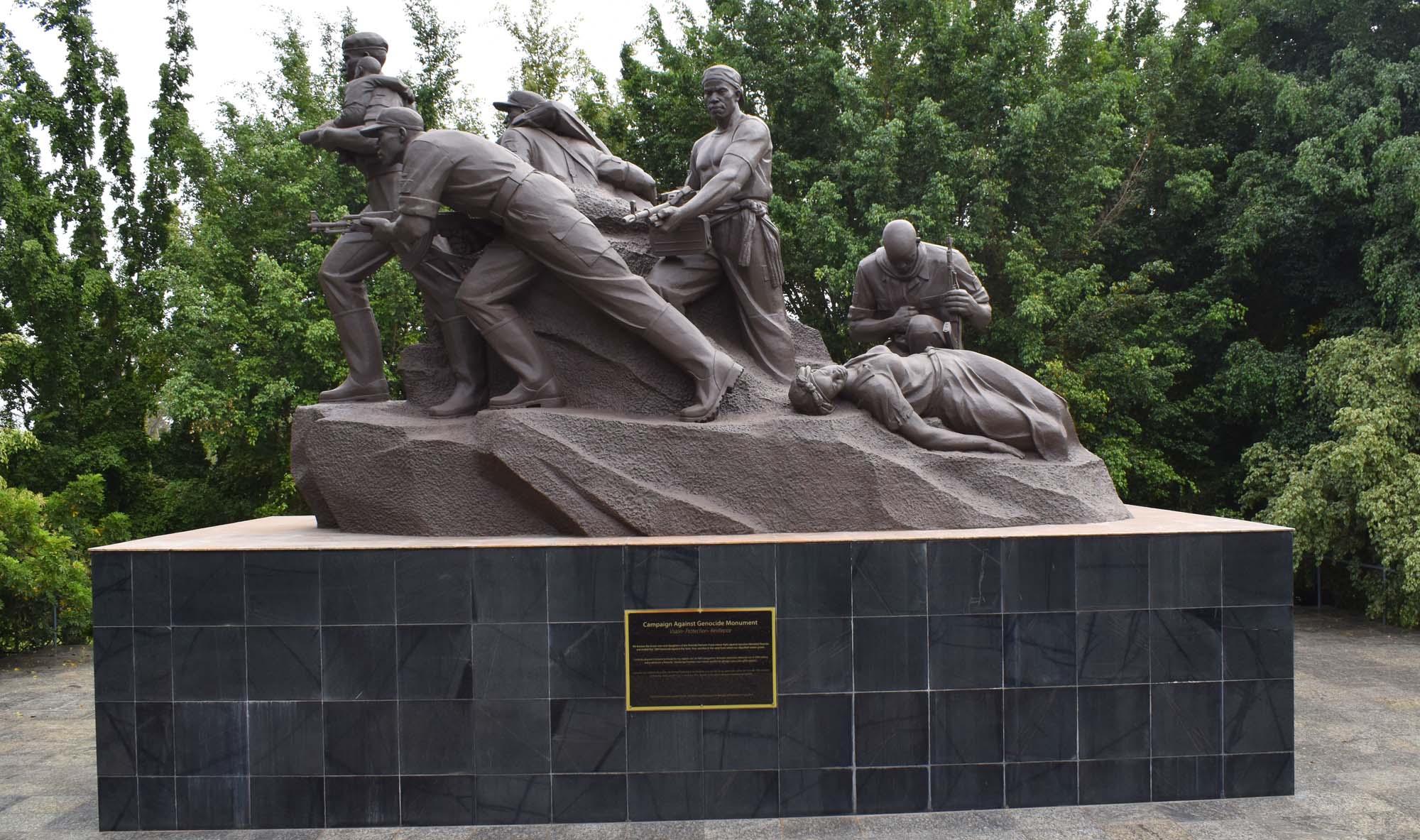
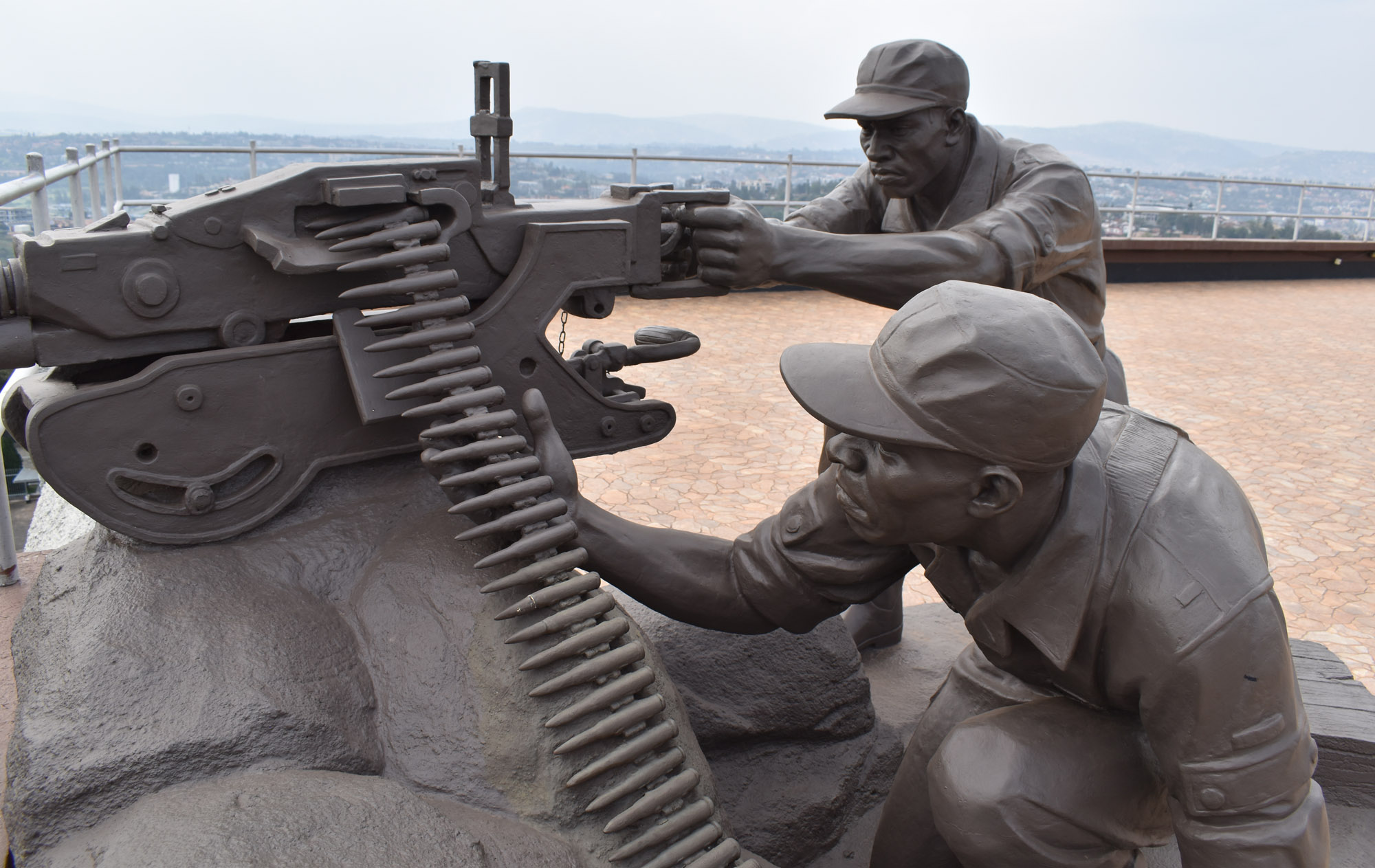
You get a sense of important events – people were hauled up in the parliament building too which is a lot bigger and held out a lot longer than the ten peacekeepers did, of course I am talking about primarily Tutsis here, not any foreign peacekeepers. You get to see the roof which reveals parts of the building which still show the scars and bullet holes from the conflict, along with some great views of the Kigali Hills. There are a couple of monuments too, one outside the building and another on the roof.
Kimironko Market
Kimironko Market was recommended online so I thought I would check it out. It had some interesting stuff to buy, especially as a tourist but also it was the one place in Kigali I felt any level of hassle, one guy leading me through the market, and another guy when I said I wanted water trying to take me to a store to buy water for a tip, even though it was clear already that this store had water. It therefore was a little tricky to navigate, and I also got ripped off for a handful of bananas, but I was able to film without anyone telling me not too so I appreciated to some point the guy guiding me around the market. The second guy was quite hard to shake though and felt a little aggressive. Still, a colourful and varied, vibrant market. I was the only foreigner there at the time.
Hotel Des Milles Collines
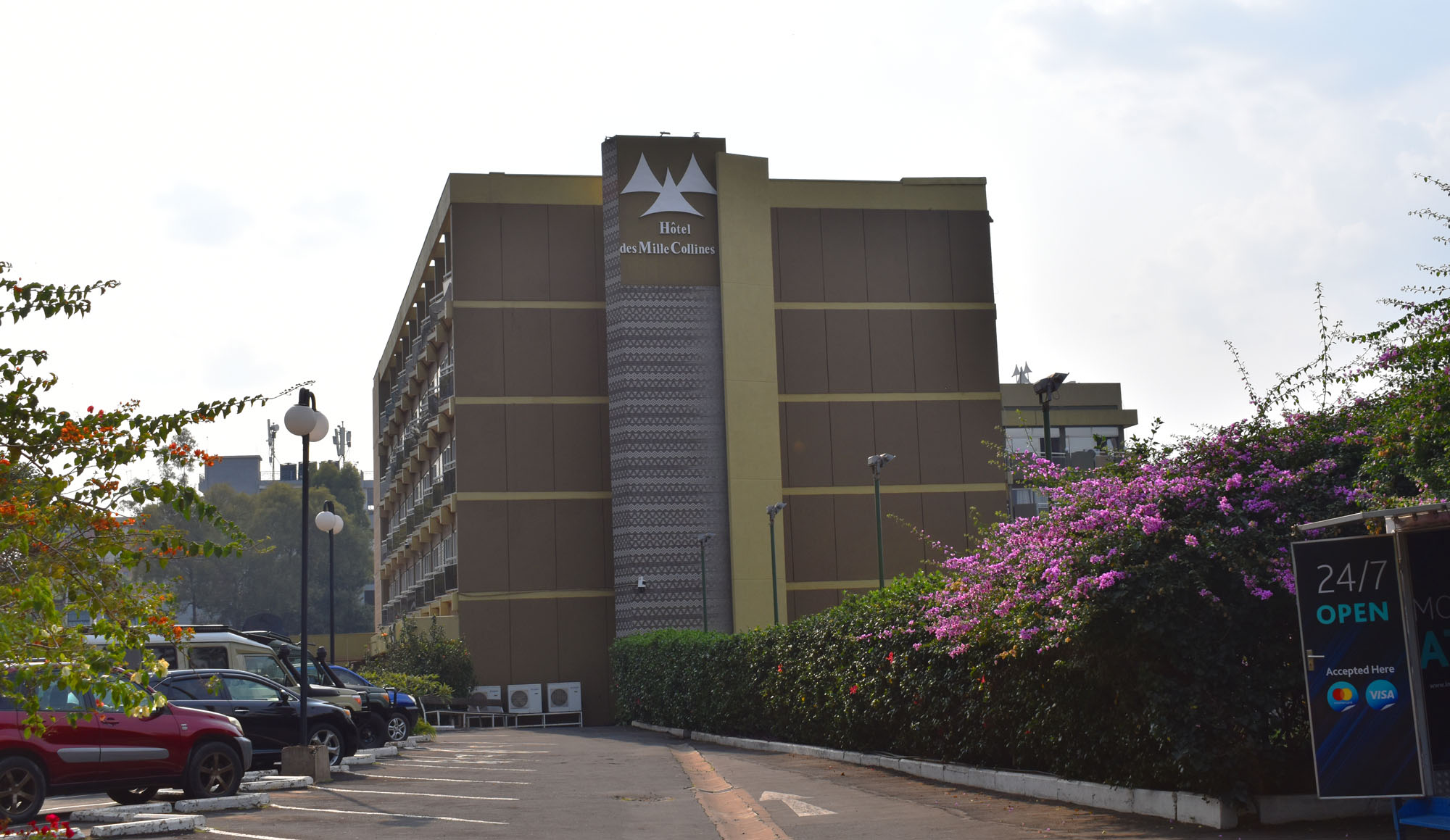
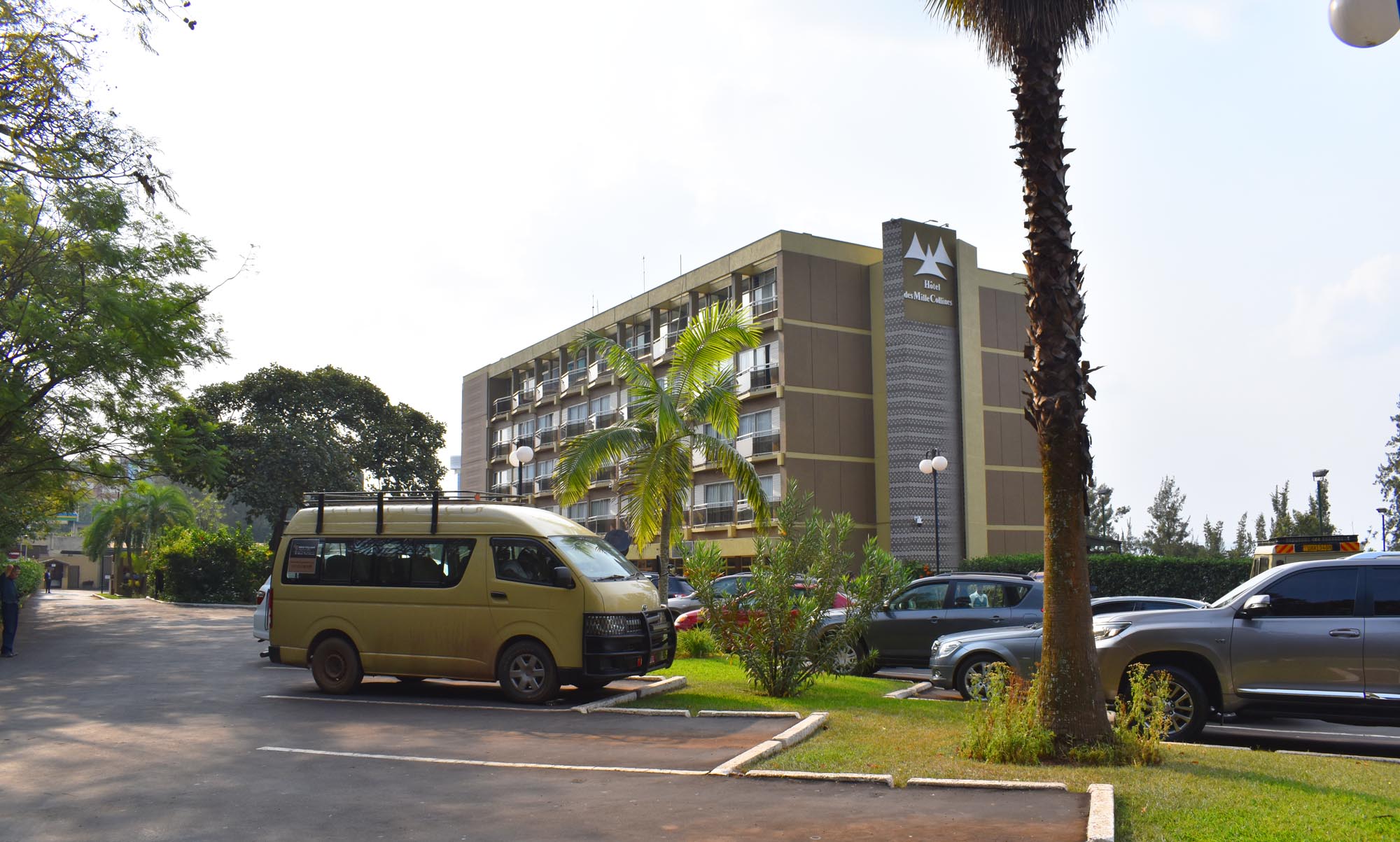
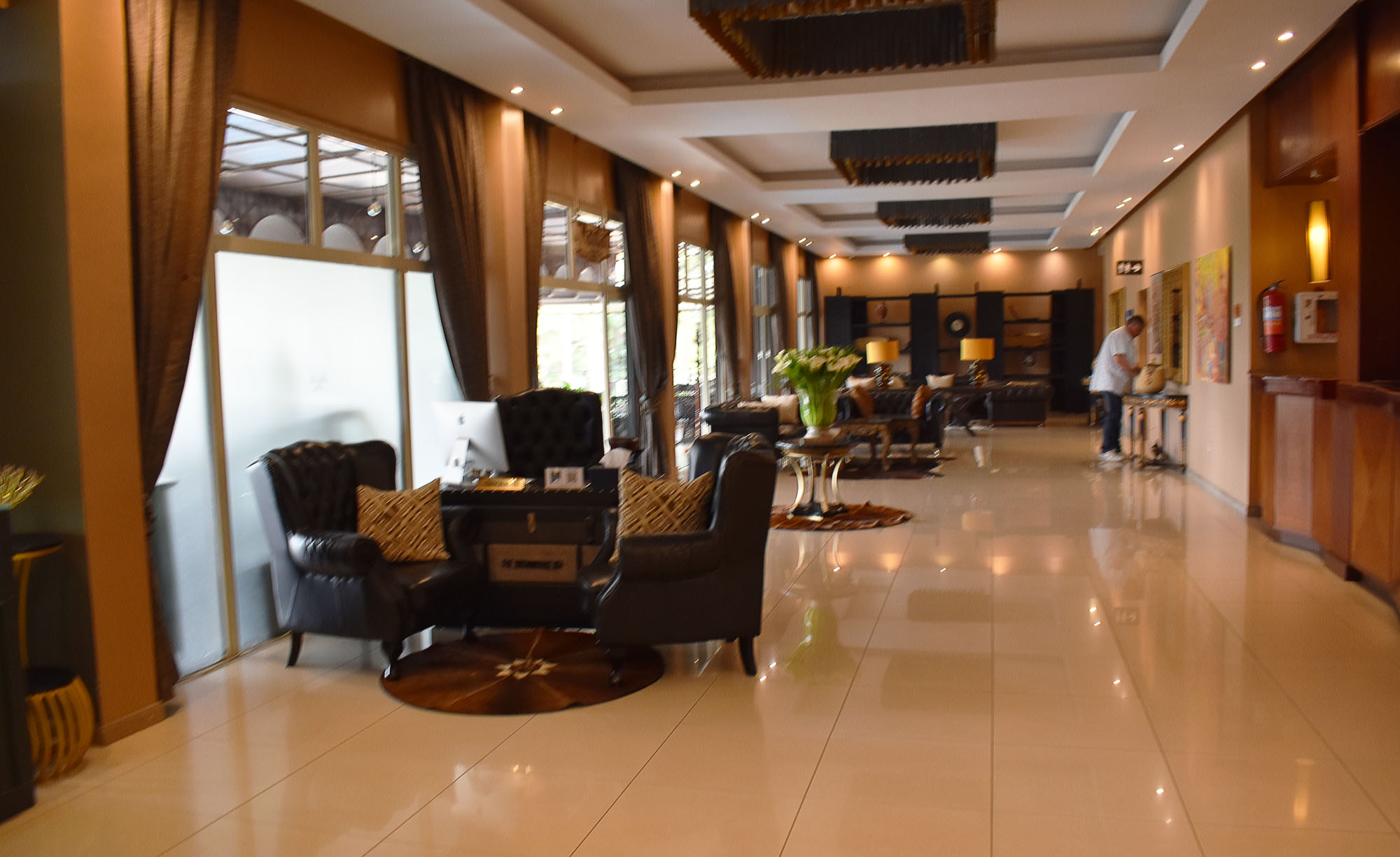
Hotel des Milles Collines perhaps isn’t or shouldn’t be a tourist attraction, but it’s worth a quick visit in my eyes and the guide book suggested it. This is the hotel at the centre of the film ‘Hotel Rwanda’ which sheltered and saved the lives of many Tutsis in 1994. It’s an expensive and swanky place, four stars and Booking dot com tells me around $256AUD a night at the moment. Wouldn’t be a bad choice I think if you’re coming to Kigali, worth considering if it is in your budget. I stayed at a place called ‘St Etienne’s Guesthouse’ attached to a church – $84USD for a night that’s $28USD or around $40AUD per night.
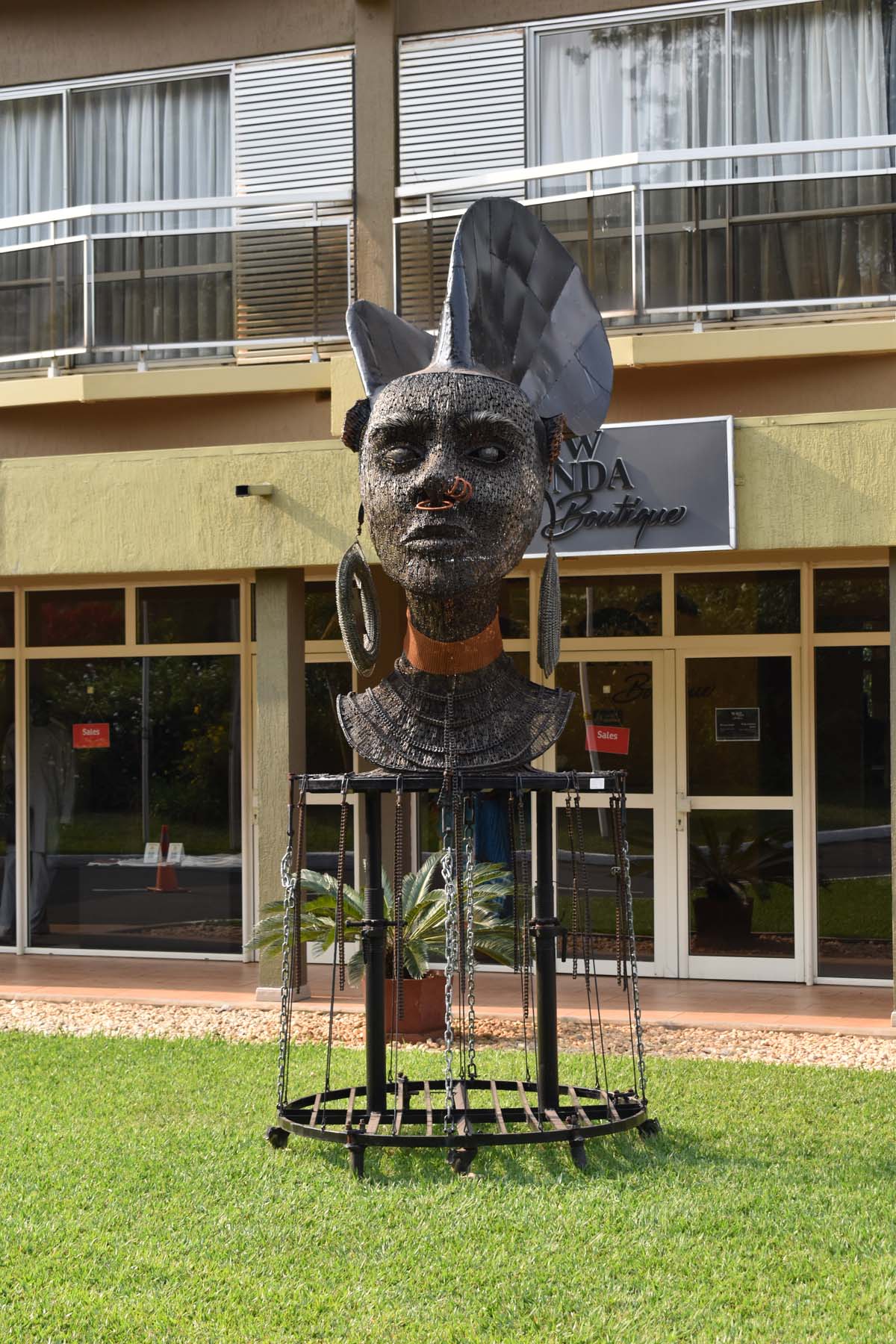
And that was my time in Kigali, minus the time I needed to take to organise getting my luggage and getting to and back from the airport again. There’s a little more to see in the city, and it’s the jumping off point for gorilla treks based in Rwanda obviously. The forest/jungle along the border with DRC and also the DRC/Uganda border is pretty much the premiere place in the world for seeing mountain gorillas in the wild, I was heading to Uganda for just that experience, and that’s coming up soon. After a post on crossing to Uganda next week! So look out for those. Kigali is indeed pleasant and safe, as far as I experienced it myself. A lot to absorb and learn about, and a city that despite the horror of 1994, has managed, like the rest of the country, to mend itself and look forwards. Paul Kagame is the President and has been since 2000, and although he has detractors and has been there for a long time now, he’s found a way to heal and deal with the atrocities and genocide and make the country a positive beacon in Africa.
Thanks for popping in today. Take care wherever you are in the world, and May the Journey Never End.


Heartbreaking history. But good that it’s being remembered (so as to hopefully never be repeated). It’s good to hear that the country is in a better place today and safe to visit.
Kigali sounds like a fascinating introduction to East Africa, especially with its pleasant climate and hills. I’m looking forward to hearing about your gorilla experience again!
I didn’t know that Kigali is one of the safest capitals in Africa. It has a horrible history but while it may be a bit heavy for the tourists, it’s great that it is remembered in museums.
Hard to imagine such a peaceful place today given the painful history it holds. Thank you for sharing this glimpse and its history.