

Hi there and thanks for taking the time to pop into my blog today! Well, having recently returned from China, and being a travel blog here I thought that I would take the opportunity to write up a quick blog about travel to the country as I found it this year. China is still a country that is not necessarily well frequented by travellers with nearby countries and neighbours such as Japan, Republic of Korea, Vietnam etc being more visited and well known destinations.
People from outside China are definitely travelling there, I saw many when I was there, but perhaps they are from outside the usual countries you might see in large numbers in say SE Asia and Japan. In particular, I saw a lot of travellers/visitors from Russia, and I didn’t notice many at all in Japan. I know you will see a number of visitors in Vietnam, less so in Thailand or other places in the region (but certainly you will see them) but in the parts of China I visited they appeared to mostly outnumber western tourists.
Of course, I saw a few from Australia, we tend to get around, and most multi-lingual signs I saw were in four languages – Mandarin, English, Russian and Korean although I didn’t specifically notice a lot of people speaking Korean. Interestingly perhaps, or maybe not, I didn’t see a single visitor from Japan in China.
So, somethings to ‘know before you go’ –
1/ Visa free travel for some countries.
Australia is one of a number of countries that currently can enter China visa free for up to 30 days. New Zealand, the UK and many European nations also receive this. It’s a good thing, the visa you used to have to list all the places you were going to and provide a lot of details you might not have yet organised. It speeds up immigration, but do be aware that there is an online arrival card to be filled out before you arrive.


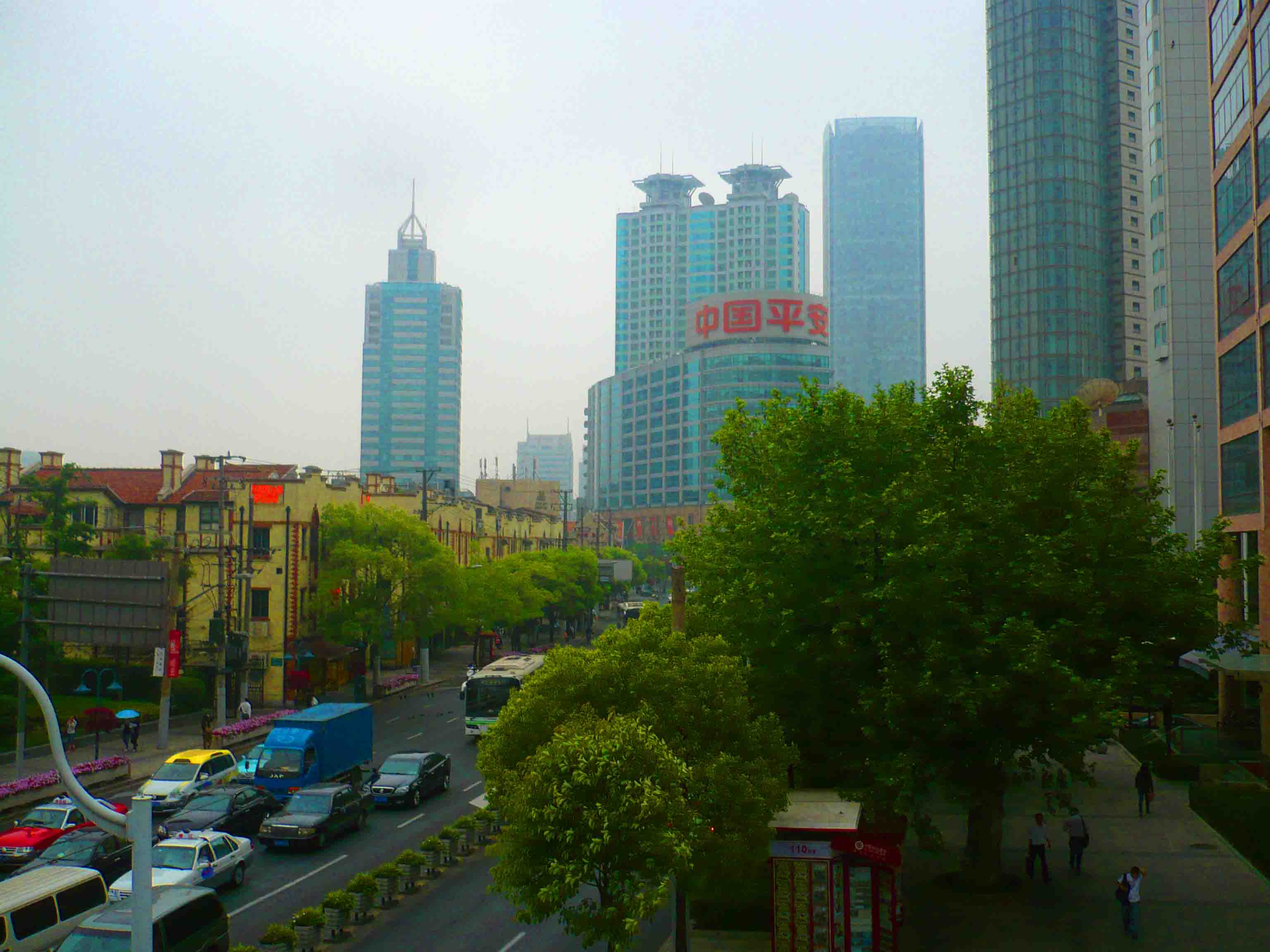
I also transited through Haiku Airport in Hainan and it was just a security screening (flying home from Laos). In the past transiting through China I basically had to go through and collect bags, do customs and receive a temporary permit, might still need to do this depending on the airport, I’m not sure but through Haiku, a fairly big airport, this was much more simplified.
2/ Paying Your Way Into the Future
So, whereas say Japan is a country stubbornly refusing to electronically upgrade payments, where cash is still king, China has gone the other way and at times it can be hard to find those who accept cash at all. In China also your credit/debit card may not be widely accepted, although at hotels and bigger places it probably is.


But payment apps are now the rage and you can pay for almost anything, no matter how big or small, on Alipay or WeChat. I set mine up before leaving Australia, although not completely and they don’t always run super easily as a foreigner. I had to do some sort of verification with Alipay which I didn’t sort out until I was transiting in Pu Dong Airport Shanghai, however I worked it out and was all good. I set up WeChat, which I heard can be harder to use for foreigners, but I didn’t use it.
I set them up connected to a debit card which was relatively easy to connect to the app. It’s a card separate to my home bank, I had a card skimmed a few years back in Italy so I decided it was best to have something separate and not connected to all my home accounts. Alipay has a QR code that businesses can scan to take payment whilst if they have a QR you can scan theirs with your app and make payments. There was no currency conversion fee charged in my case, no fees at all so it didn’t cost me to use it (might be different if you use a credit card, not sure) so in the end I was happy to use it. Of course, you need a connection to data!
3/ Great Firewall of China
Which is where my $5 Vodafone roaming came in super handy! It’s true if you haven’t been to China – internet is slow and many many apps and sites are blocked starting with but not limited to – Google, YouTube, Gmail, What’s App, Facebook, Instagram… the list goes on.
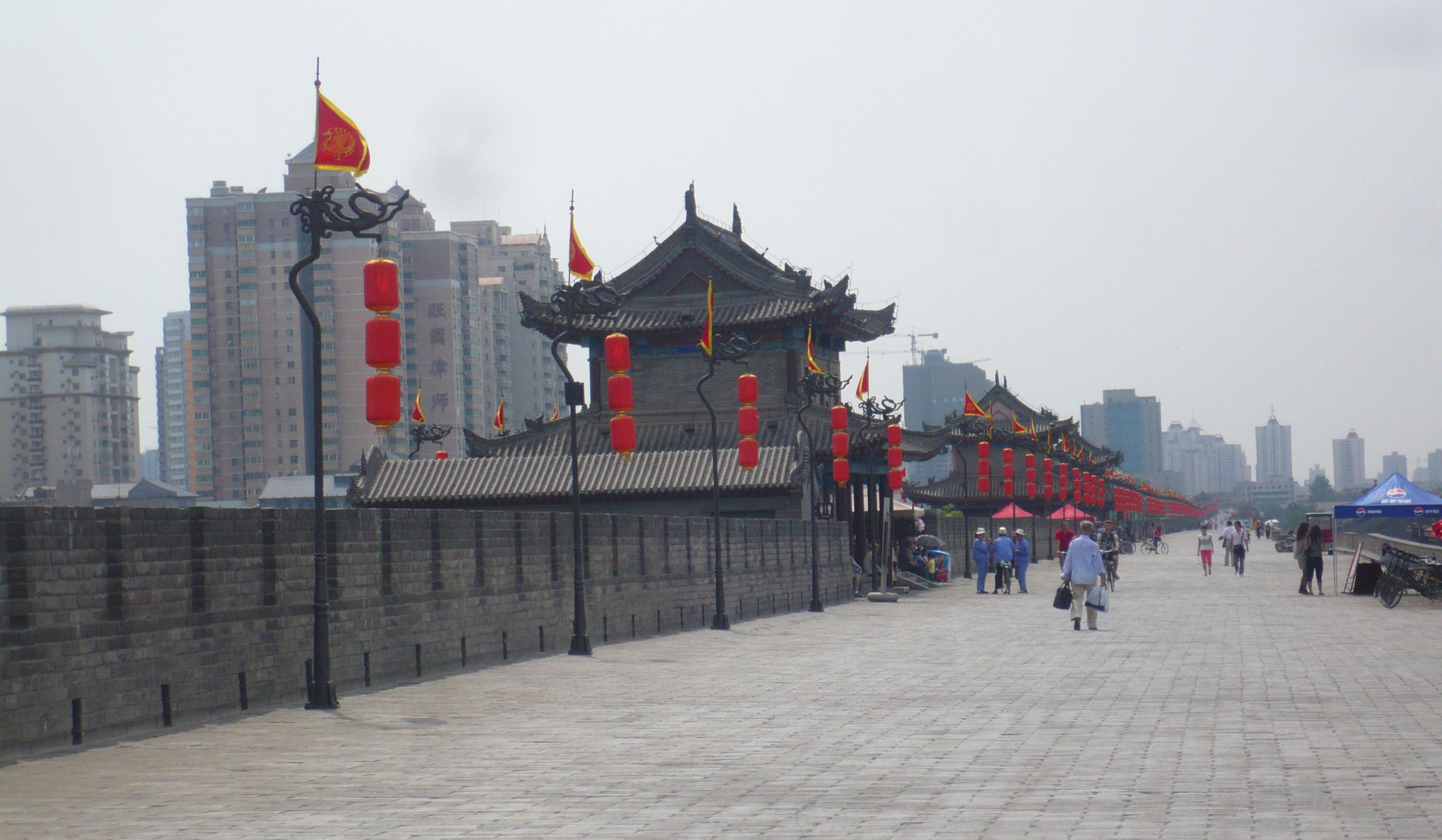


Australia’s Vodafone provides, in many countries but not all, $5 a day roaming, and China IS on that list. That’s not the best news – the best news is that somehow, I don’t know why, this roaming is a decent speed and bypasses the blocks and firewall and you can use ALL your apps/websites as you please. It’s not SUPER quick, but faster than the local connections. It means I used a fair bit of data, not going to lie. But I didn’t go over the limit so I was happy. And I could use Alipay easily too. See – Vodafone – not all bad!
4/ Language
Yes – it can be an issue. But translation apps are all the rage in China, and you most likely will rarely need one of your own and people seemed to pull them out of their pockets. For me I felt now nobody tries to understand others (who don’t speak their language) through motions and other cues. Which can be a fun challenge but it is 2026 and translation apps do it easily – although sometimes I was presented with a translation that clearly wasn’t quite right. I wasn’t in the most visited parts of the country this time, but I found in Zhangjiajie and Kunming it was very rare to find a local who spoke English or any language other than Mandarin.
5/ Navigation, Food & Research
So firstly – Google Maps and China don’t really mix. There was a lot of missing information on the app, for example the location of metro stations, and lots of things that just weren’t there at all (I think closed down, the information was out of date).
Of course, Google really isn’t allowed in China, but as I had my roaming working from Vodafone I could use it. There are map programs you can download and I recommend doing research on them before you go and downloading one or two. I had one downloaded but it was all in Chinese and not much help to me. I know there are some apps out there though that will give you different language options, so this would be a very good idea. Also, when doing research before going, be as extensive as you can because information is not always 100% accurate and easy to find. Restaurant recommendations – hard to find for Zhangjiajie for example.

Speaking of food, well there are a number of American chains that have infiltrated China and the most common and popular that I saw was KFC. I saw a few McDonald’s too, I mention this because if you are looking for a western option, options are limited. And in a place like Zhangjiajie finding a menu in English is a challenge too, and pictures will only reveal so much. For someone with a peanut allergy like myself, it’s a little daunting. I had ‘I am allergic to peanuts’ on my phone screen shotted in Chinese, it was very necessary!

But having said that I had some great local food, especially in Kunming where I sampled a local noodle dish. For the adventurous with food, well there is plenty to get adventurous with if you’re happy to delve into the unknown. From the very spicy dishes to the strange (well, for me) including a range of insects. Especially at food markets. Don’t expect to find something familiar to fall back on every time – in many countries you may find local takes on things like pizza, doughnuts and pastries, for example. These are much harder to find in China.
6/ Transport by Train
At railway stations, which are always huge and monolithic it seems, I found the occasional English speaker. Train information on the boards is often a mixture of Chinese and English, with place names often not translated to English but platform numbers and train numbers are there to reassure you.
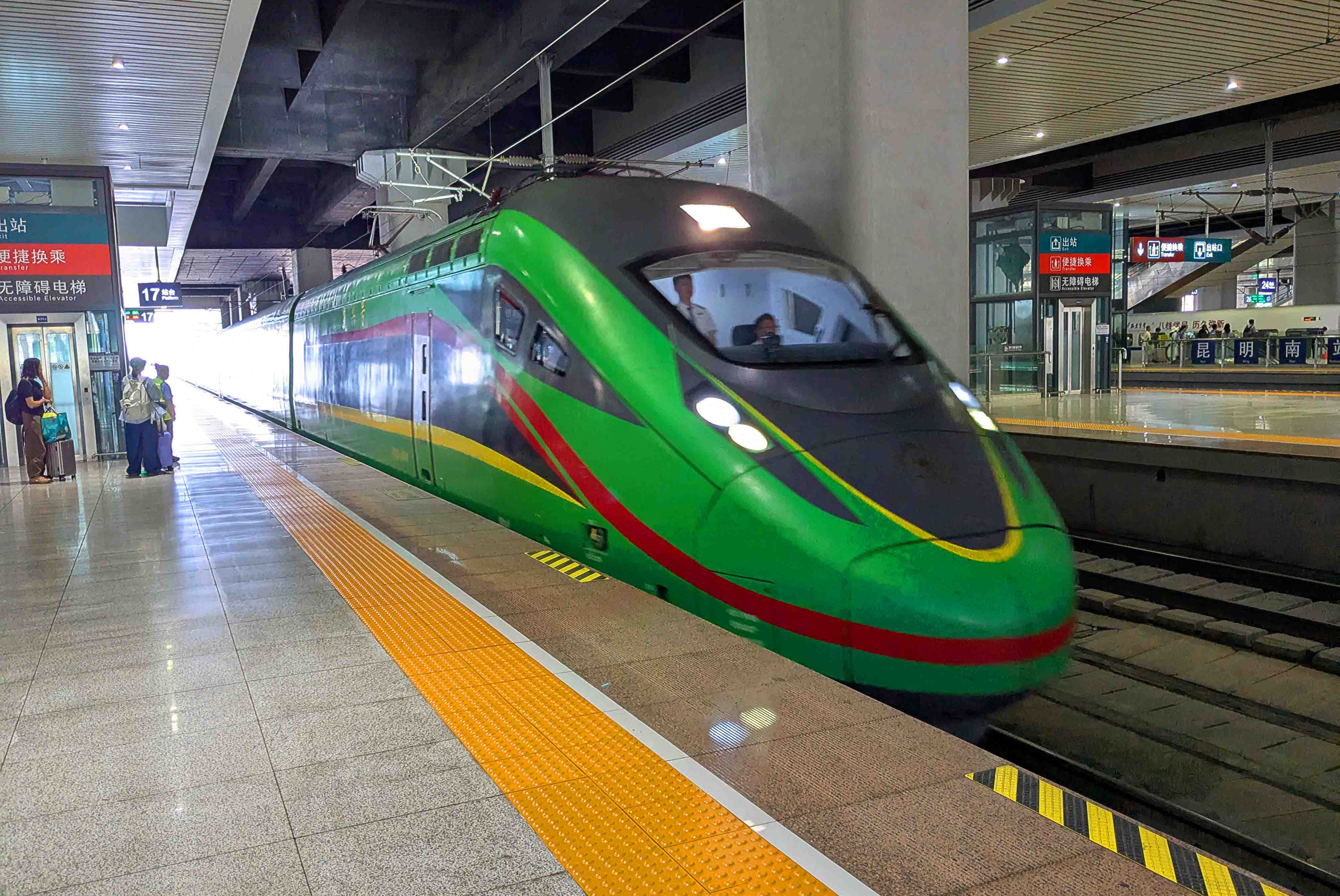
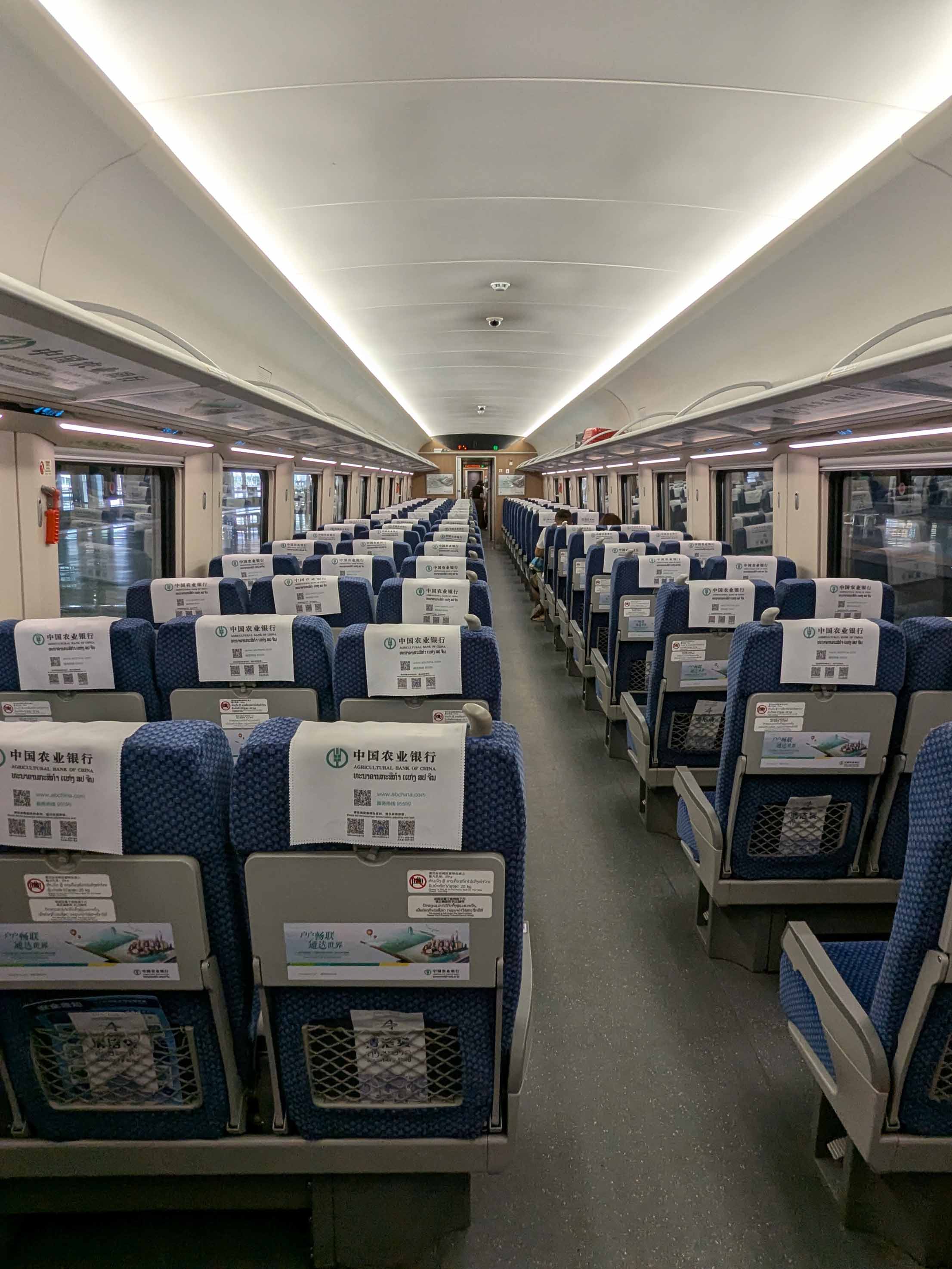
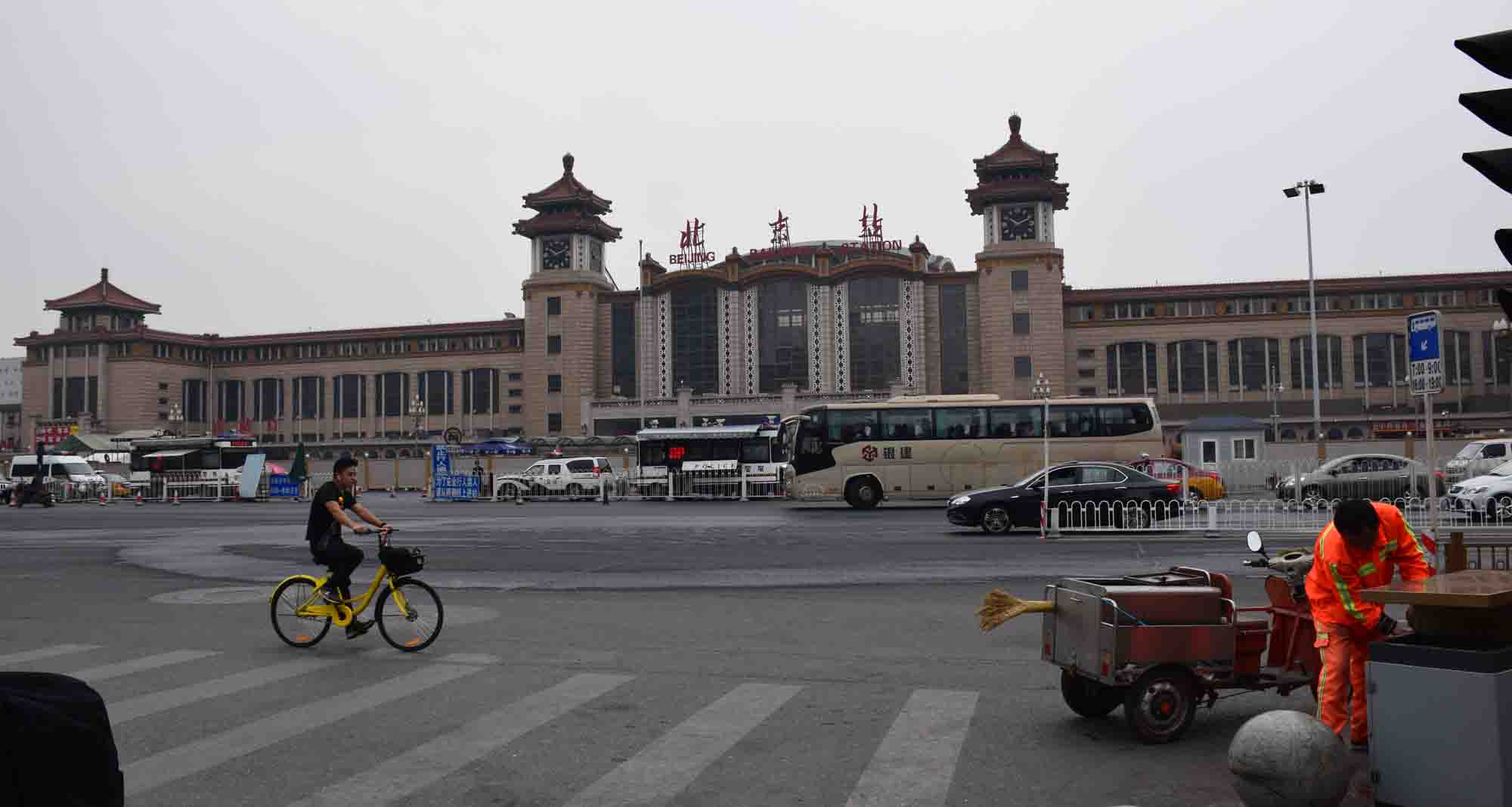
The train system is brilliant and extensive and being constantly improved. The high-speed trains impressed me greatly, being comfortable and super fast, the fastest I experienced was 298 km/h. They are a godsend too considering how big the country is, and a bit of a revelation really. Not particularly expensive – I booked through 12GoAsia before I left. The tickets only get issued 9 – 10 days out, but the website I used allows you to secure tickets earlier. I had a bit of an issue with the first ticket, I understood that my passport would be my ticket, but they couldn’t find me until the last minute on their passenger list. It may have been that I needed to go to the ticket booth first to reclaim a physical ticket, as I did for the second journey (which was to Laos).
7/ Big Brother Watching
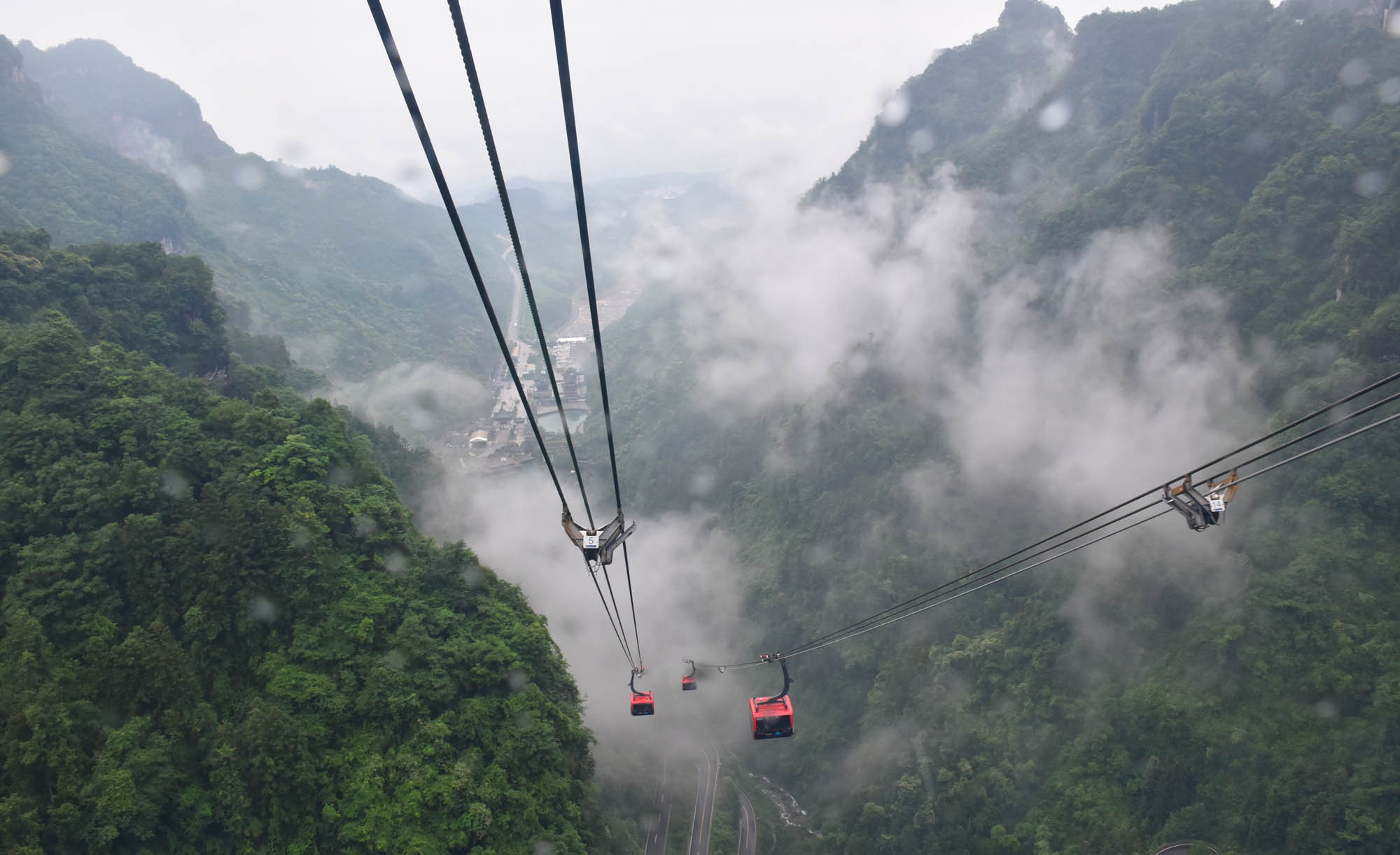
Well, yes you will notice cameras everywhere. You do feel somewhat watched but is it that much more than at home, or say, in the States? I don’t know. Using apps like Alipay allows you to be tracked easily too, and for entrance tickets to parks such as Zhangjiajie National Forest Park, well they use your passport as the original ticket, take a photo of your face and then your face is the ticket. You line up for the bus or the elevator, and if you’ve paid for them they scan your face and let you in. It’s very efficient (when it works) but you might find it a little creepy too. Not everything is like that in China, but you do need your passport to by pretty much any sort of ticket, even a short inter-city bus ticket.



Anyways. There are a few thoughts for you on China. Please feel free to ask any questions in the comments, I will do my best to answer them! Take care wherever you are in the world and… May the Journey Never End!


Very useful – a lot has changed since my time in China.
Very nice, I learnt quite a bit about China from your article. My husband lived there for 10 months before we met on a training program organized by his ex-employer, and he speaks very fondly of the country’s technological advancement and beauty every chance he gets. The racism was the only negative.