
G’day folks. It’s time to start my summary of the sights that I experienced in Budapest when I visited last year. Hungary’s capital is an underrated European city I guess and is not first on people’s lists of cities to visit often. However, although personally I admit to not totally ‘vibing’ with the city, it’s very much worth visiting and has plenty to keep the visitor busy.
And of course, if you know anything about Budapest you will know that it is basically two cities Buda and Pest that merged in 1873 (so not THAT long ago). The Danube split the old cities, and on one side you have Buda – with Castle Hill and a couple of other attractions, and Pest which is regarded as having more things to see such as the Parliament Building, the State Opera House, the main train station, the centre of town and shopping, Heroes’ Square and the bulk of Budapest’s sights.
So I’ve decided to split my post on the sights into two, one for Buda and the other for Pest. As per my previous post, I stayed (just) on the Buda side of the Danube and today’s post focuses on this side of the river. I stayed in an apartment just below Castle Hill, and there were tracks/roads behind that I used to walk up to the very top.
Castle Hill
Castle Hill is so named because, well, it’s a hill and on top of it is a castle. Buda Castle to be precise. You can walk up to the top on either side as you choose, and visit the sights at the top of Castle Hill, or even take the funicular which looked really cool, but there’s a bit of a wait (maybe not in winter). For an adult it’s around 13 Euro for a round trip, and the trip each way takes around 90 seconds. It’s a big hill, but there can be a wait to get on the thing. We passed on that.
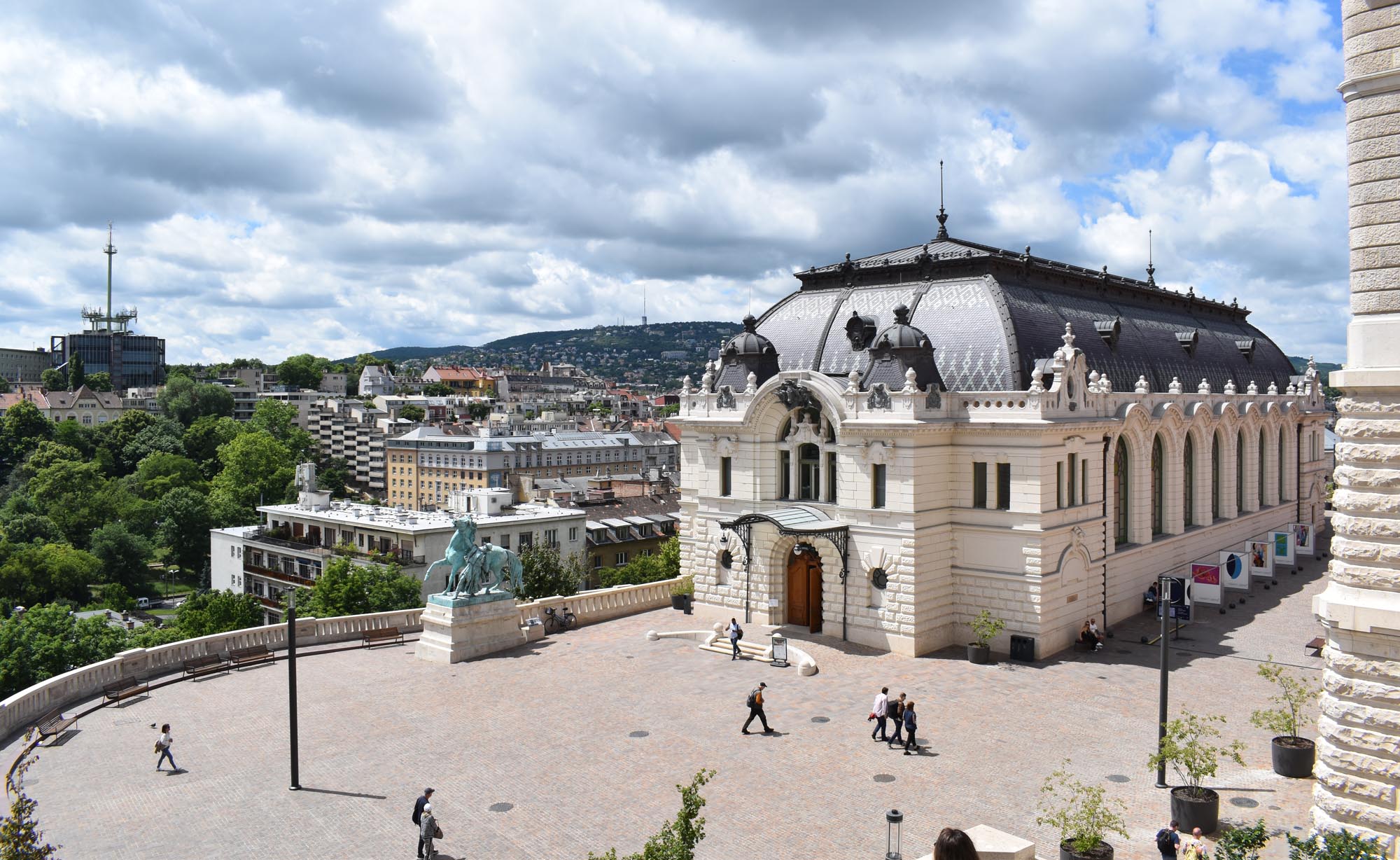
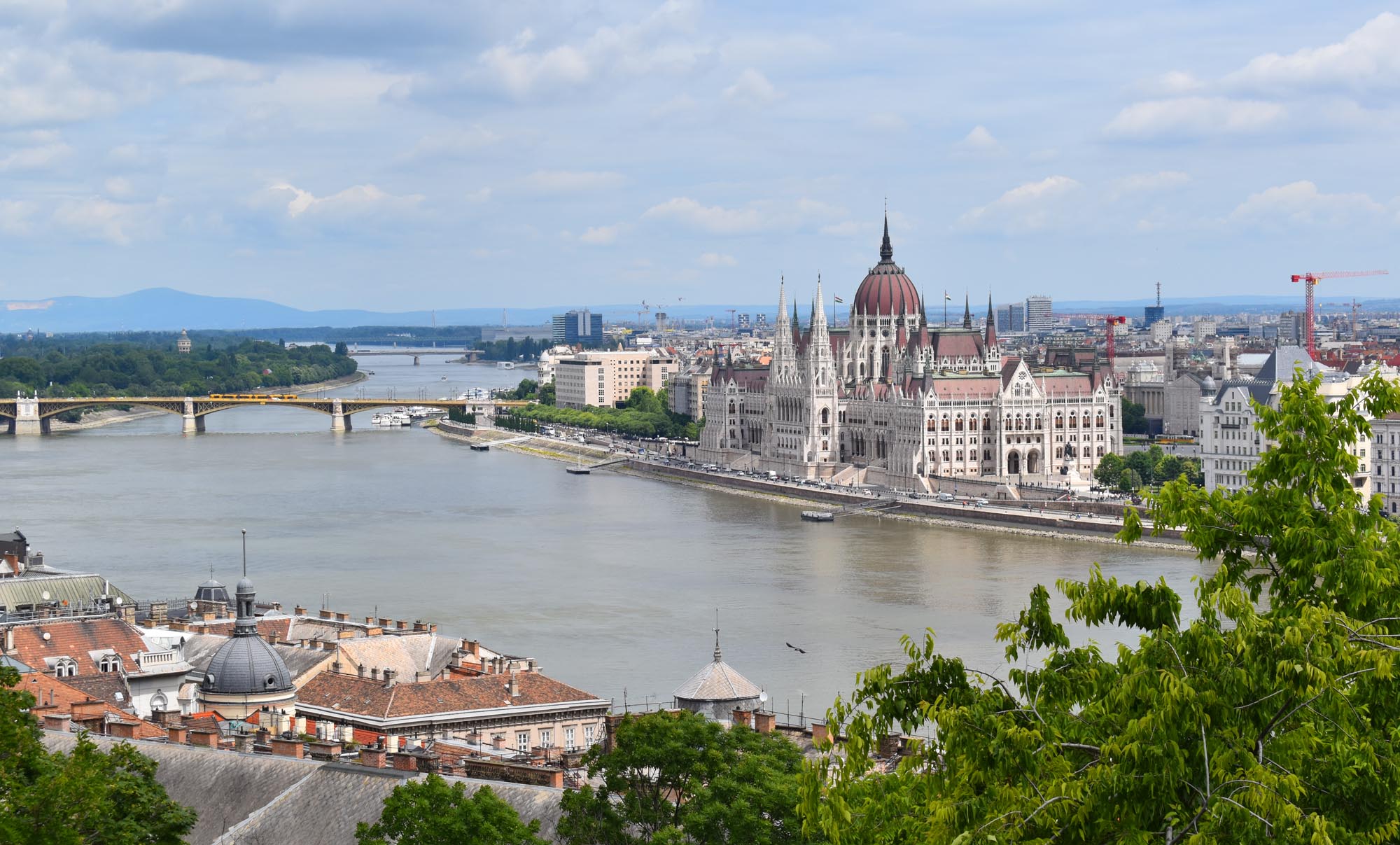
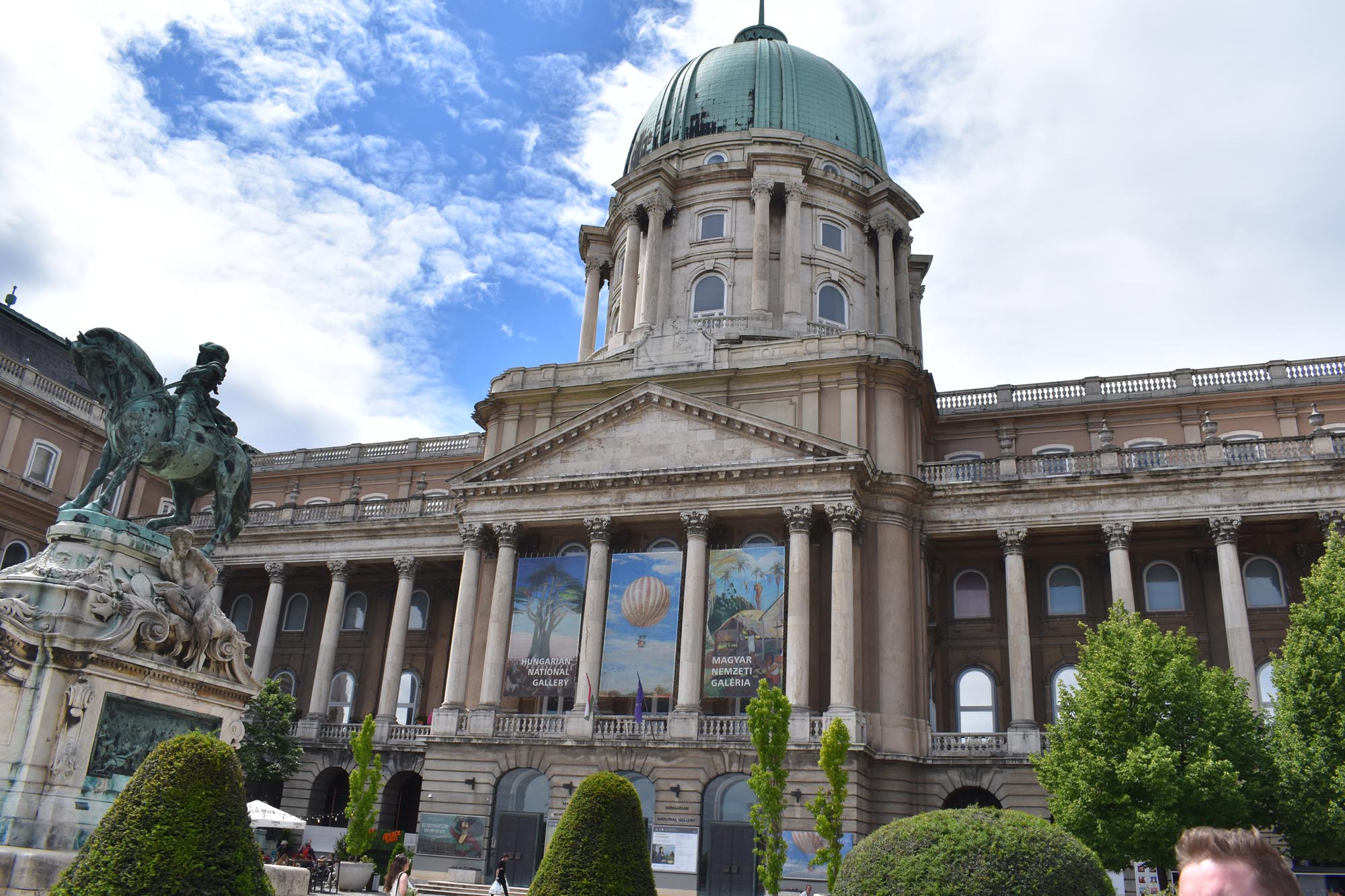
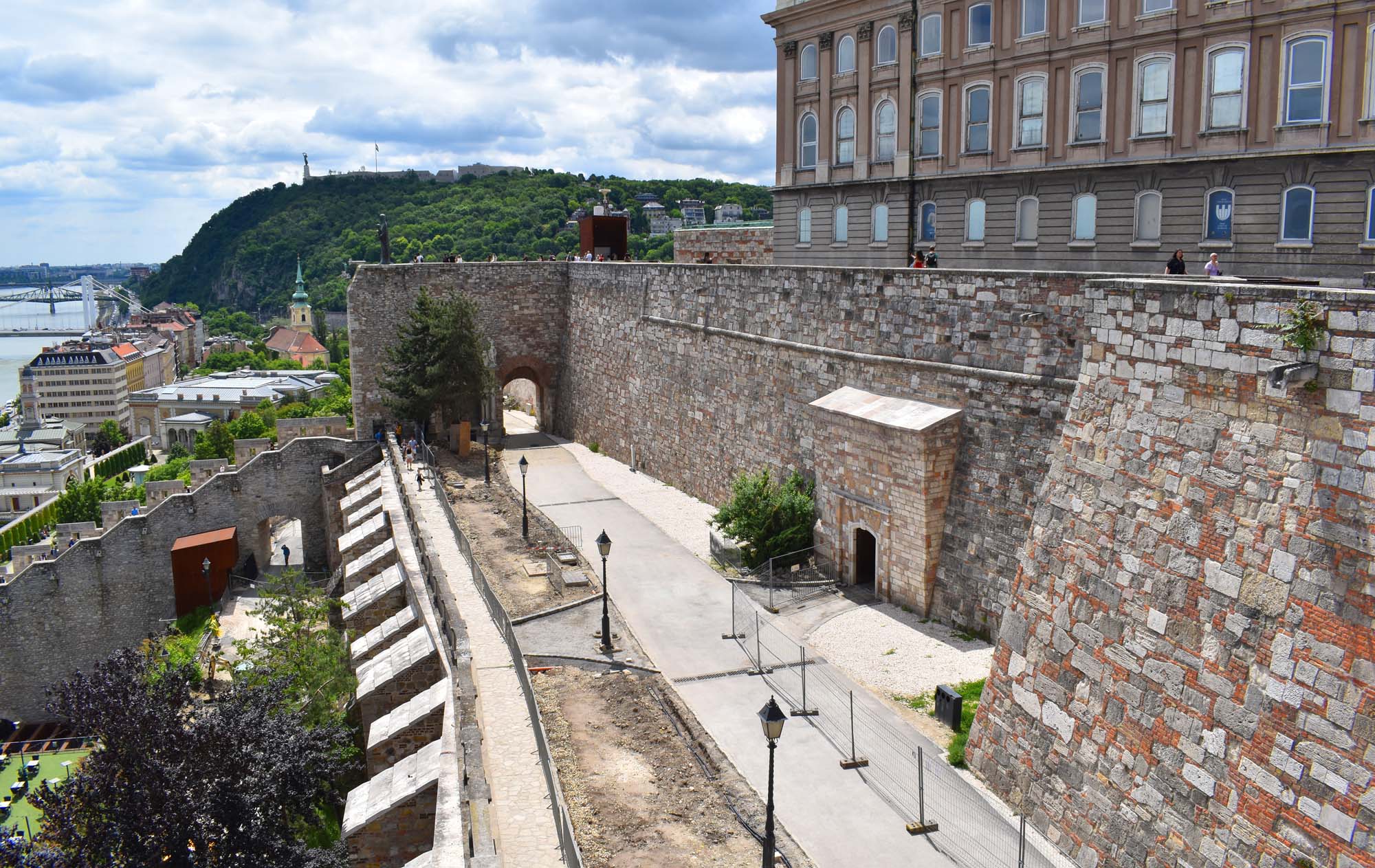
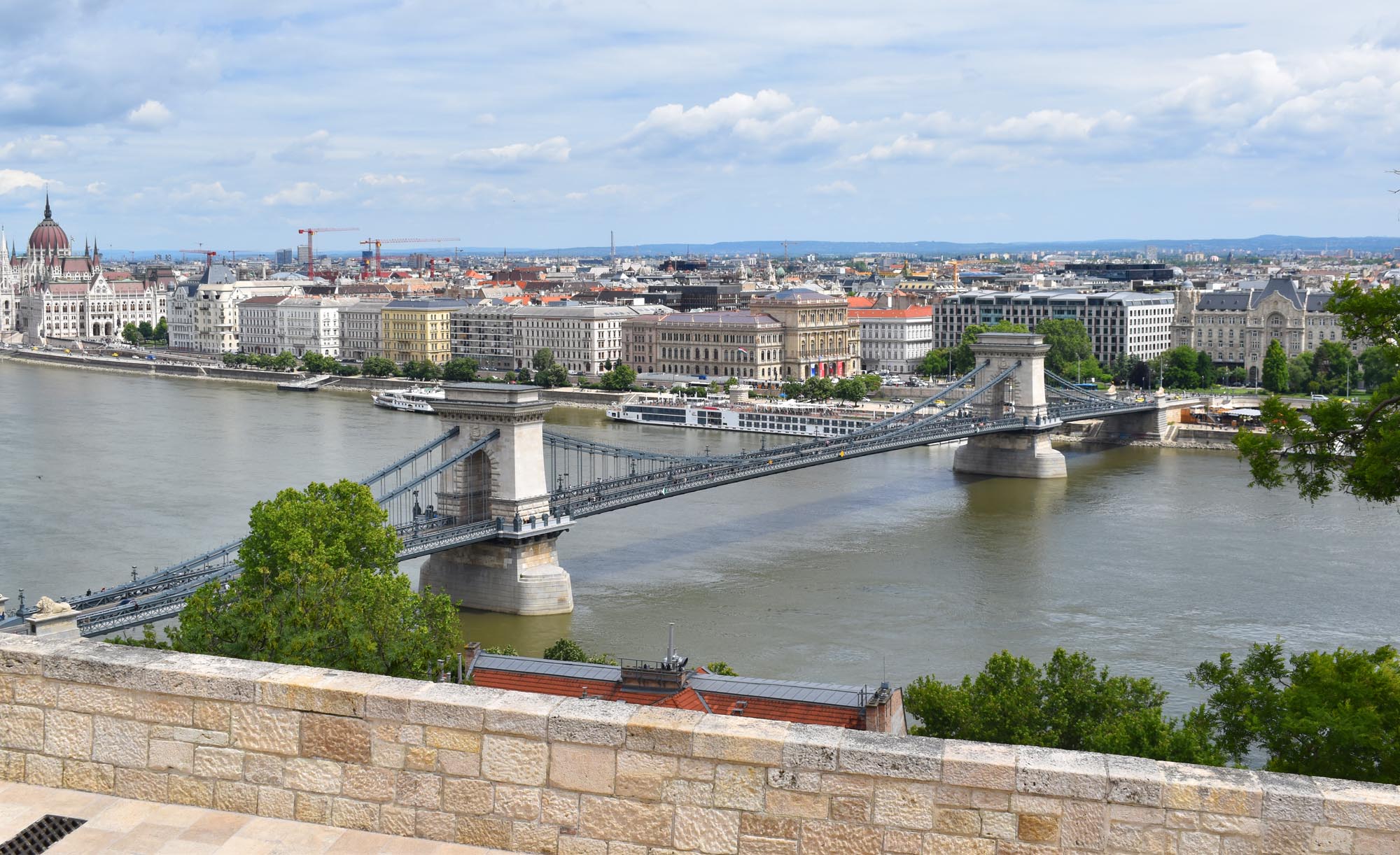
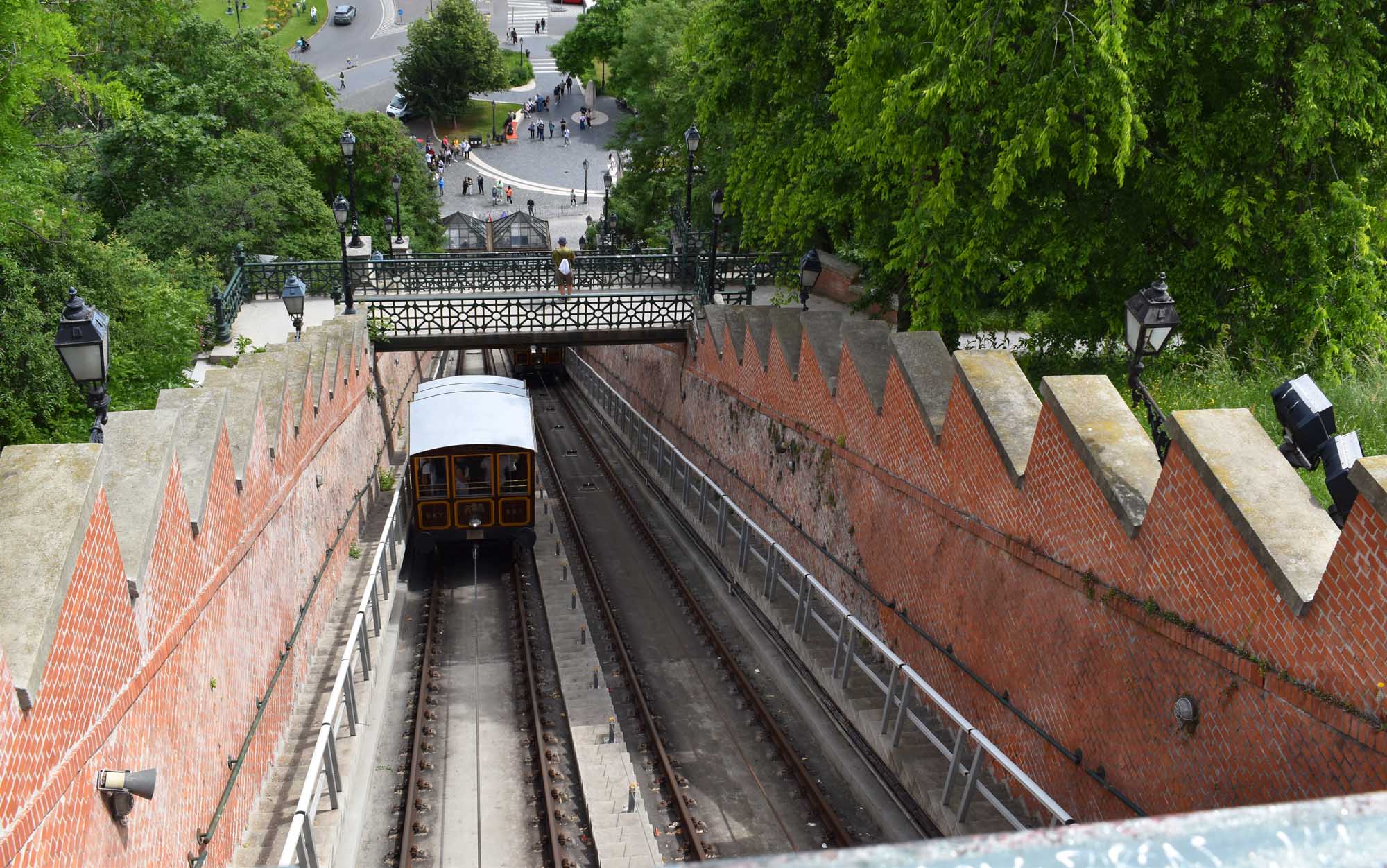
Buda Castle is the focal point of the hill, and you can roam in front of the structure for a photo, or indeed get great views of the Danube and Pest from this point too. Walking around the castle will allow some good photos, you can wander into the courtyard, there is an interesting pavilion near the main entrance and over it you can get a view of Buda too.
I was keen to get inside the castle, which in all fairness feels more like a palace despite fortifications, so I decided to go into the Buda Castle Museum. It’s around 10 Euros and is quite a large museum which takes you into some interesting parts of the castle. The original castle was built in the 13th century, but most of today’s was built in the 18th century and then reconstructed over the following centuries taking on a fair bit of damage during various wars up to and including the Second World War.
The museum is interesting here and there, but the real value for me was wandering around it, discovering old stair cases and a chapel and other spaces. I do recommend it.
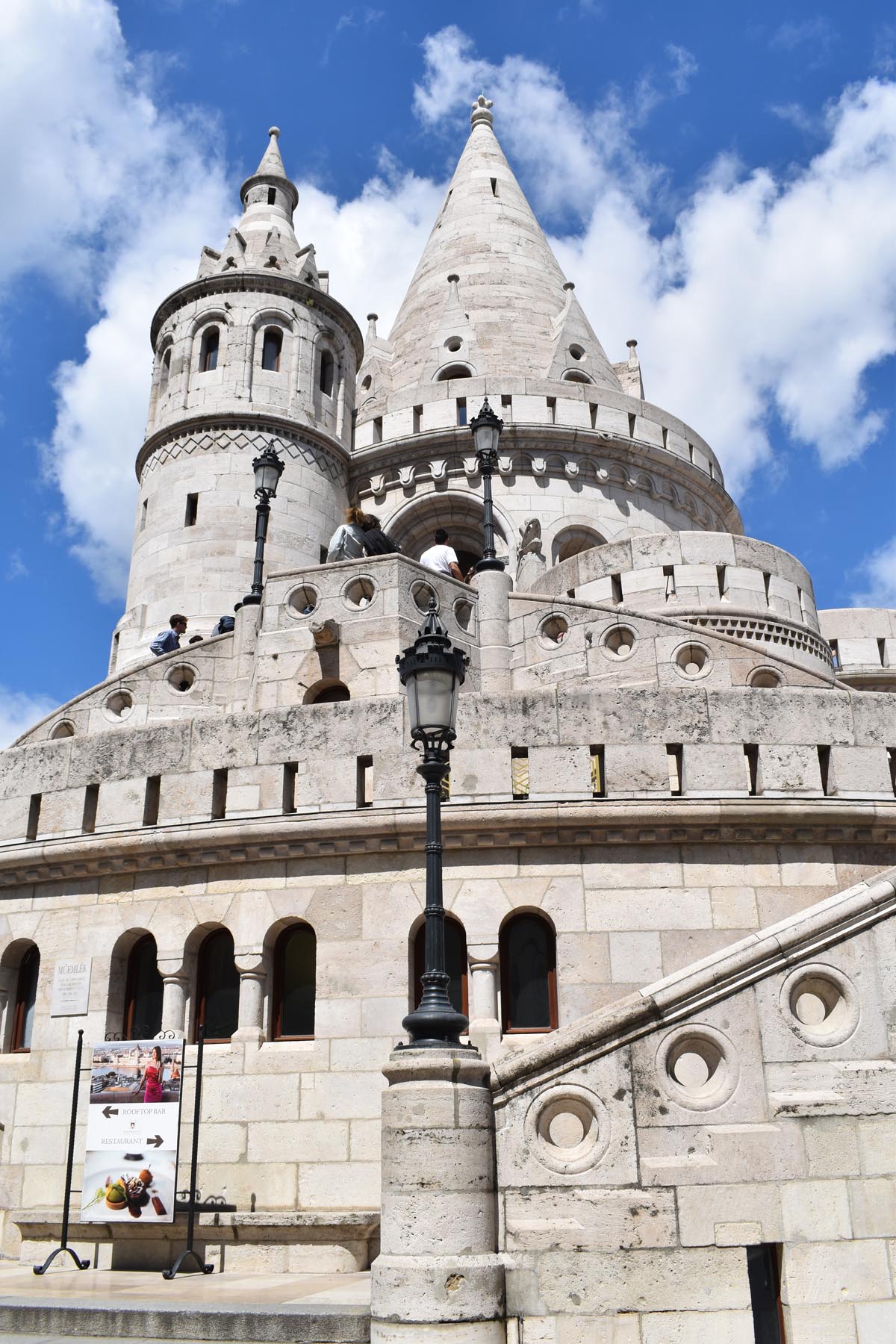
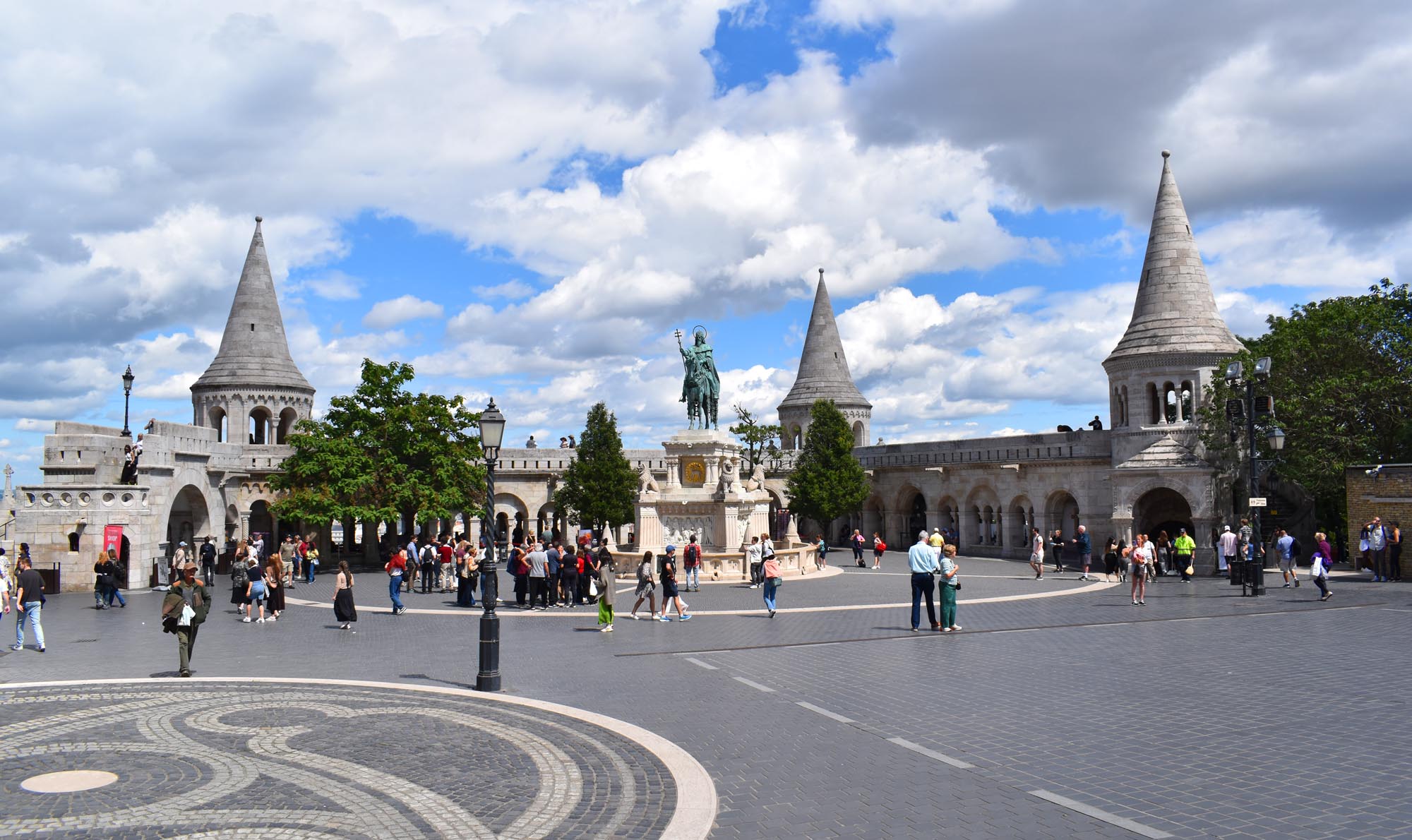
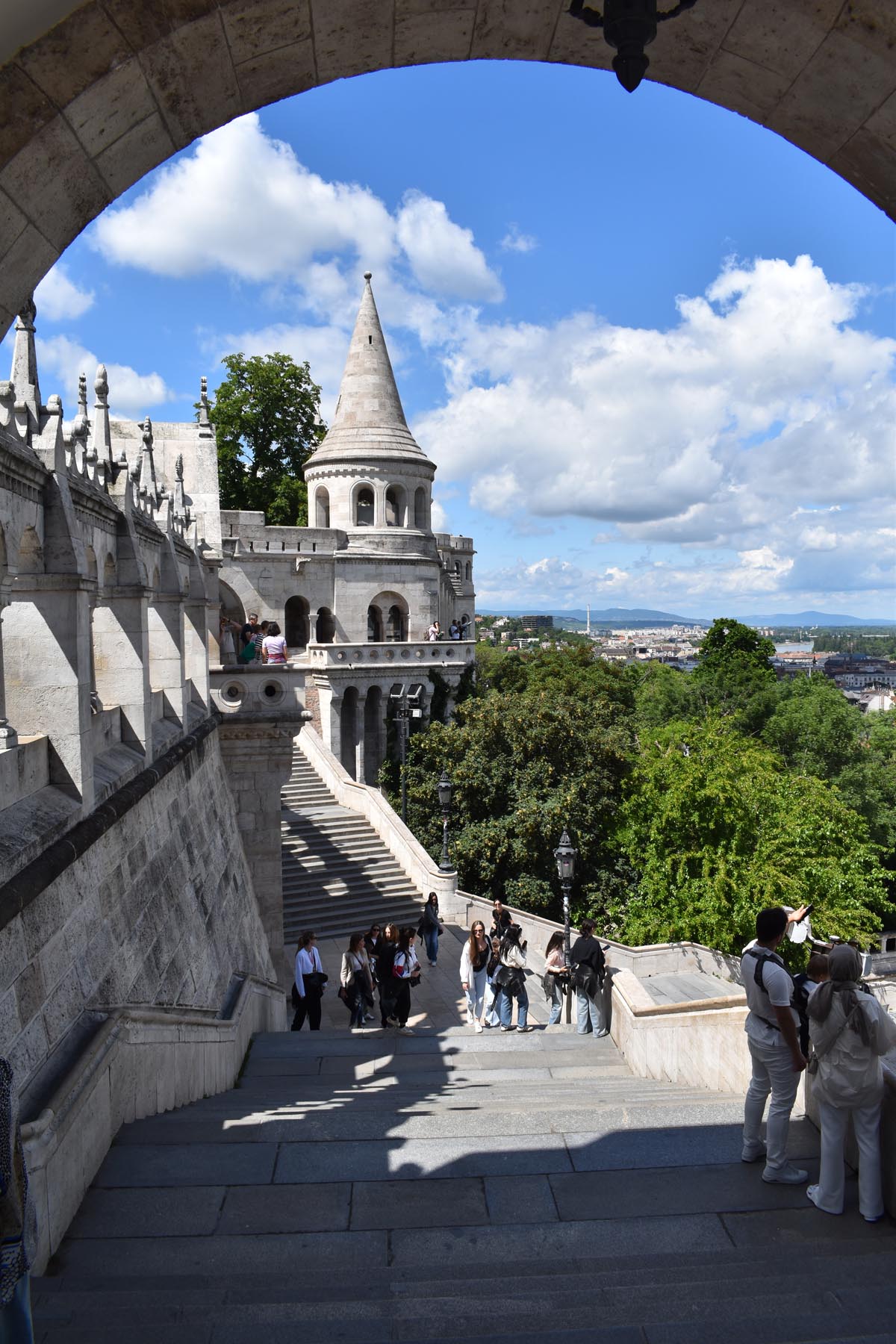
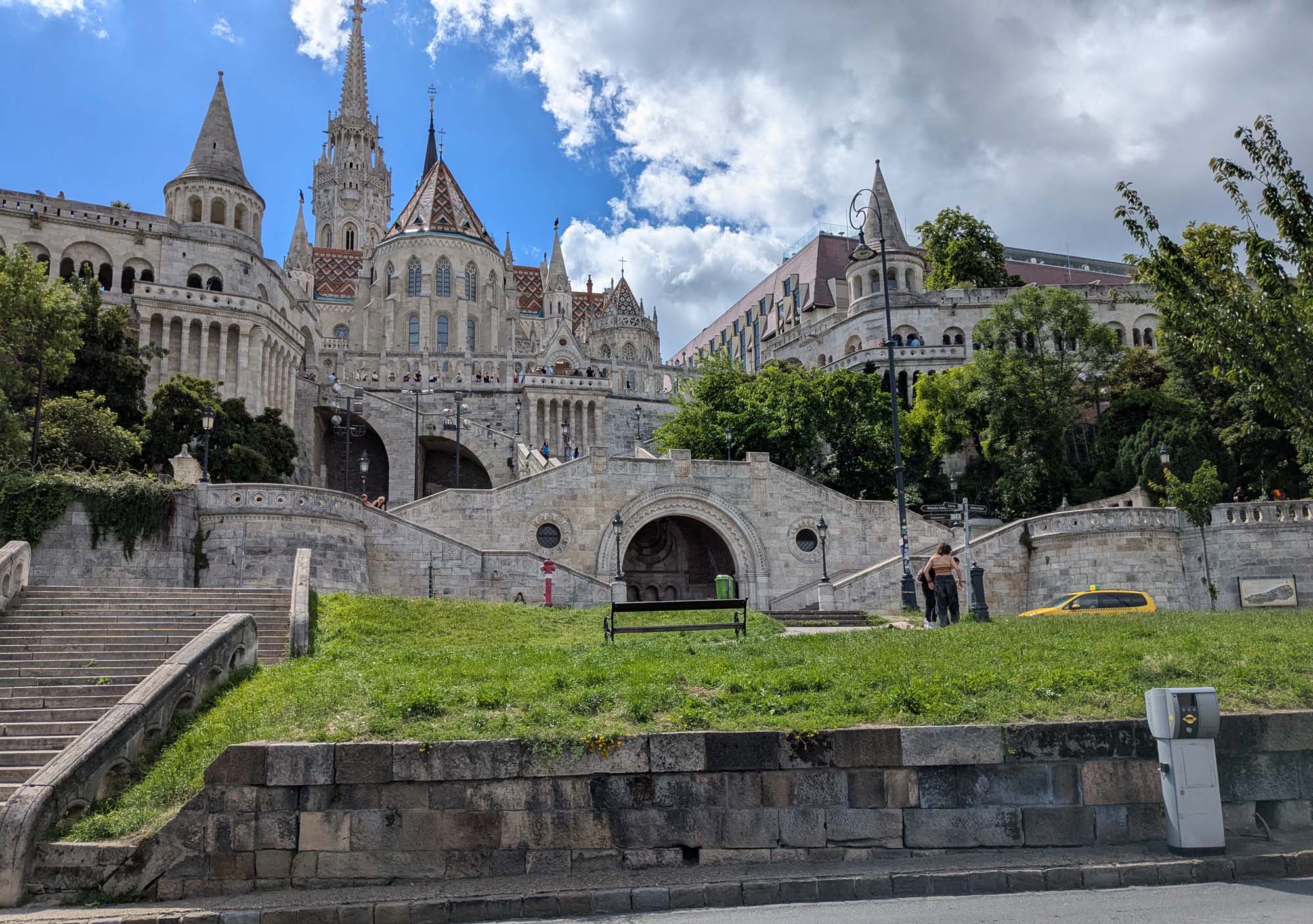
Fishermen’s Bastion is a very popular spot, a ten-minute walk from the castle sitting atop the castle hill again with some great Buda views across to the Hungarian Parliament. It dates back to the early 1700s and is a monument built on top of fortifications and is rather decorative, small towers, walls and spaces – some of which are now cafes/restaurants. It’s a UNESCO site too since 1987, and is very popular with visitors to Budapest.
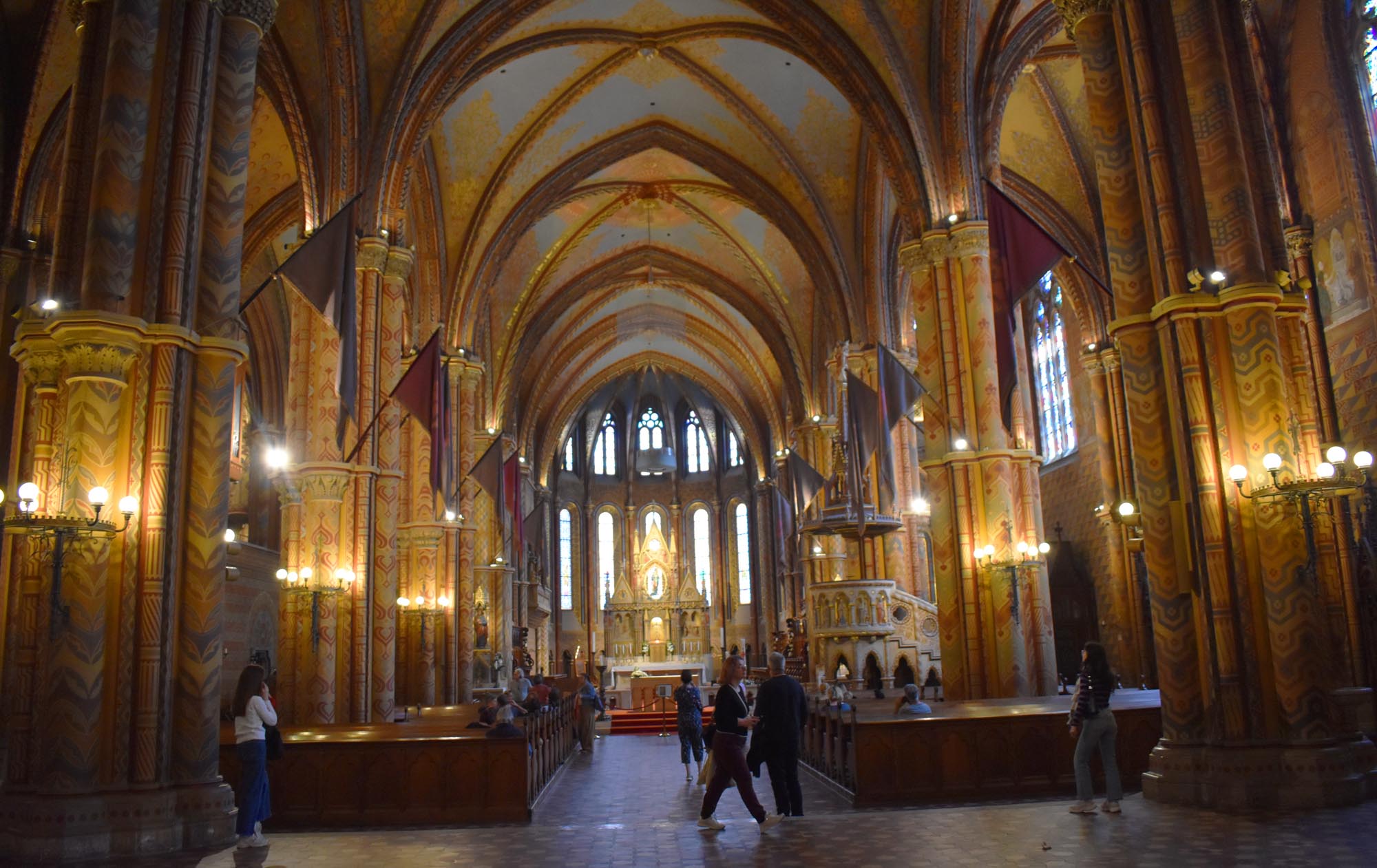
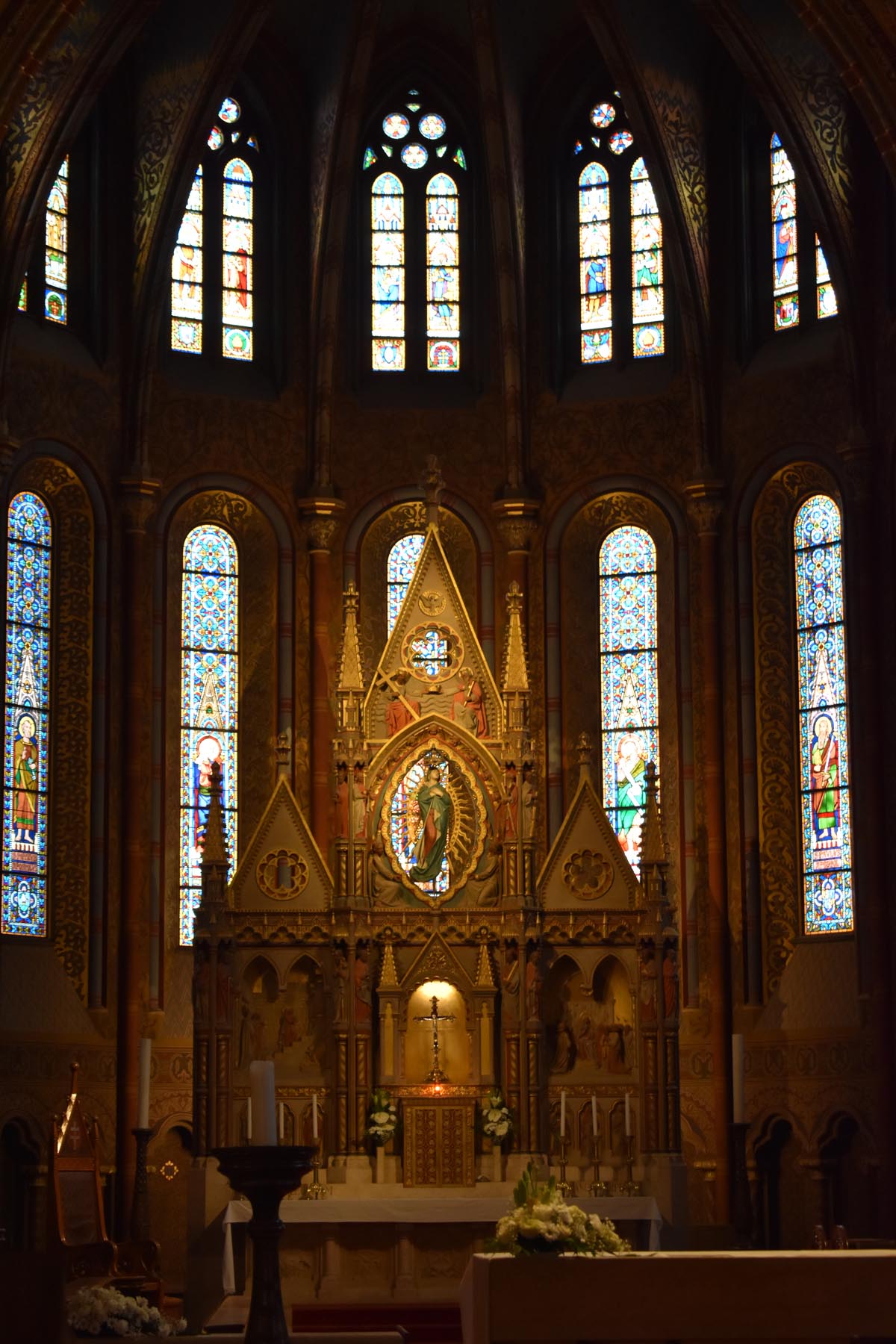
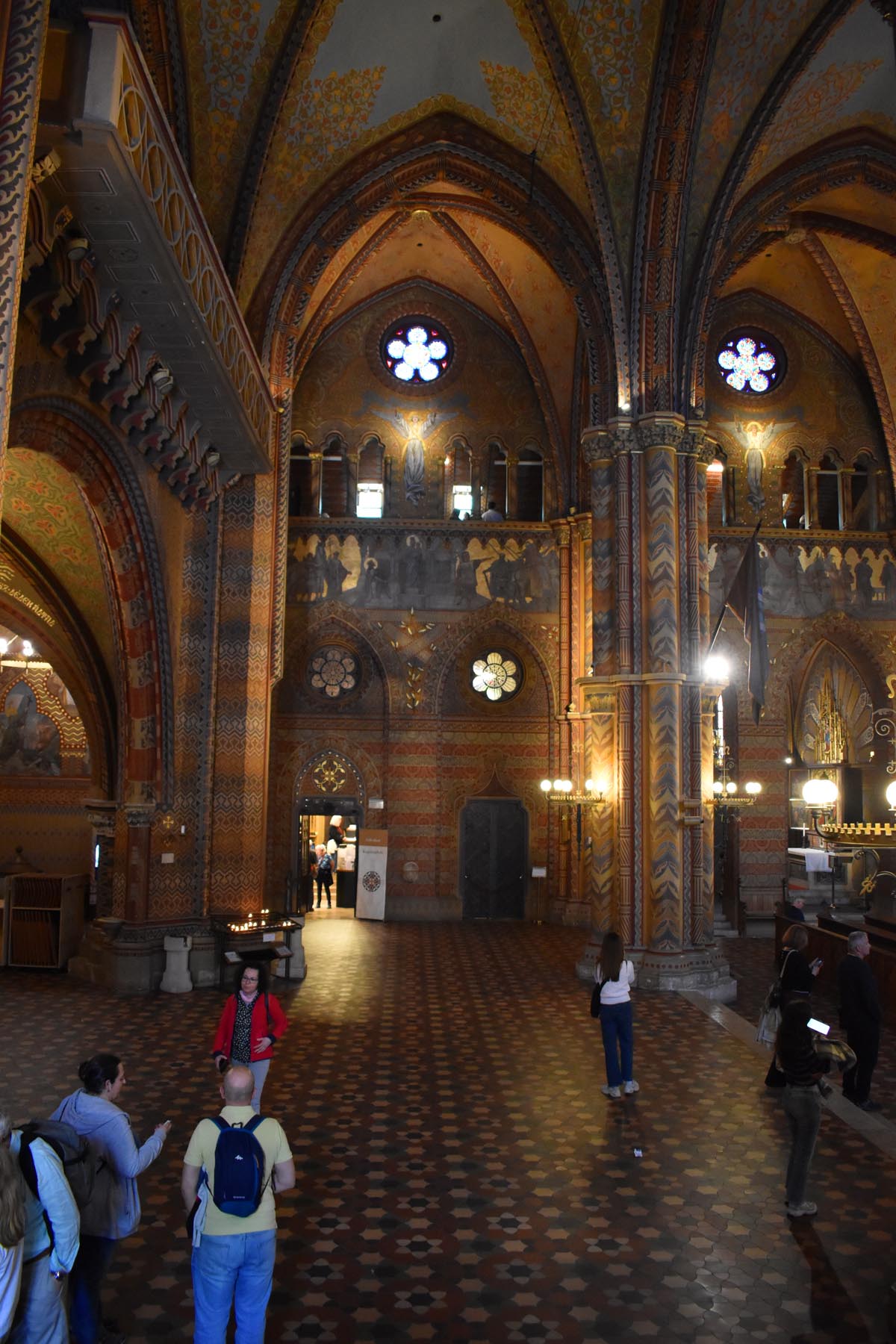
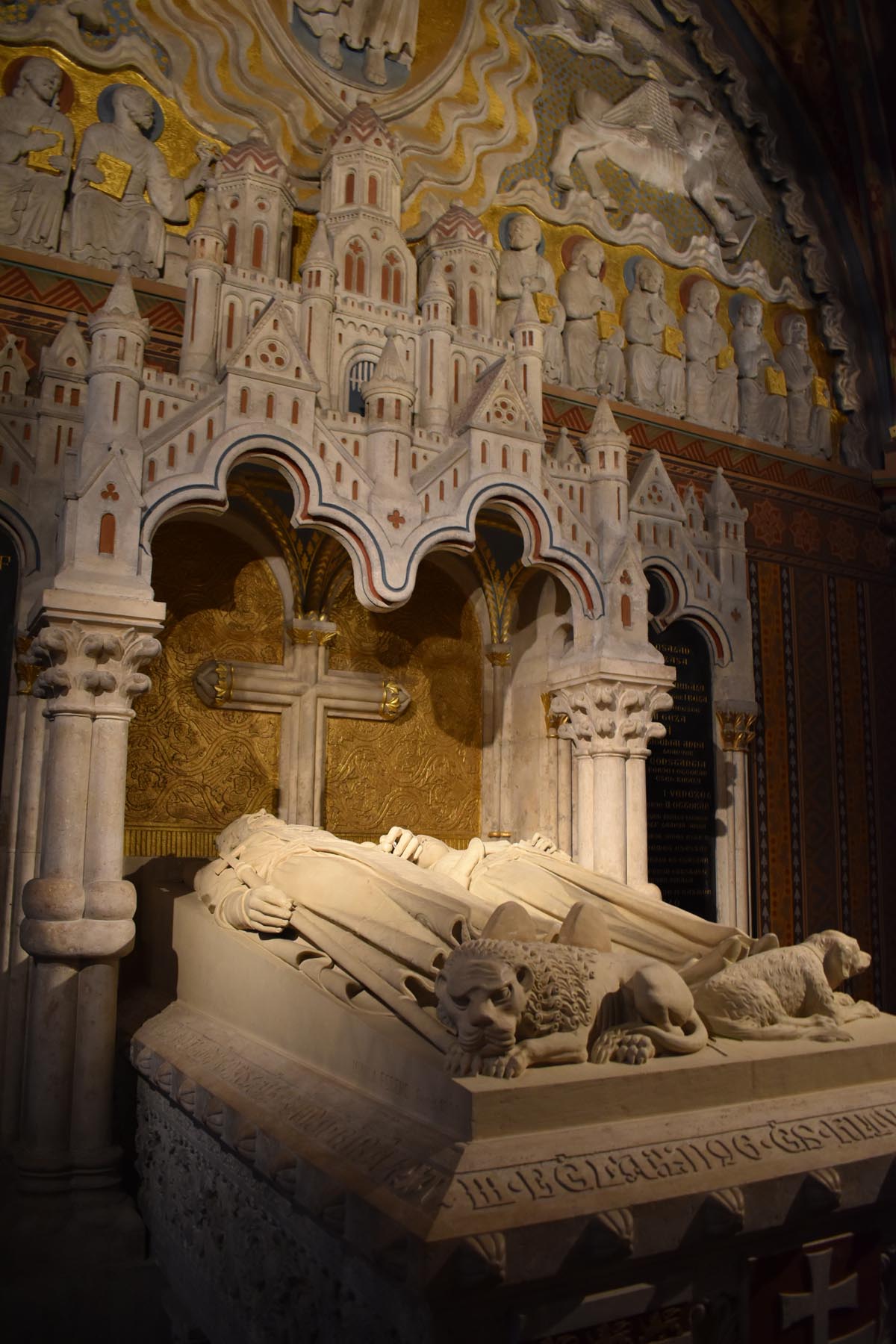
It is right next to the Matthias Church, a 14th century church on the site of the original church which was built in 1015. It’s a gothic style church, you do have to pay to go inside but it is very beautiful inside and worth a visit.
Perhaps the unsung highlight of Castle Hill are the catacombs, ‘the Labyrinth’. Quite different from anything else on the hill, this is an amazing network of underground tunnels which you enter (if you don’t walk past the door) and then explore and go as deep as possible into. Cameras are not technically allowed but I used the action camera whist I was in there and people are taking selfies at points. Not really sure why you wouldn’t allow cameras in a place like this. I visited in 2004 and 2025, last year it was far spookier because it was filled with mist and the deeper you went the thicker the mist got to a point where you needed to basically feel your way along because visibility was so poor. The price of around 13 Euro (5000 Forint) perhaps is a little high, but I thought worth it for this different and definitely ‘cool’ experience.
Finally, I got to revisit (as I was there also in 2004) Memento Park, which is an interesting and different place indeed. Once communism fell in Hungary nobody knew what to do with all these communist/soviet statues and busts, and so they put them all in this park which is somewhere in the outer suburbs of Buda. I had to take a train and then a bus (and I got on the wrong bus and had to go back to the train station and find the right one) to get there.
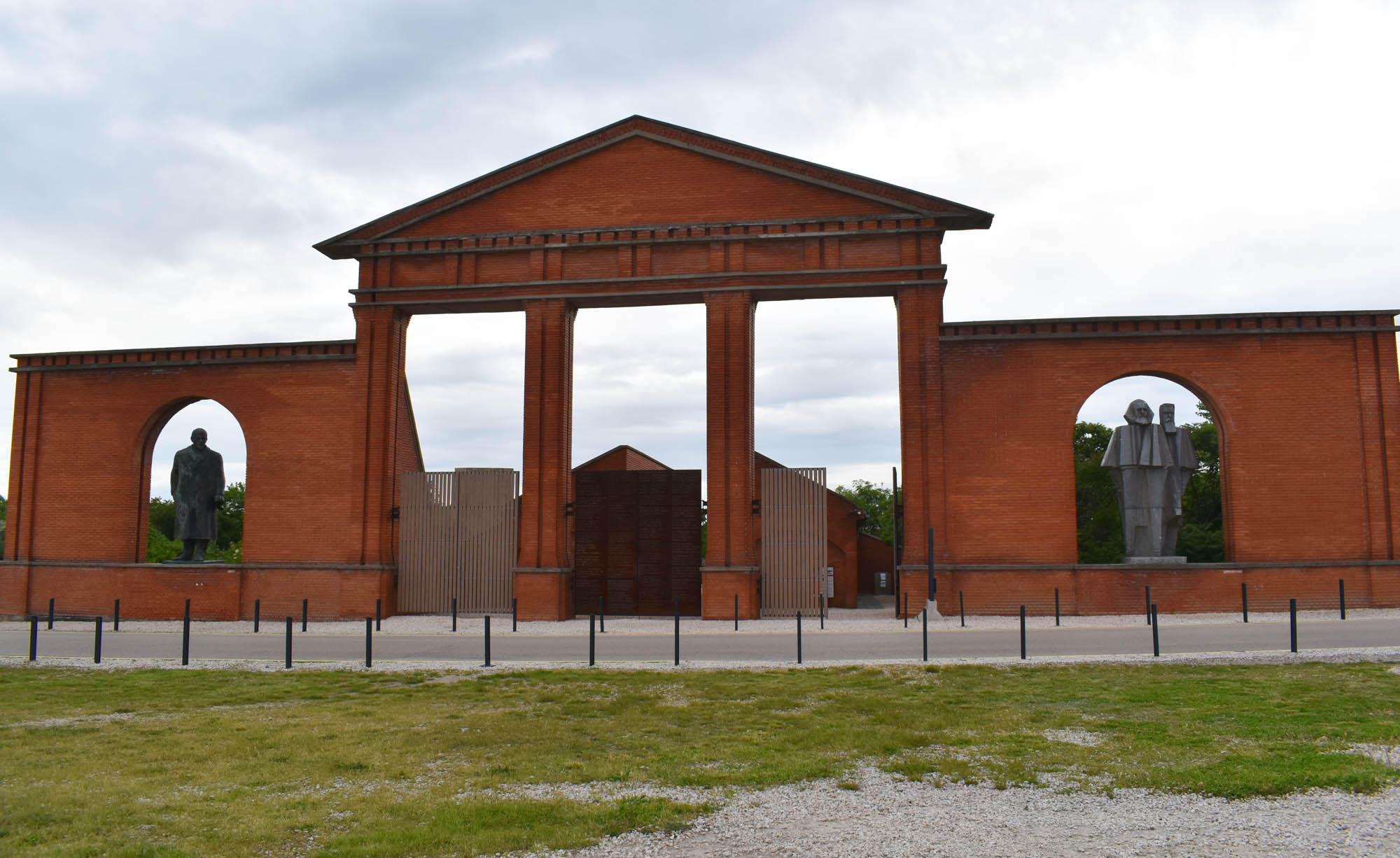
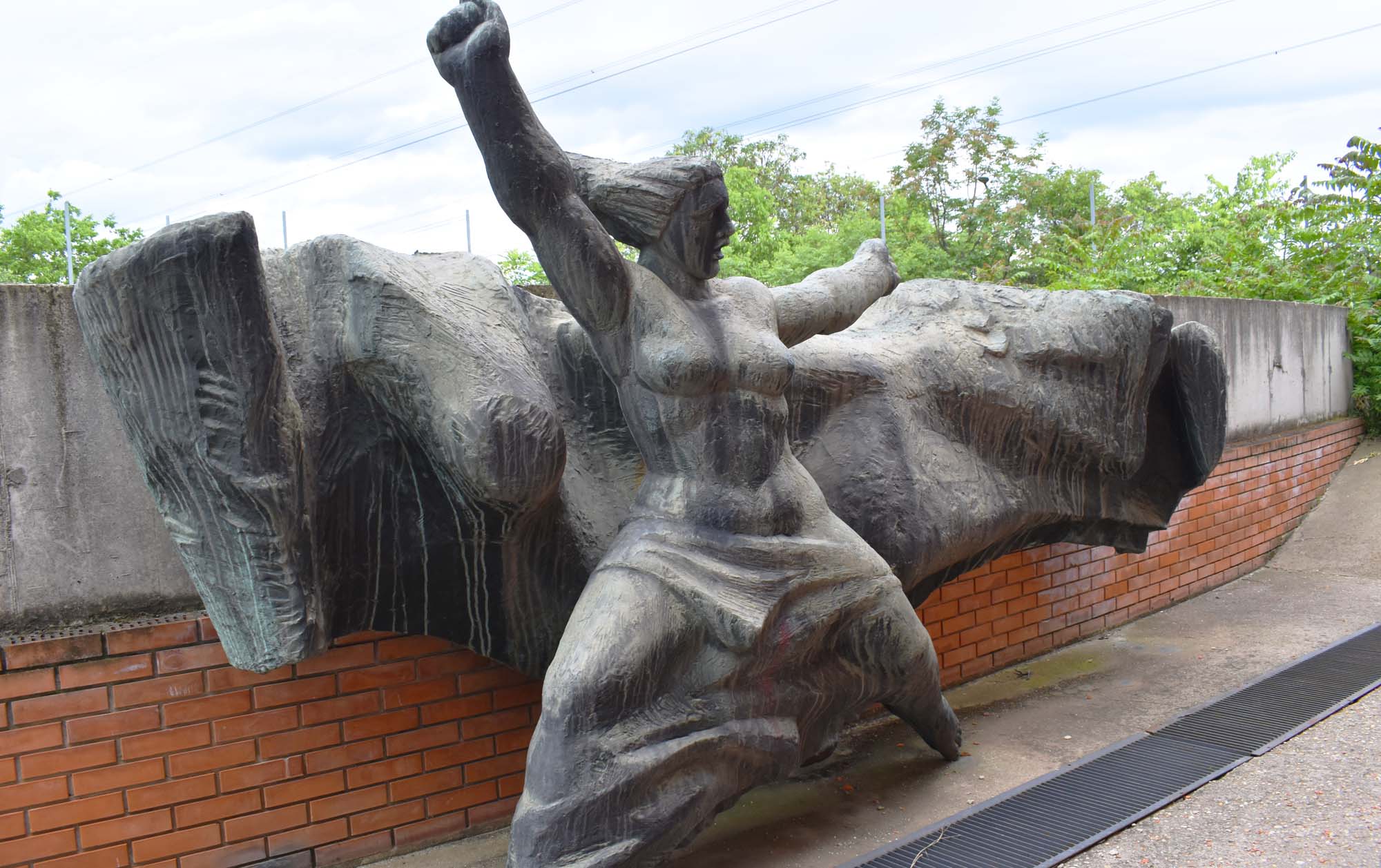
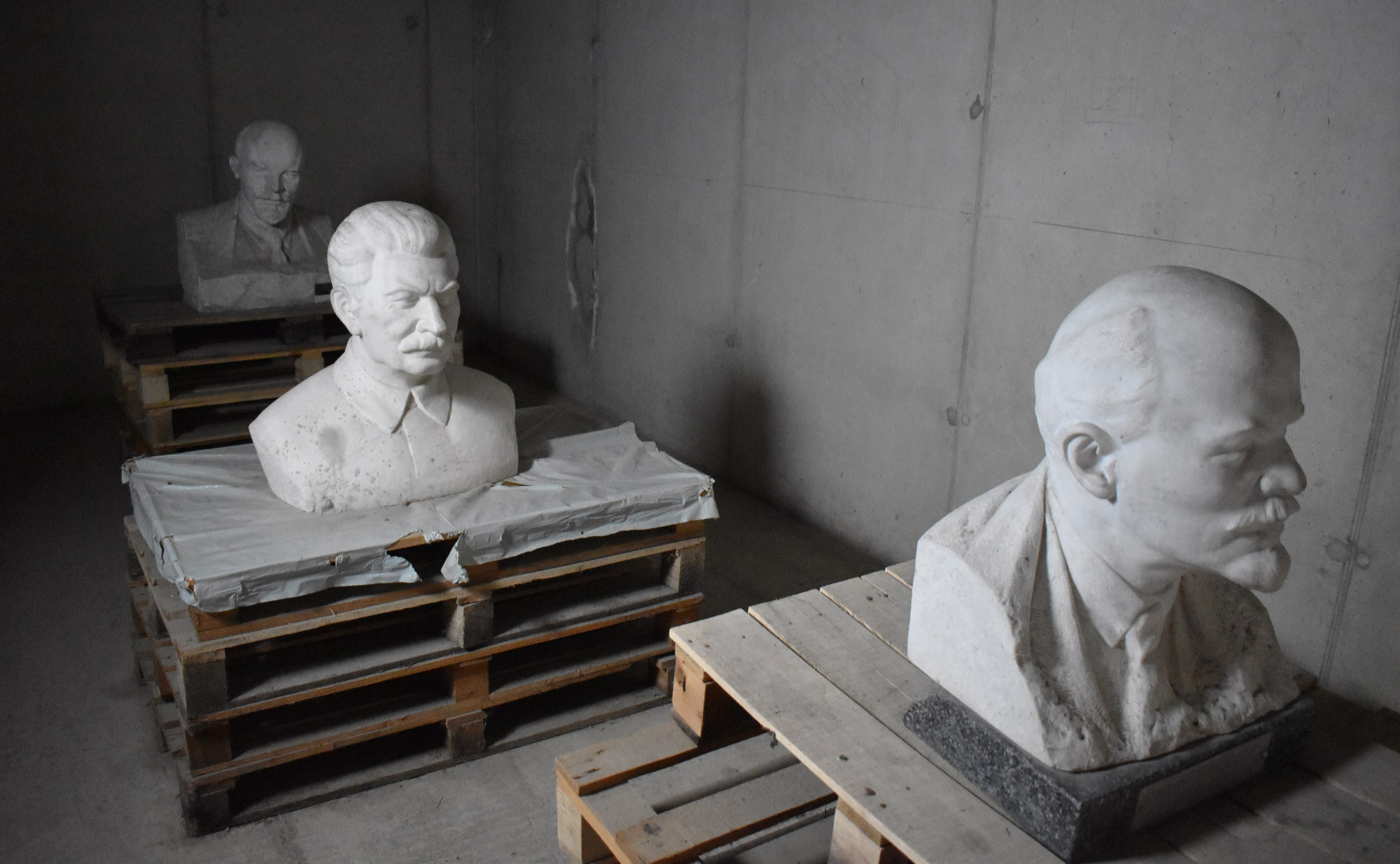
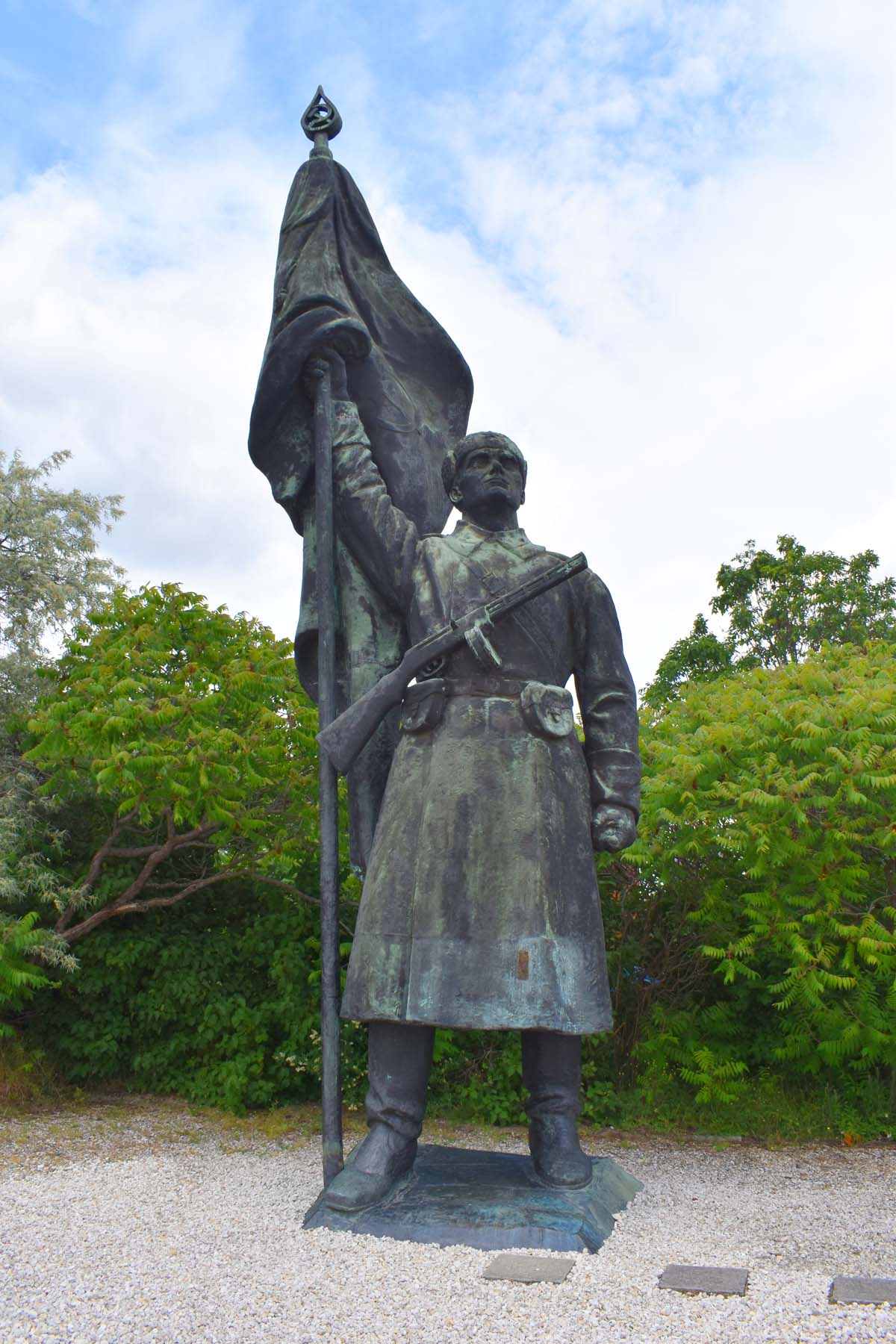
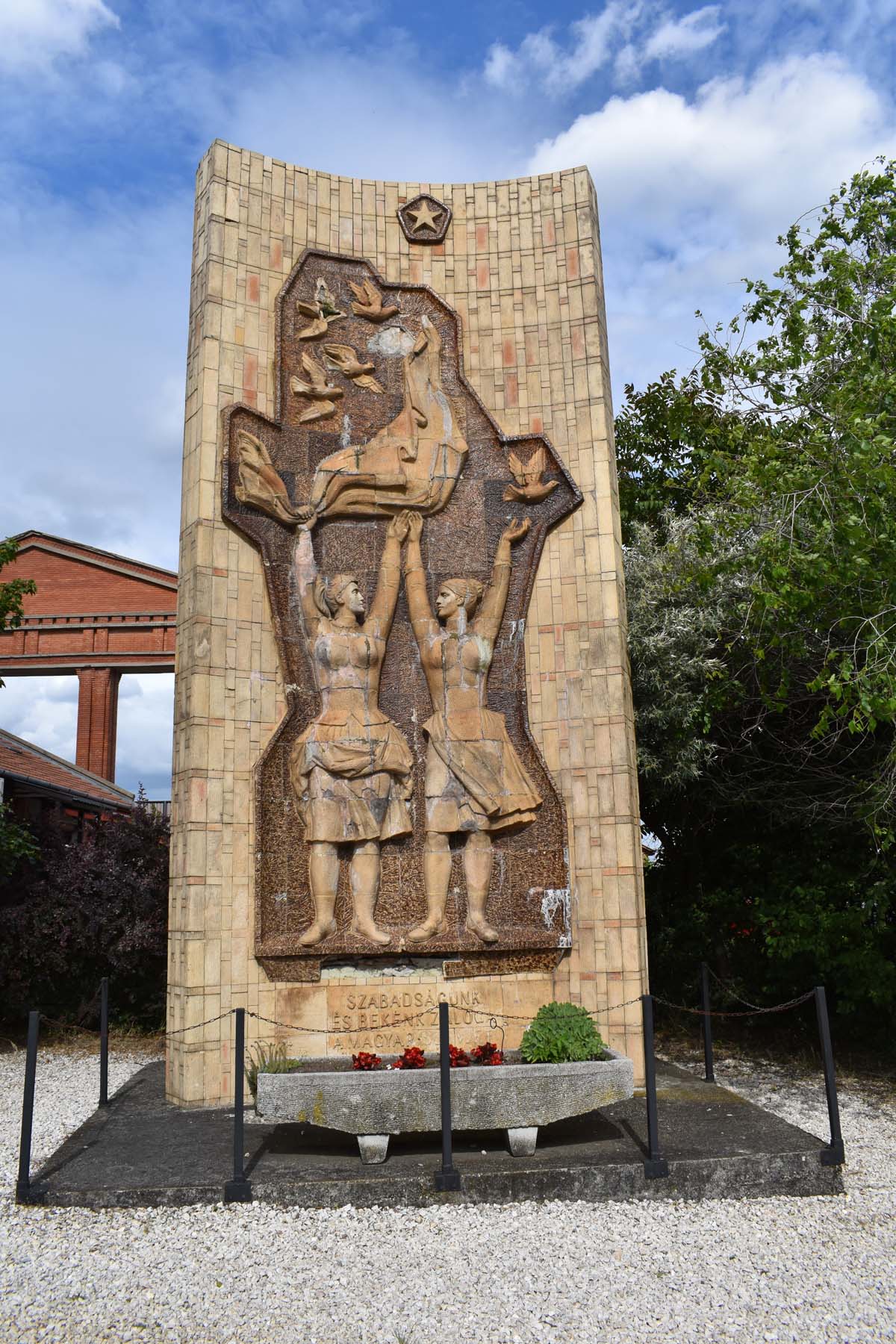
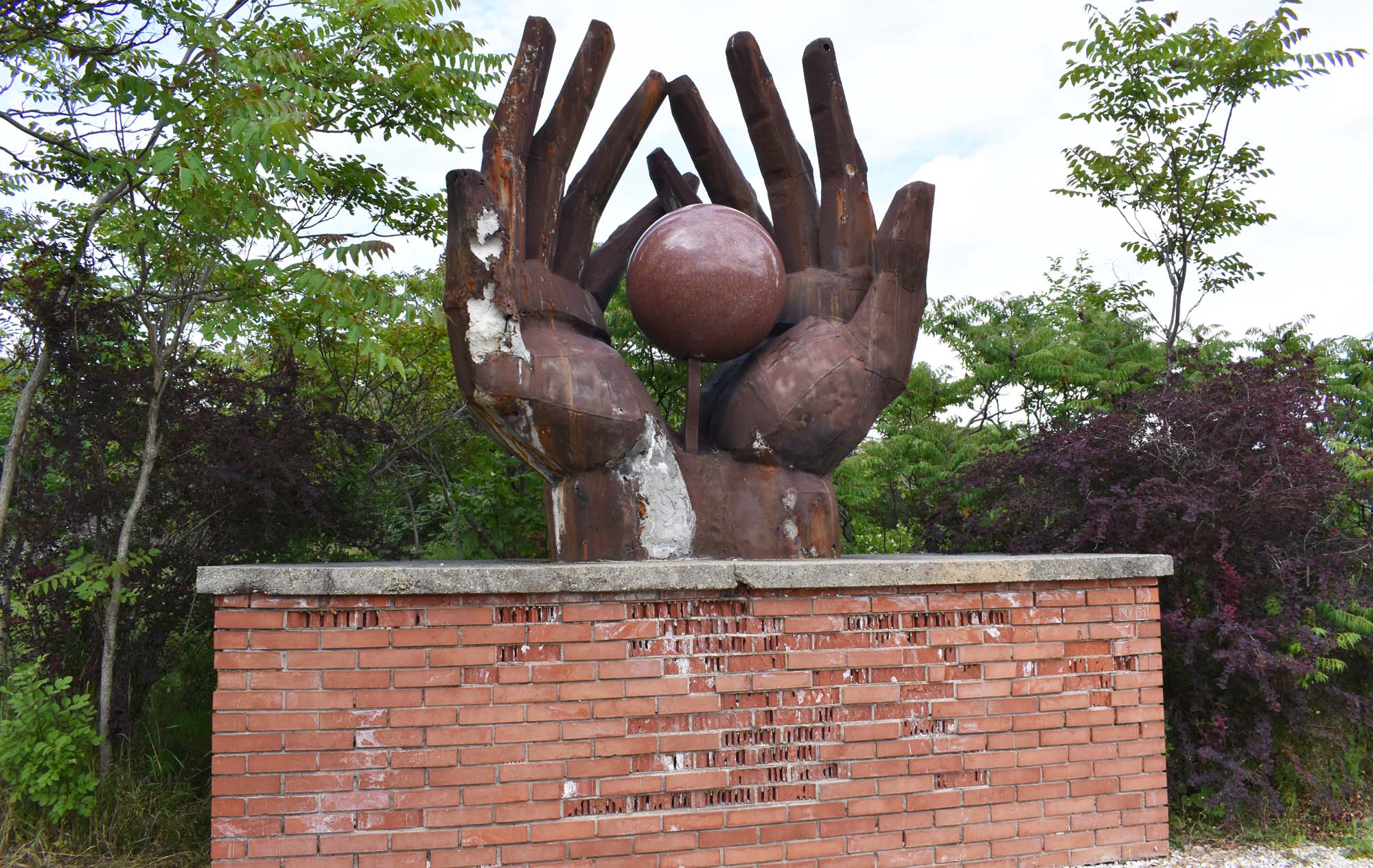
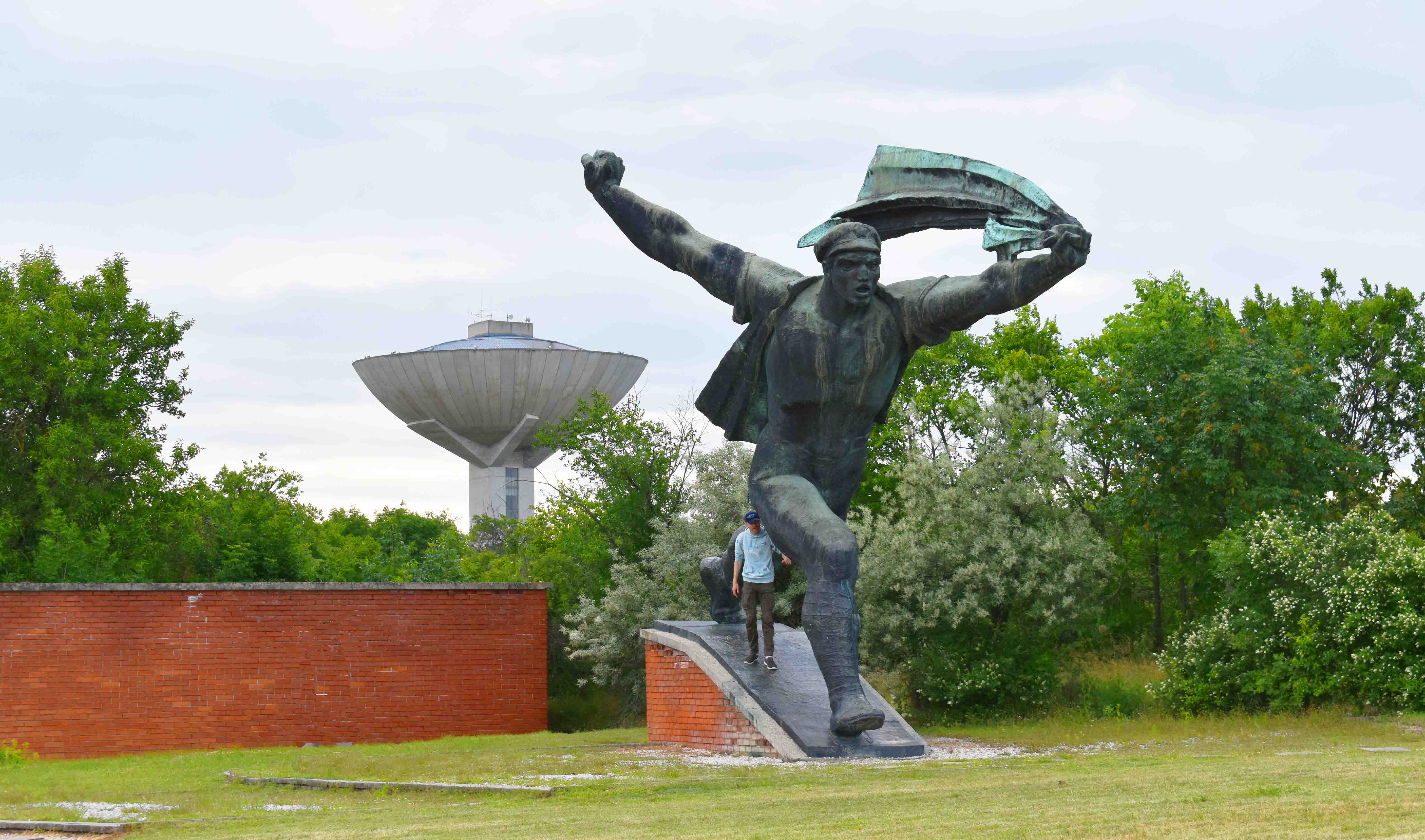
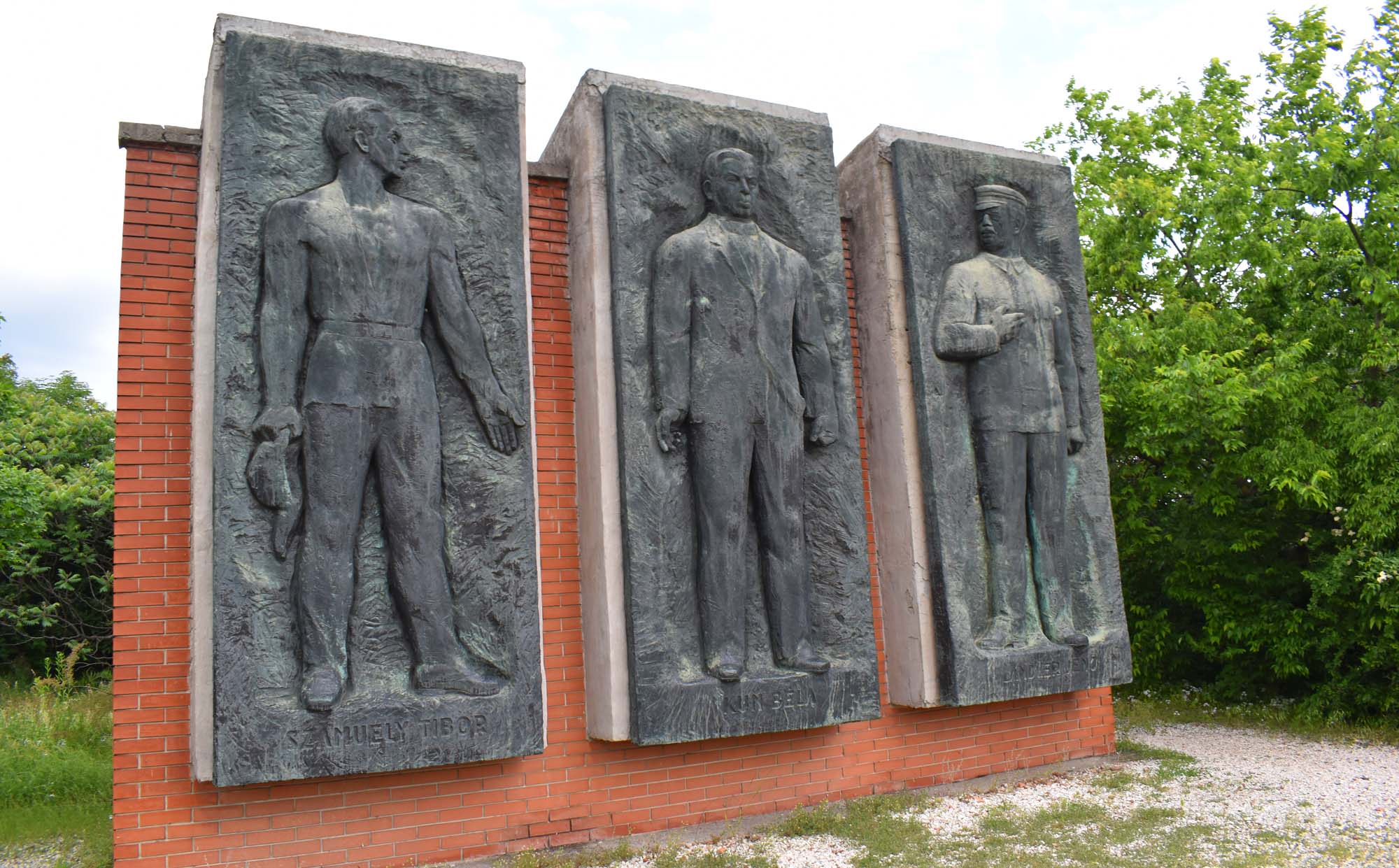
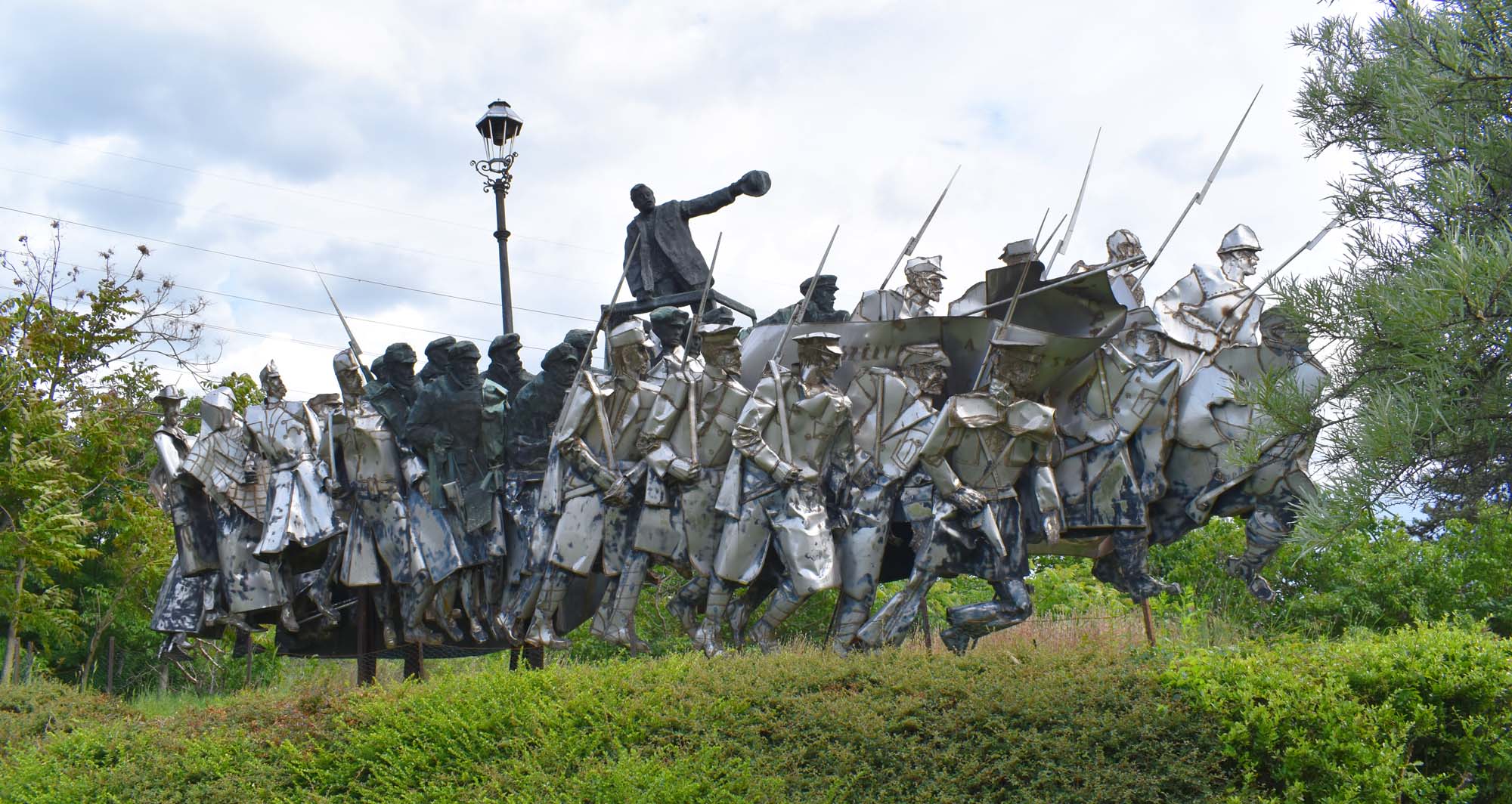
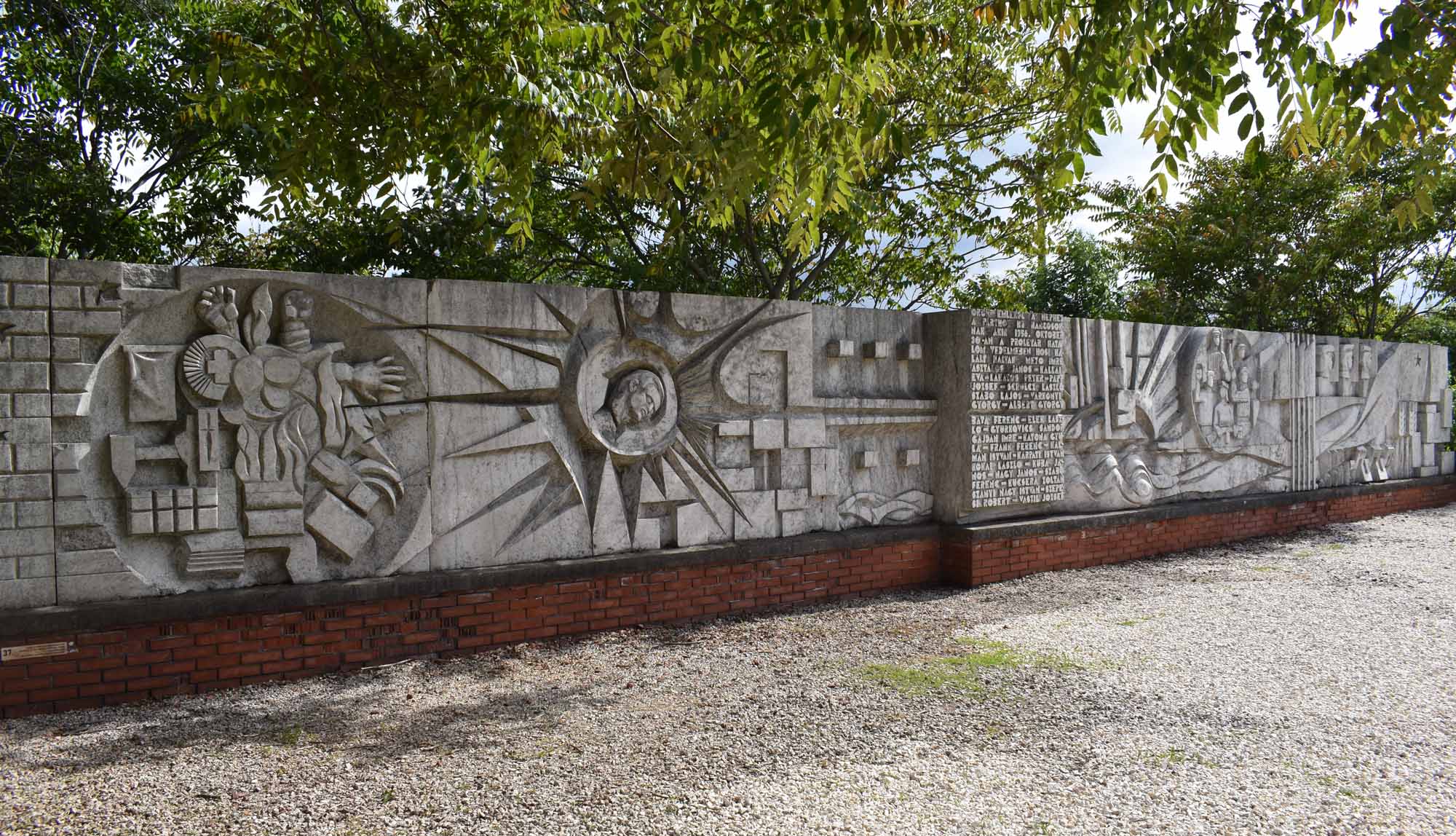
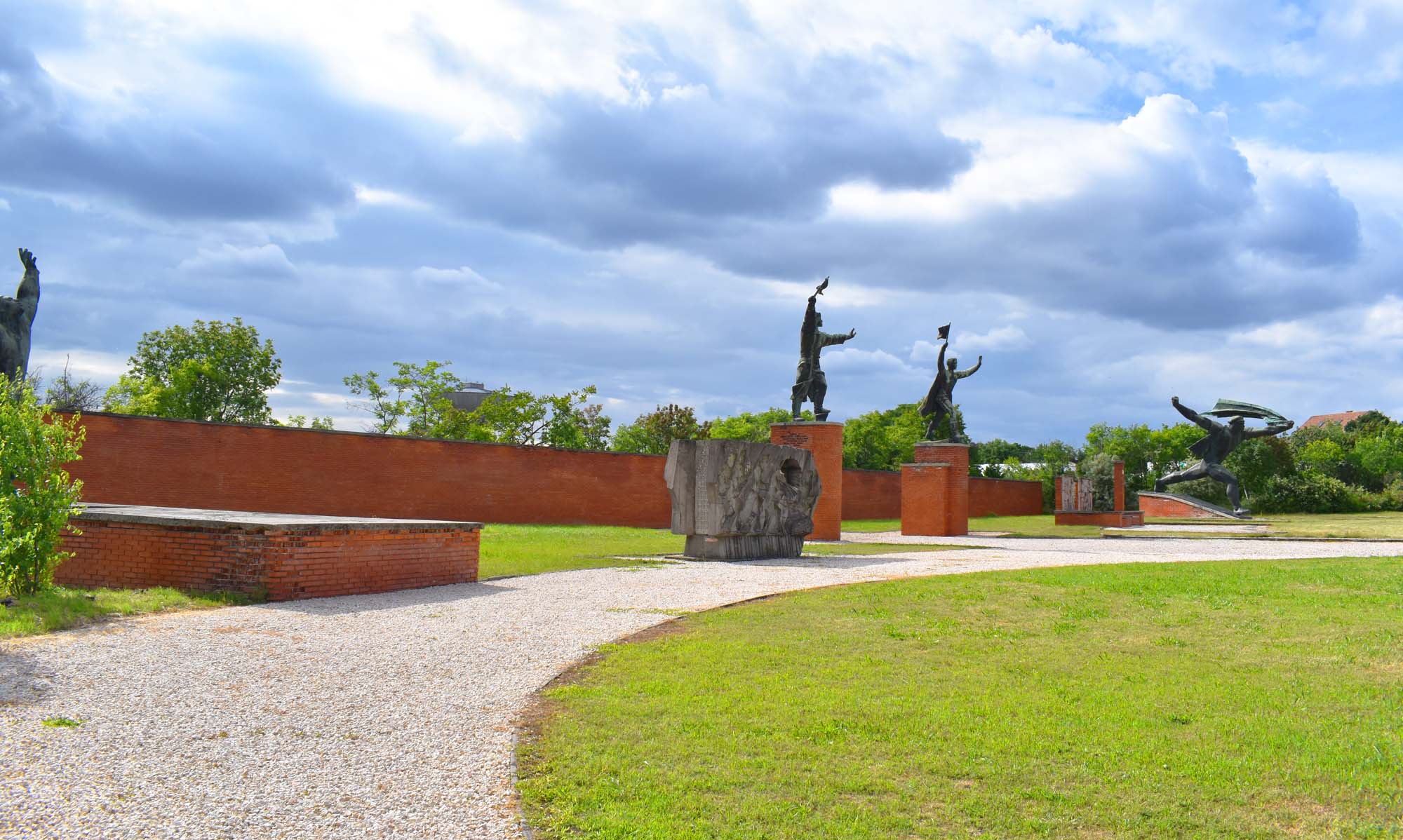
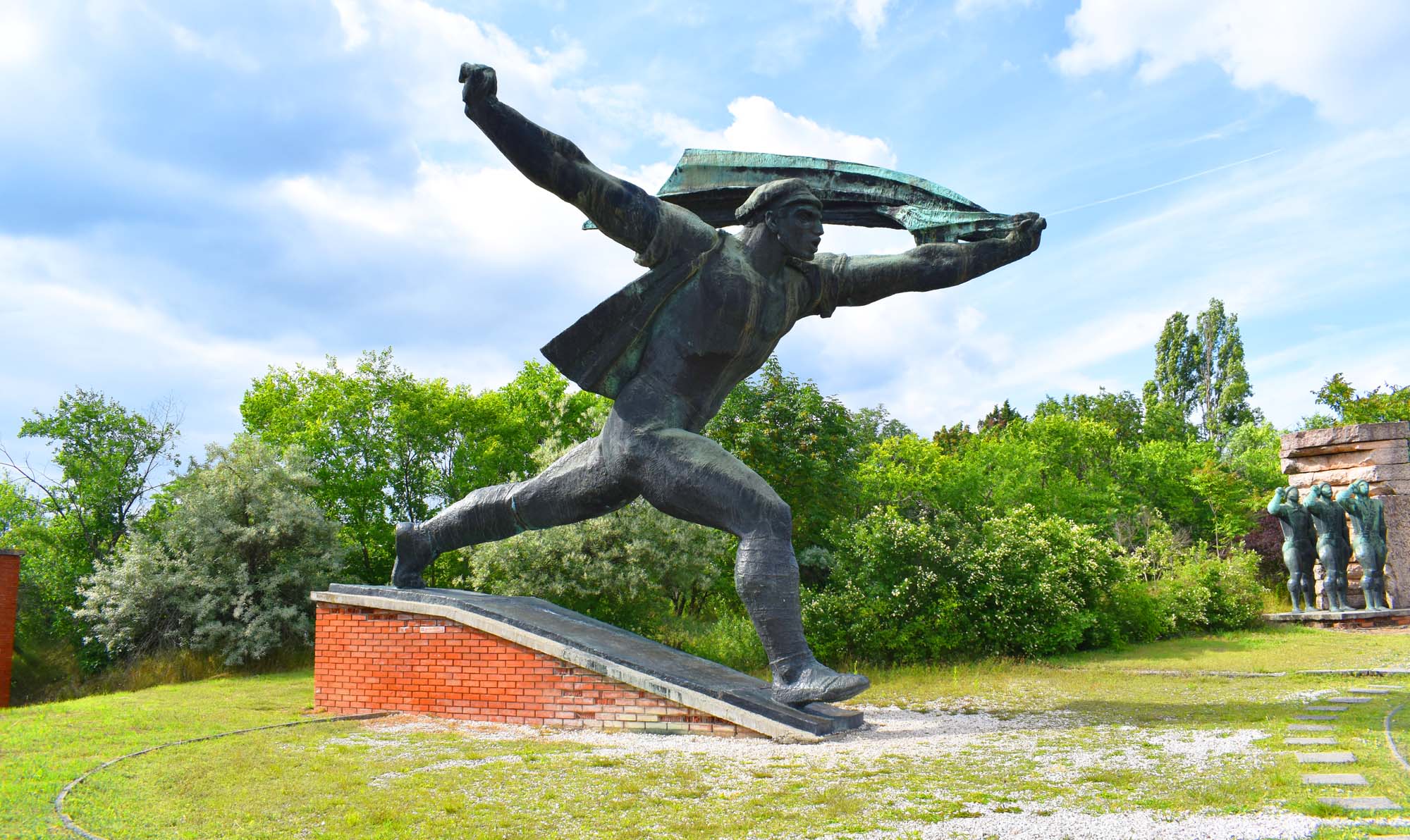
Then a short walk to the park, so it’s definitely not in the centre of town! But make it I did, and spent a good hour there marvelling at prolific and overbearing statues of famous communist figures, some of which I knew (Lenin, Stalin), others I did not. There’s also a little museum attached in a ramshackle building that is worth 10-15 minutes of your time and film you can watch too. Many of the statues really embody the feeling of communist times and are dark and haunting. If you have the time do head out here for something, again, rather different.
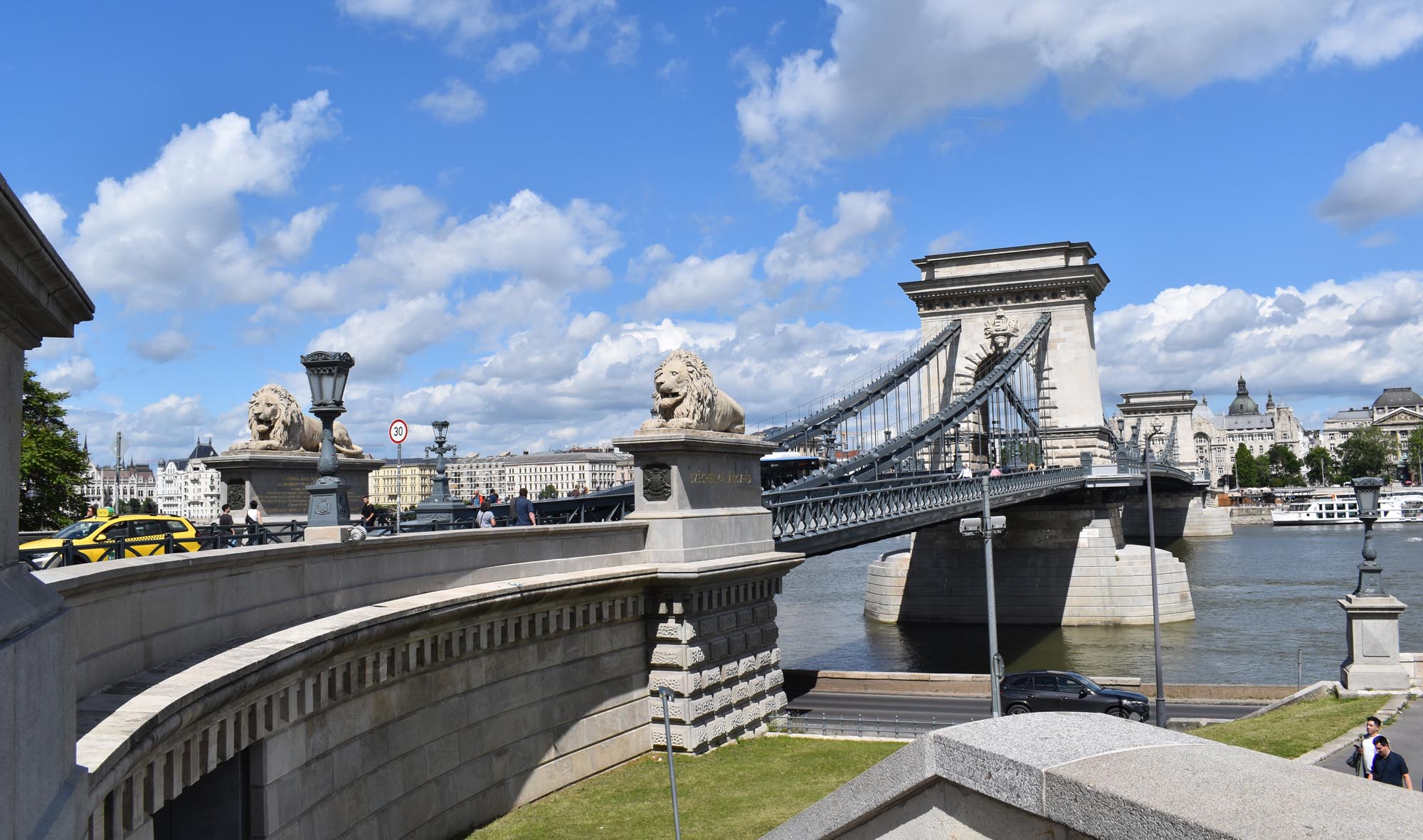
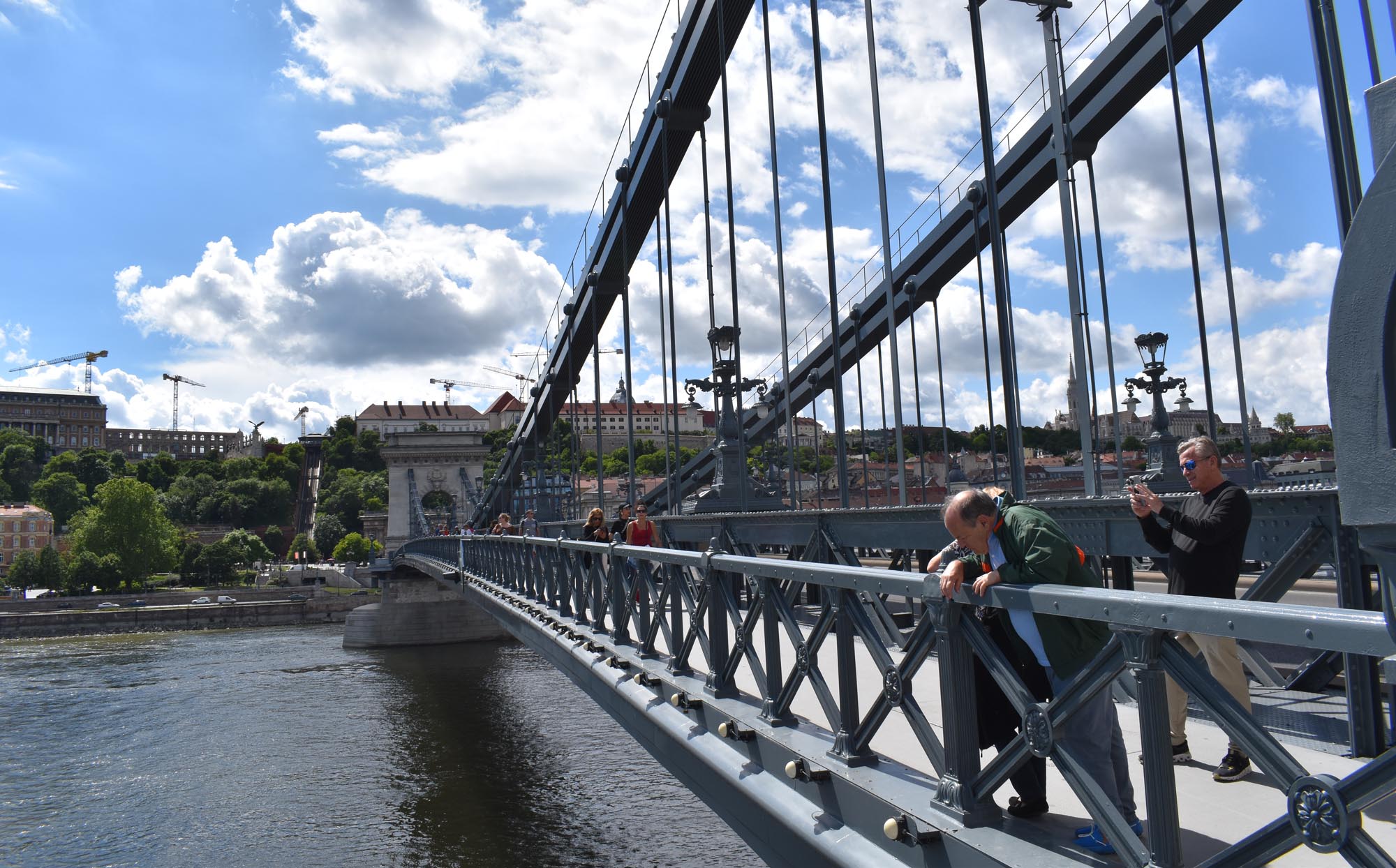
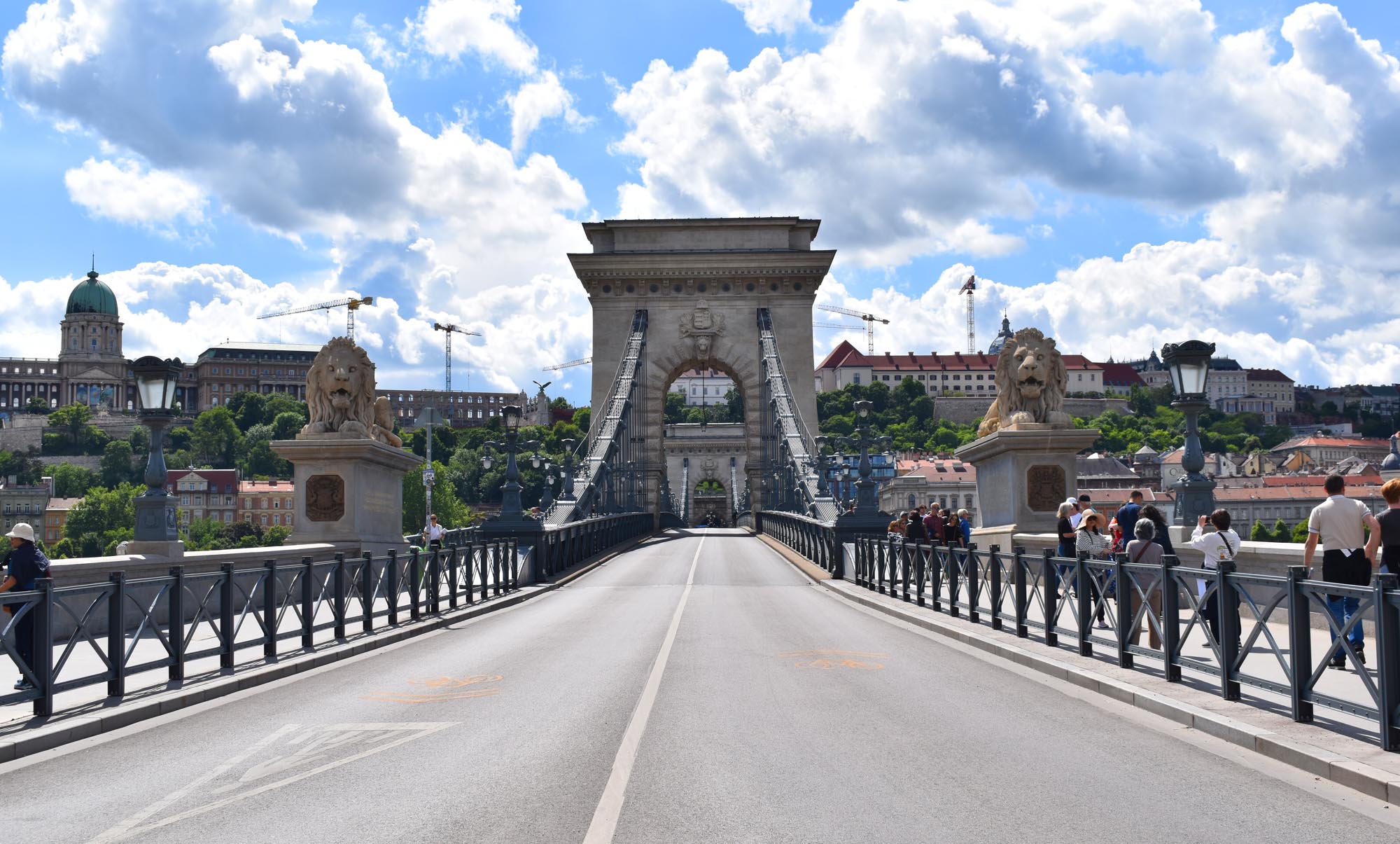
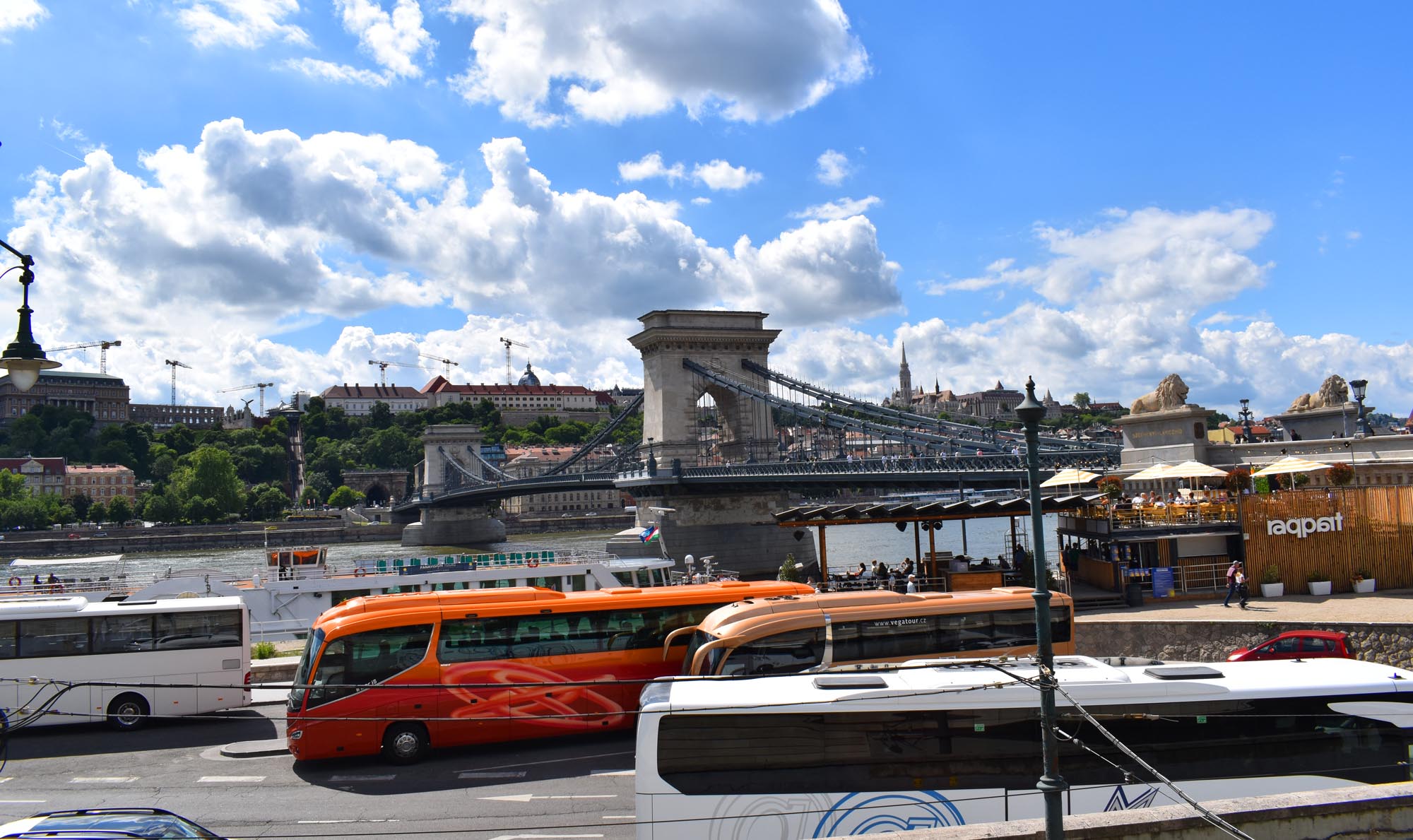
And thus endeth my summary of what I have seen and experienced on the side of the Danube known as ‘Buda’. Thanks for reading today and stay tuned for crossing the river via the Széchenyi Chain Bridge to Pest. This bridge is worth crossing by foot if you get the chance and is the most famous bridge in the city, lions at either end and constructed between 1840 and 1849. Total length of 375 metres and it is indeed a chain suspension bridge and a city landmark.
Take care wherever you are in the world today – May the Journey Never End!


Explored Buda but we didn’t go to castle museum. Great photos
As you point out, the Château is still undergoing reconstruction. Between my last two visits, I was surprised to see new buildings from the past reappearing. Much like in Berlin, there is a desire to return to the way things were before the Second World War.
yes they are building and reconstruction!
Ah, interesting to see you’re not a big fan of Budapest as it’s one of my favourites!! Different strokes for different folks. 🙂
I’ve not even heard of the Labyrinth which is quite funny because I actually went caving under the city, so there are some real deep tunnels that I’ve been in and I didn’t even know about these more accessible ones! Adding that to my list for next time.
I dont dislike it but i didnt really vibe with it, and I was sick most of the time I was there. But its a very impressive city packed with things to see and do