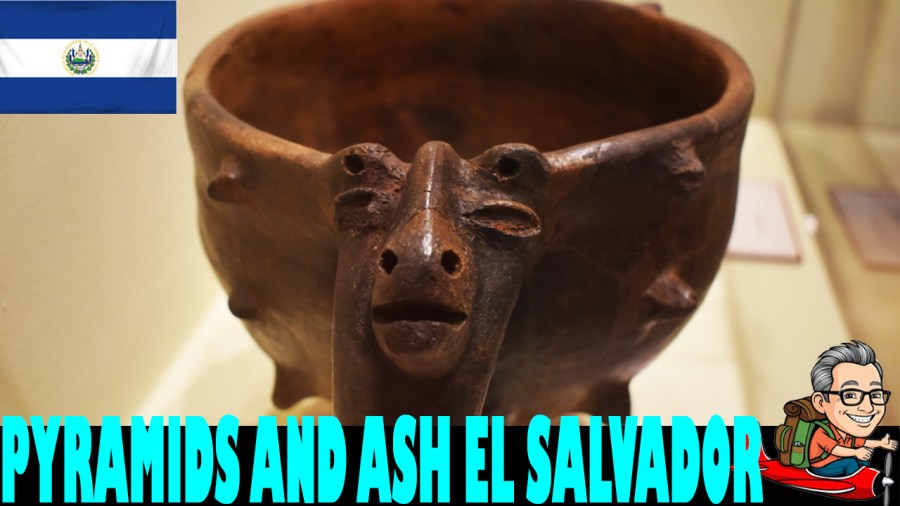
G’day folks. Today’s post continues on from the previous one earlier this week where I wrote about the city of Santa Ana, in the north of El Salvador. Now, as amazing as these places are, the important thing if you are visiting as an independent traveller rather than on a tour is to get the transport right.

Graham and I visited both in a single day and it is quite doable, although these two sites are in different directions from Santa Ana where we were based. Both are reachable by buses, but we did a combination of buses and Uber taxis, which are pretty affordable in El Salvador when you have two people.

We went to the ancient Joya de Ceren first, and we took a local bus in Santa Ana from the main downtown bus station TO the Tudo bus station. We told that a bus left from the main bus station, but it did not, at least on that day. This local bus took us to the Tudo bus station, where the buses for other cities including the capital San Salvador depart from. You want to catch a bus but NOT an EXPRESS bus TO San Salvador.
You are best to ask for the best stop for Joya de Ceren, or Sitio de Nino where you need to get off the main highway, cross over to the other side of the road and find the service (petrol) station for the local bus that will take you to the doorstep of the archaeological site. I think it’s the UNO station close to this big circular intersection, but make sure you get off at the stop BEFORE this intersection as because of me we didn’t, thinking there would be a stop AT the intersection. There is not. It’s kilometres up the road, so we got an Uber from that stop direct to Joya de Ceren, about $15USD.

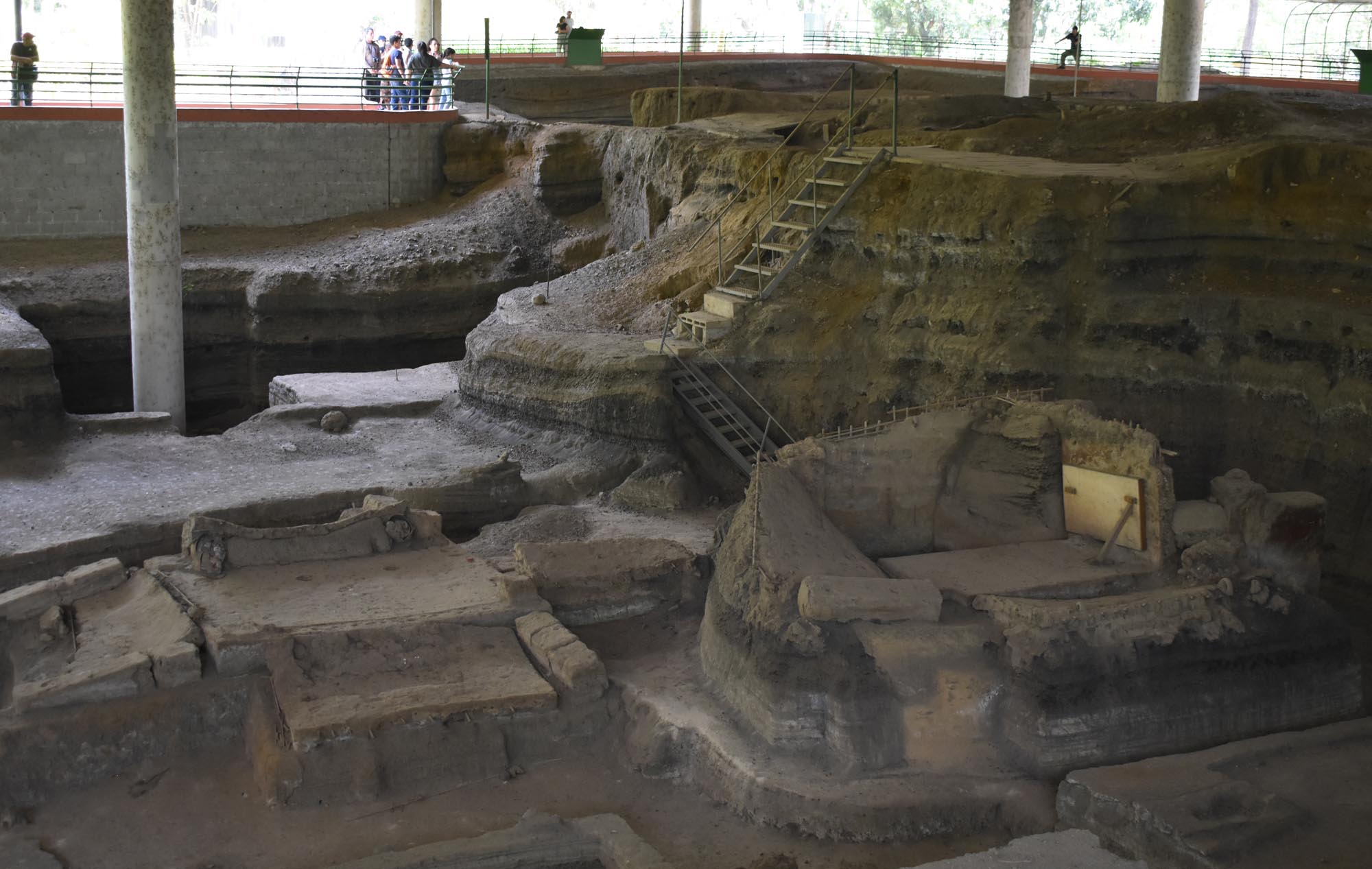
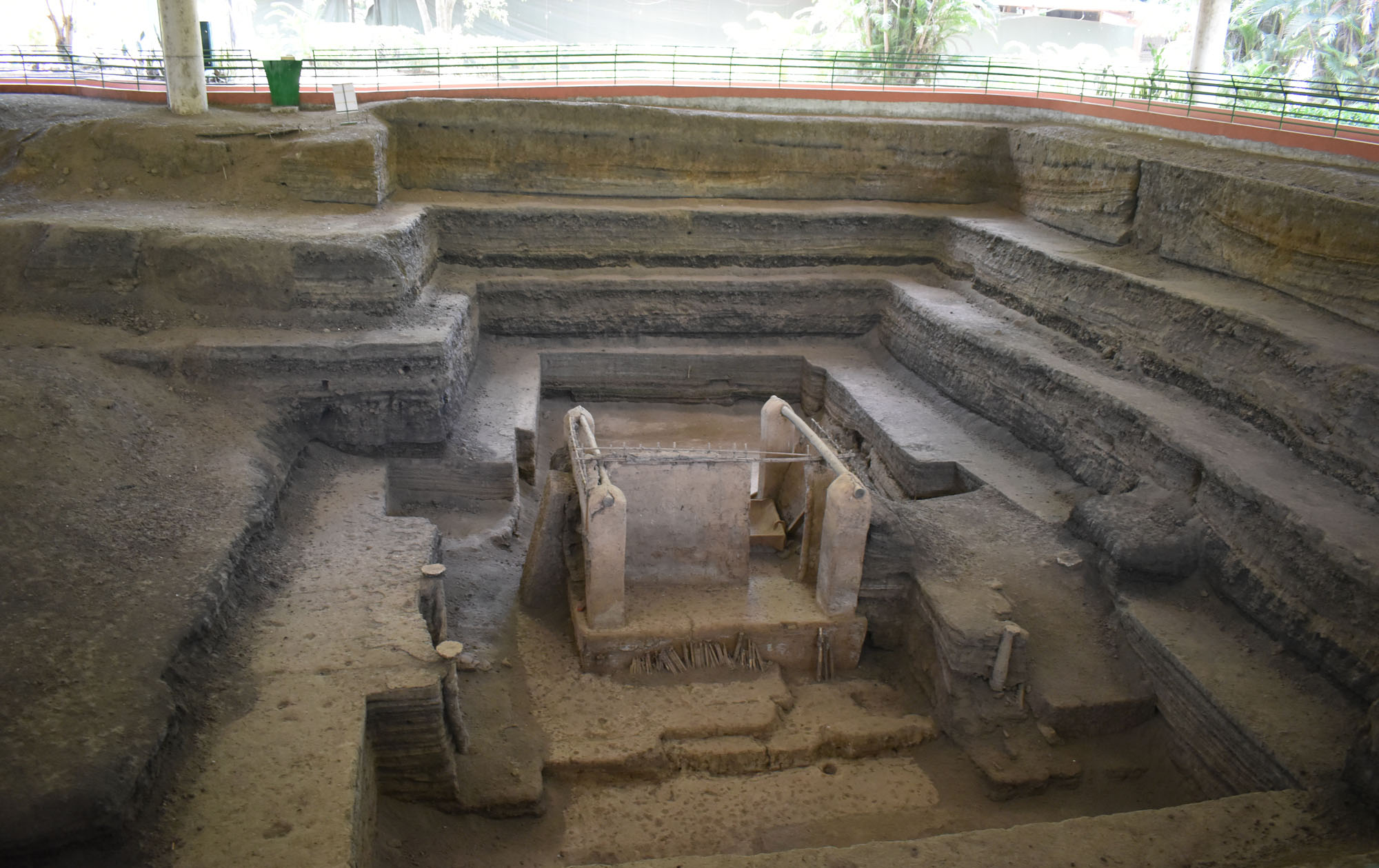

The site is well curated and amid a lovely tropical garden. There are two parts to the site, both covered by rooves and chicken wire to stop birds from getting in. The site dates back 1400 years and was designated a UNESCO World Heritage Site in 1993. Around 200 people lived in the village, so it’s not like it’s a royal site or anything like that. Around 600AD the Loma Caldera Volcano erupted and as much as 10 metres of ash and volcanic debris buried the village, hence it is sometimes referred to as the ‘Pompei of El Salvador’, or something similar.
It doesn’t take a LOT of time to wander around it, there is signage to indicate what the ruins were, but it is pretty well preserved and worthwhile. There’s even a sort of sauna building, recreated, outside the main ruins which you can climb inside. It’s more like a cross between a wood-fired oven and a hut, to be fair, but it’s kinda cool.
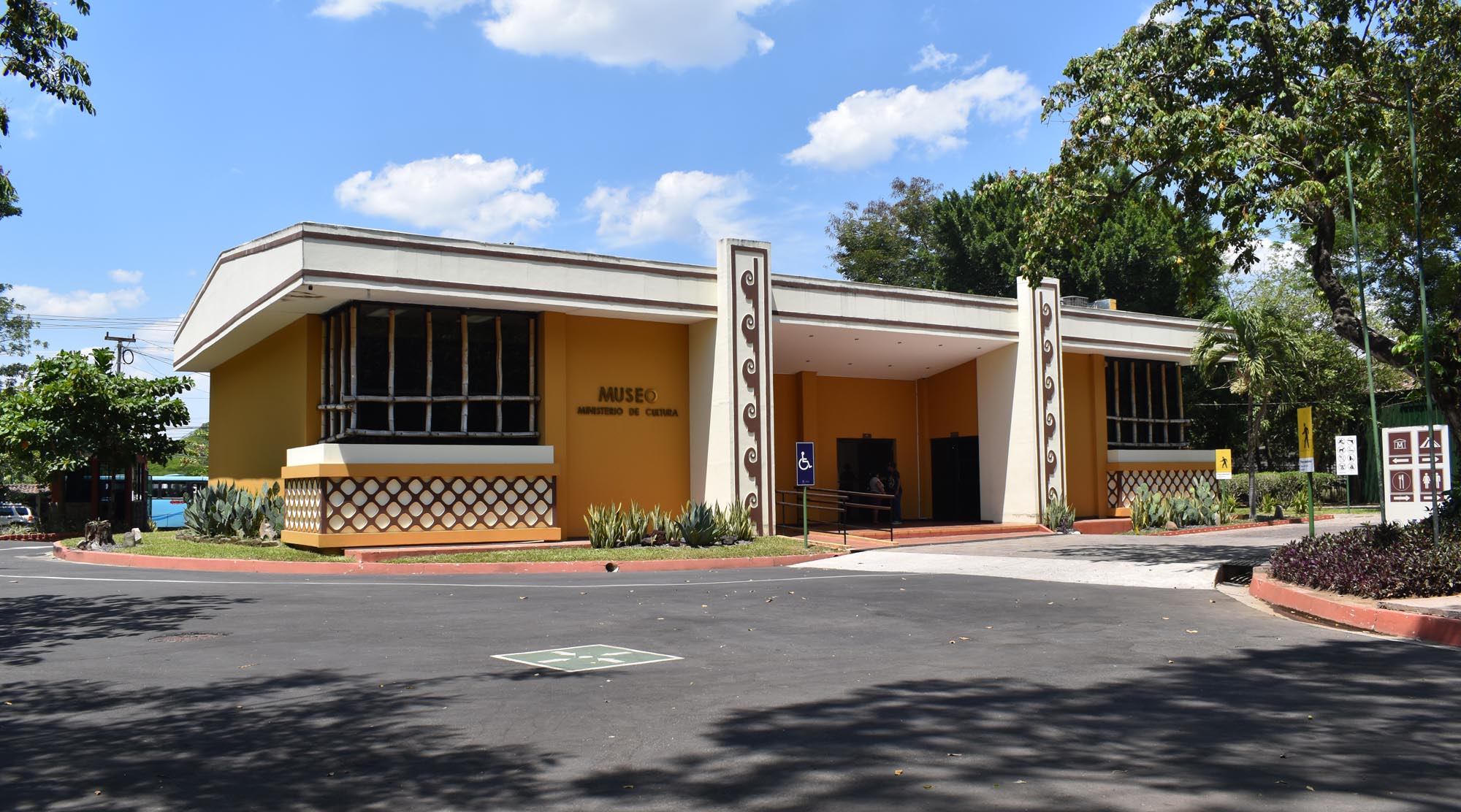
The cost for the site was $10USD and sixish months later the interweb says that’s still the price, which is kinda the standard price for a lot of entrance fees in the region. There’s a small museum also near the entrance which has stuff they exhumed from the ground, cleaned up and put on display. Won’t take long to have a bit of a peak in there!
THEN it was time to go to Tazumal. Joya de Ceren is south-east of Santa Ana, Tazumal is much closer (at least an hour and a half to two hours ore more by public transport to Joya de Ceren) to Santa Ana, less than half an hour by taxi. We took the local bus which has a station right outside the ruins, it was leaving as we left so perfect! Back on the main highway we had a bit of a wait for a bus headed to Santa Ana. As we were entering Santa Ana, we got off and grabbed an Uber before getting right into the centre of Santa Ana. There is public transport but time was running out, and this worked out pretty well for us.
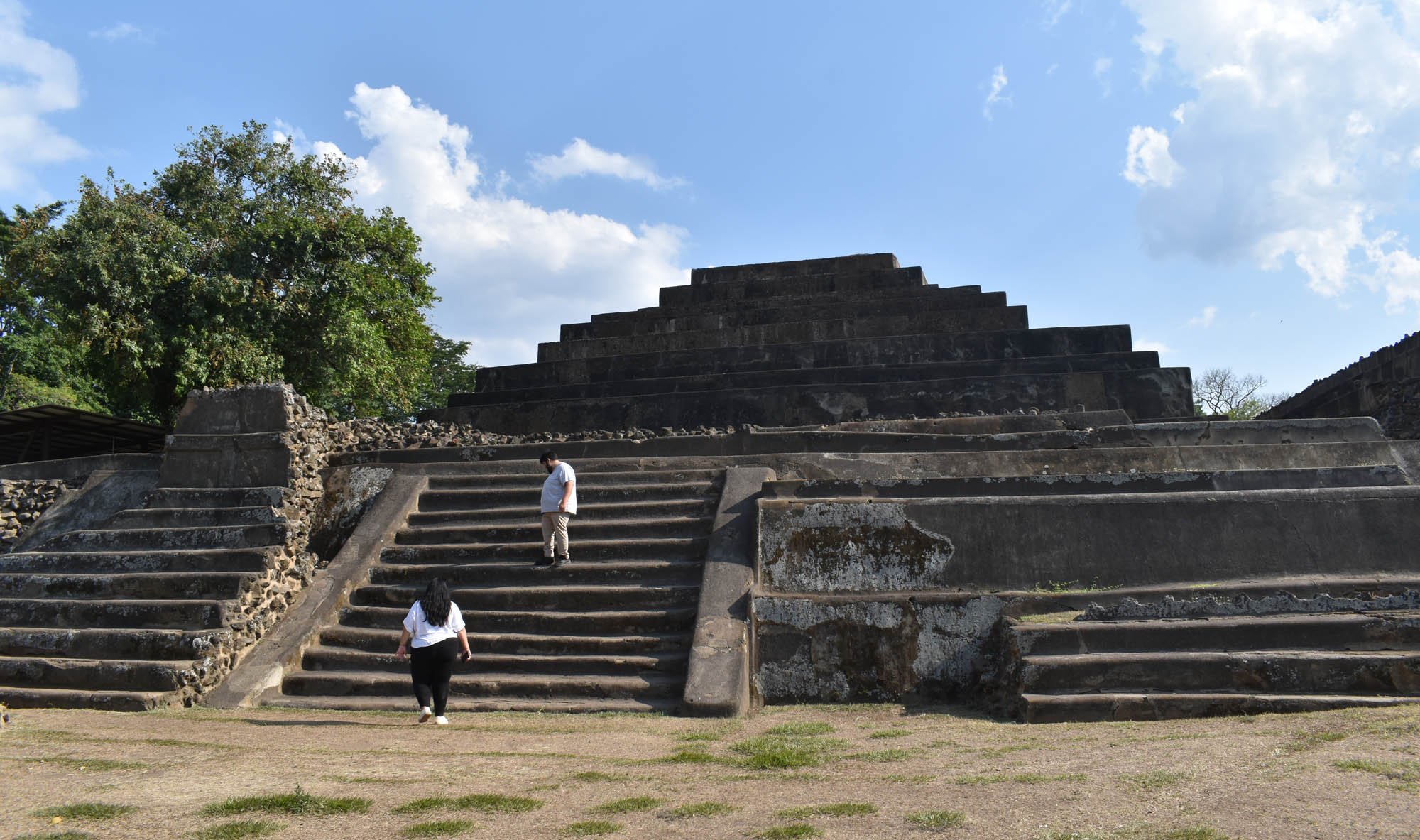
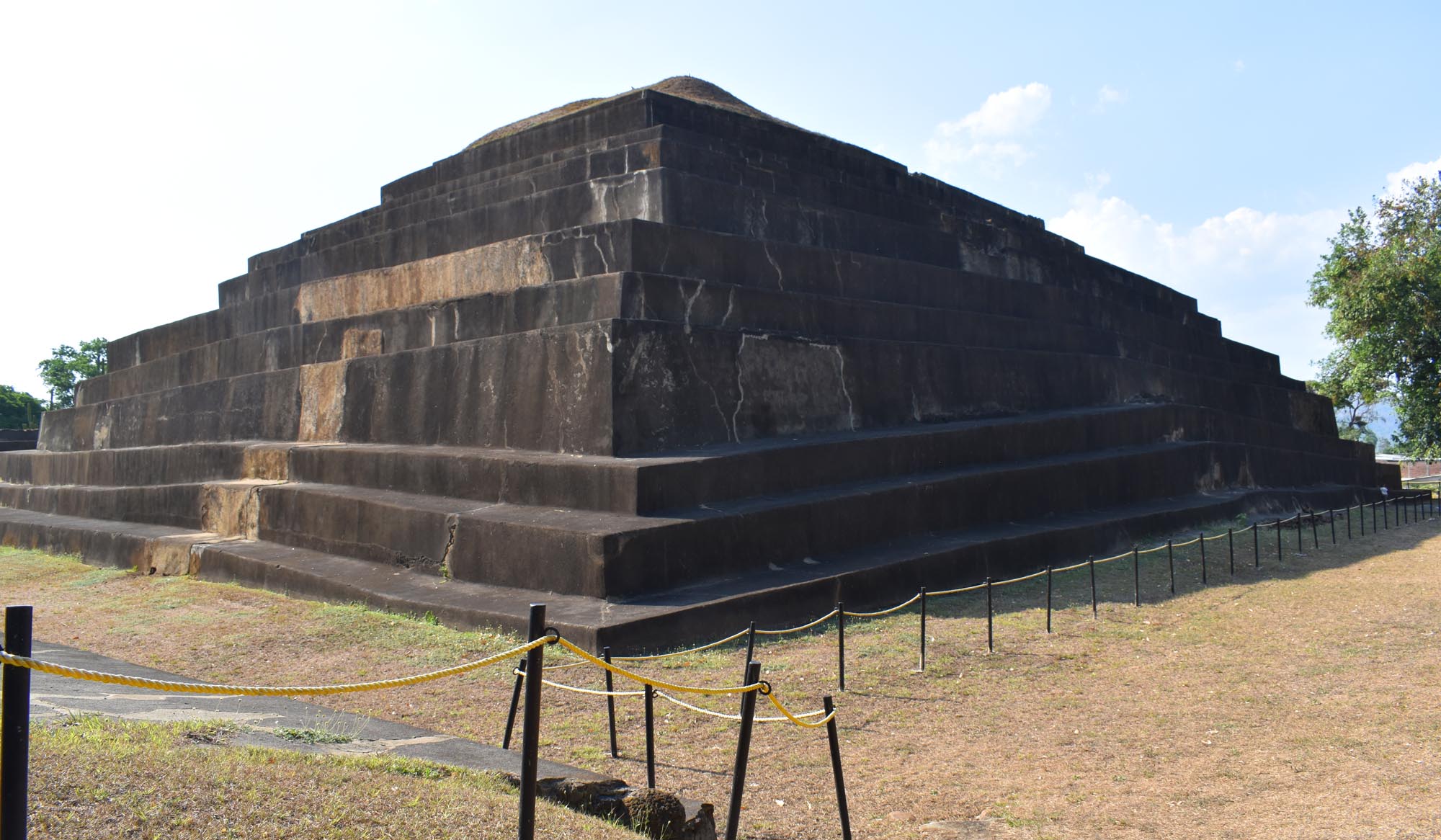
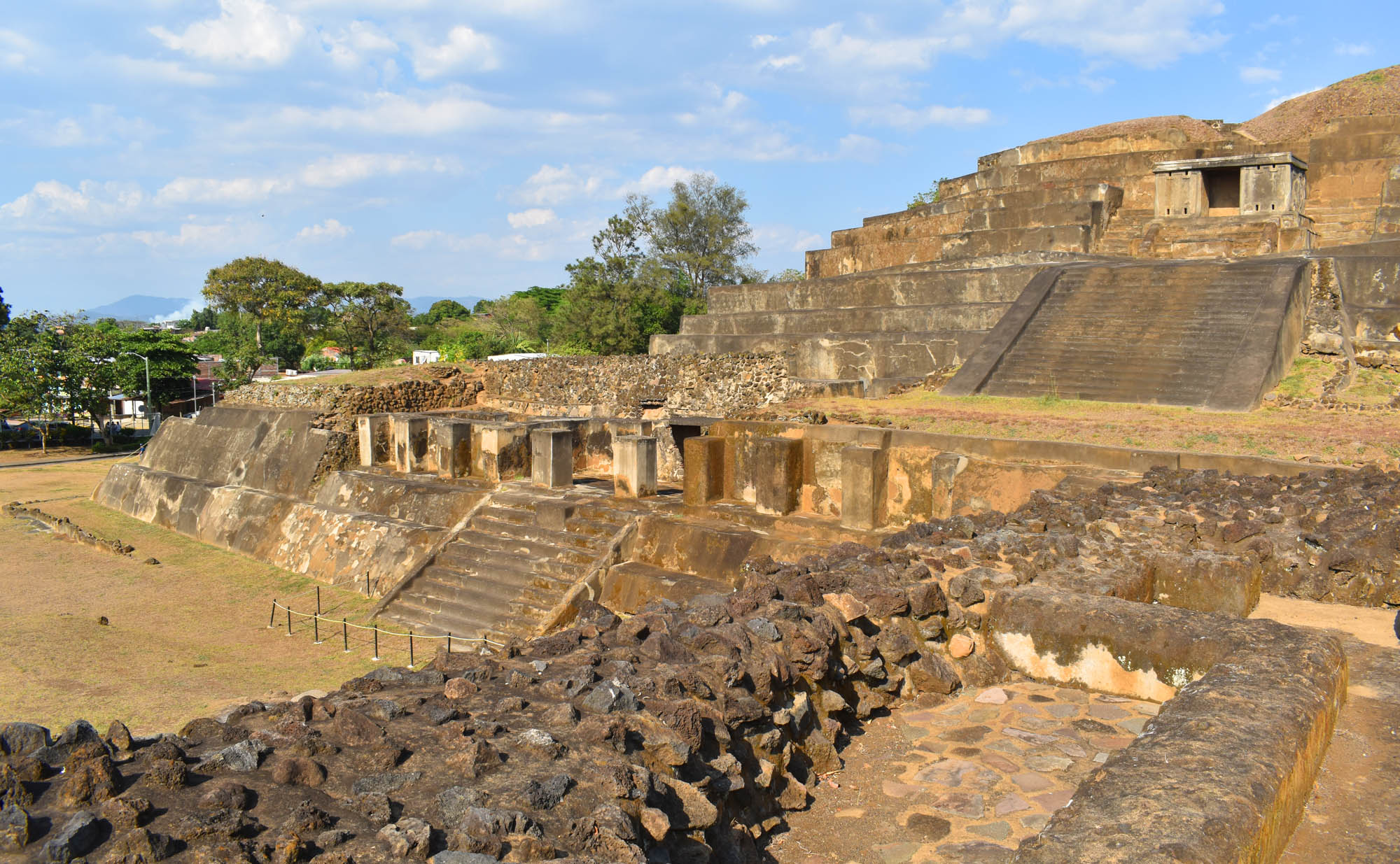
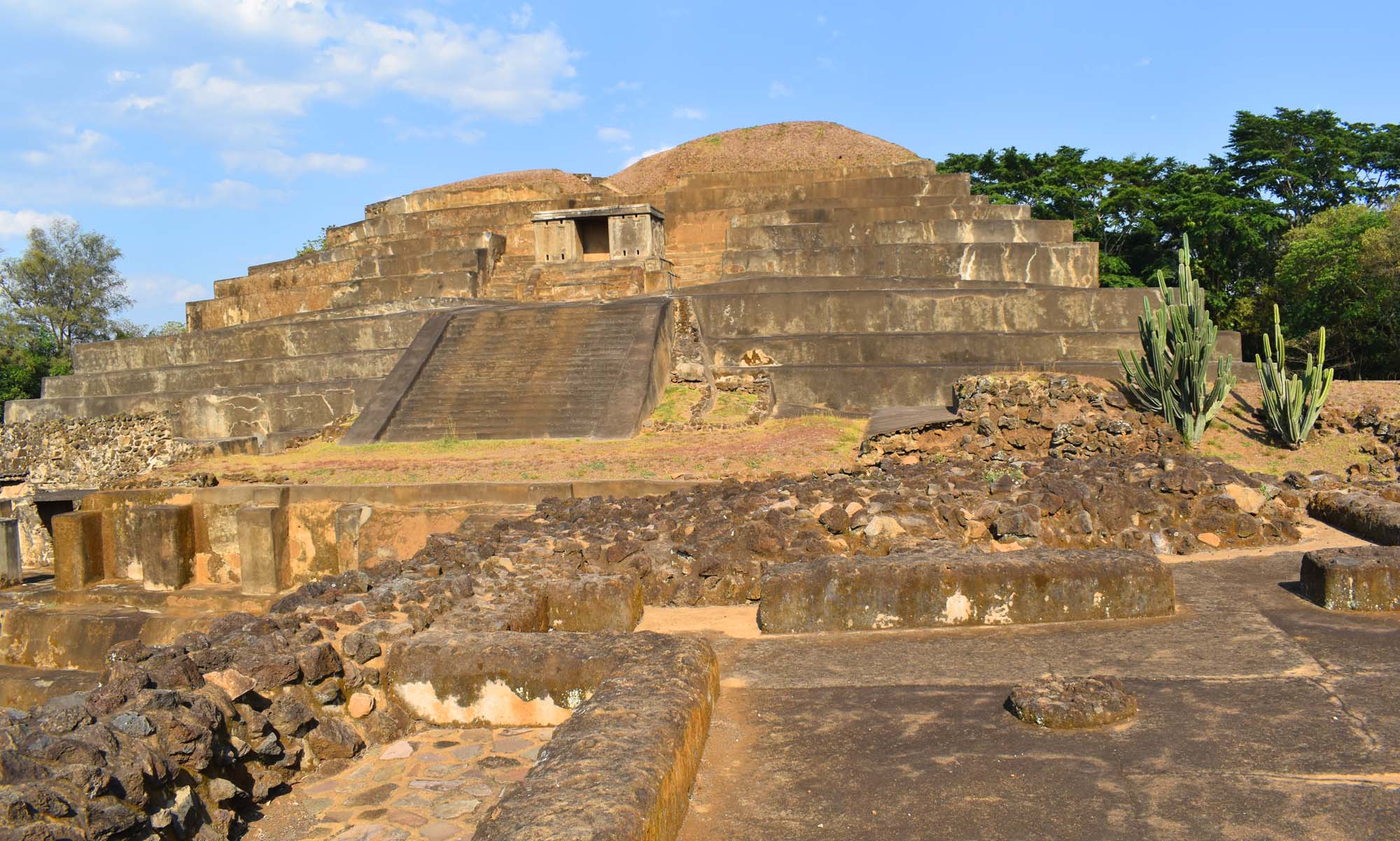
Tazumal is in Chalchuapa which isn’t far as stated from Santa Ana. It’s a temple complex I guess you could say, with the main feature really being a pyramid-like structure, or if you prefer, a pyramid! The exact dates of the structures aren’t clear, but belong to a period stretching from around 250AD to 900AD. It is the most significant Mayan site in the area, there are others in Chalchuapa.
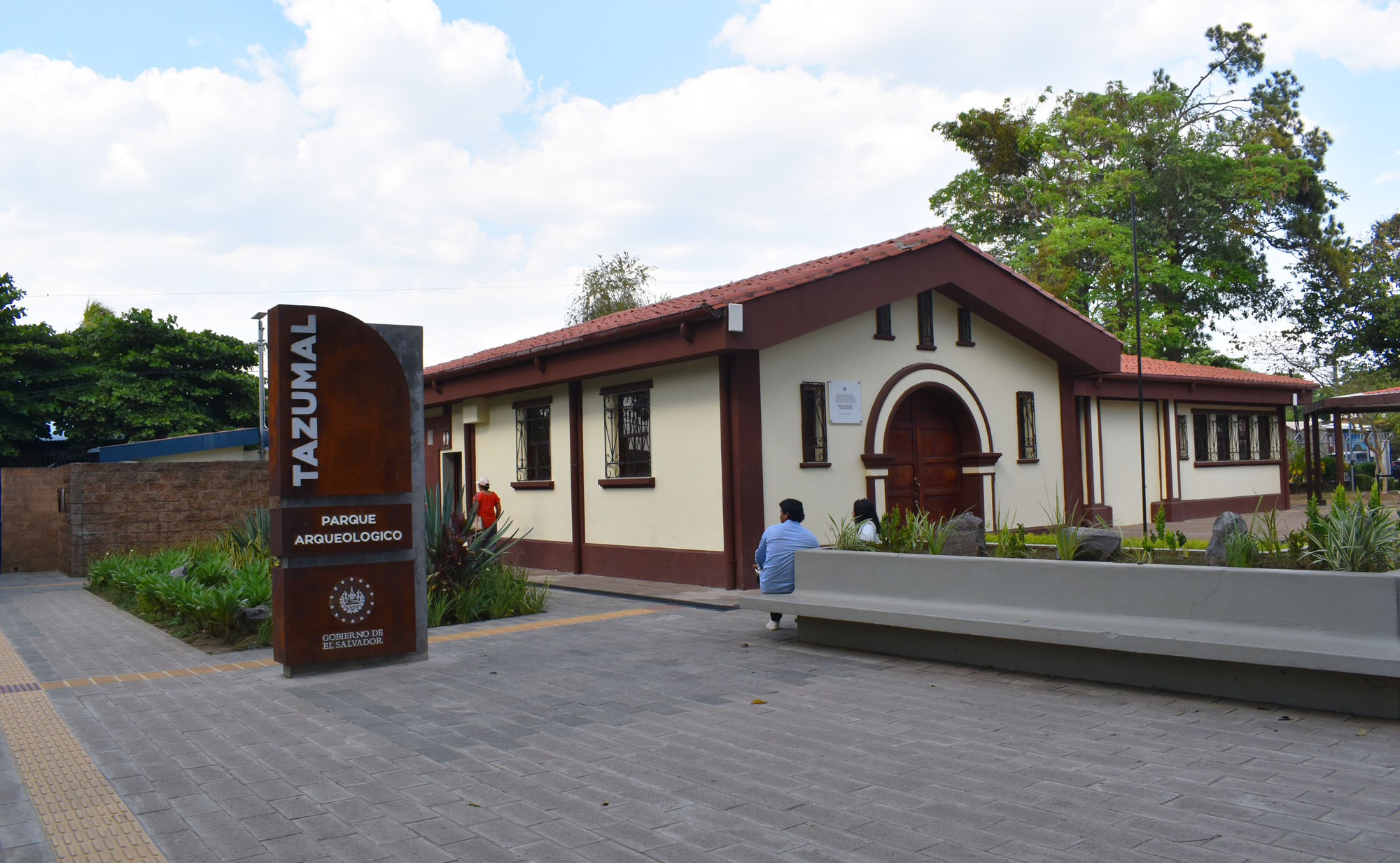
Basically, the pyramid is what you come to see. You enter past another small museum with some artefacts which shouldn’t take you more than 15-20 minutes unless you are really into Mayan history. The pyramid has a sort of viewing platform along the side you enter from, and you can walk all the way around it for views and photos, you can walk up the steps at the front but most of it you’re supposed to keep off of. Which is fair enough, right?
Tazumal was mainly use for ceremonial purposes, and was abandoned between 900AD and 1200 AD. We were there as the sun started to go down which made for some good light. Despite what I said about prices in El Salvador, the entrance here apparently is $5USD.
Thanks for popping by and having a read today! Final blog on Santa Ana and around will be about my attempt to scale the Volcan Santa Ana and the Ruta de Flores. Take care wherever you are in the world and… May the Journey Never End!
 Andy's World Journeys
I found Joya de Ceren fascinating. Maybe not the site itself, but what they found and learned from the site. I think we visited from San Salvador. Maggie