
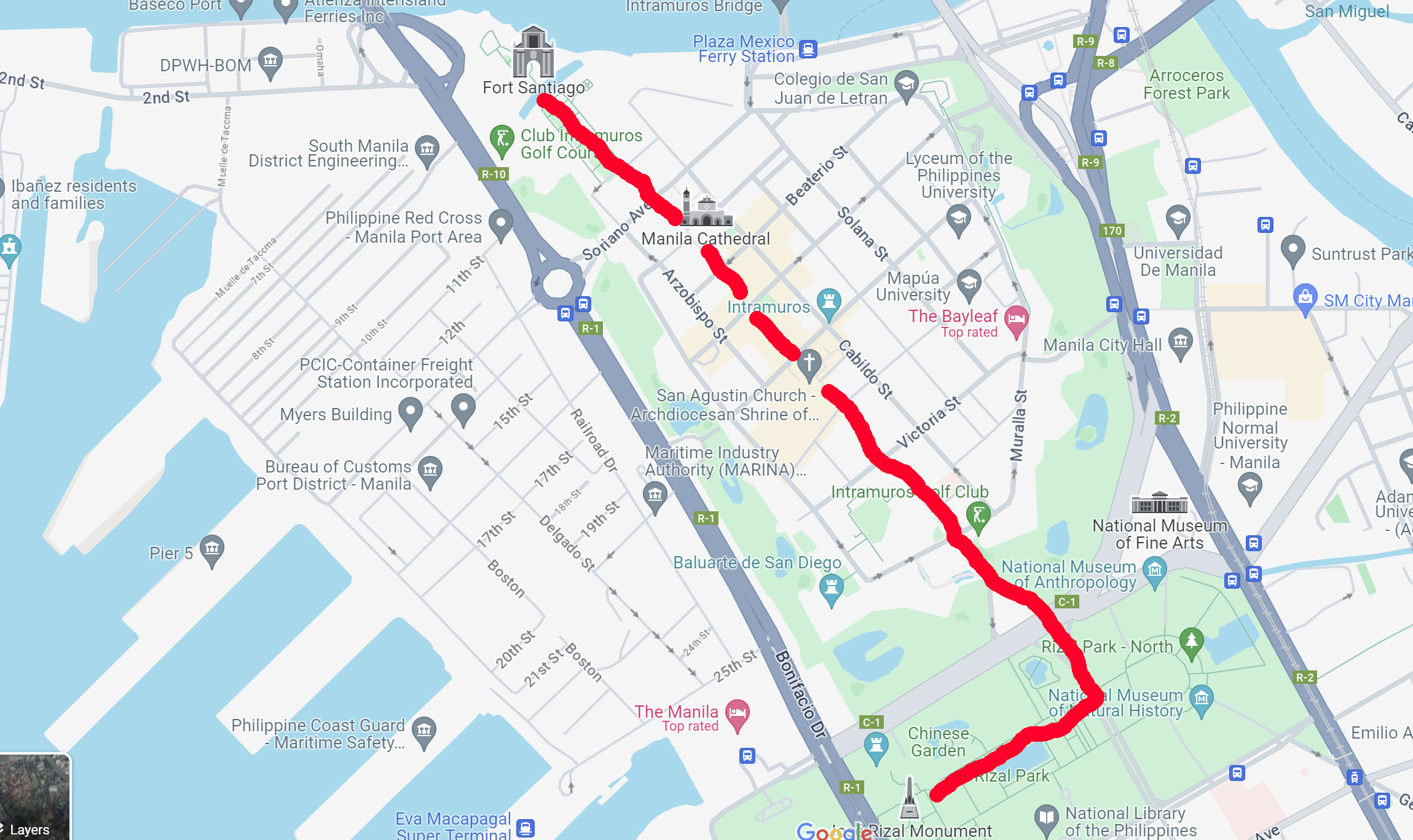
G’day All! Today’s post sees us dive into Manila’s heart, it’s historic district known as Intramuros. My first full day in the Philippines and I set about discovering a bit of its history, and this seemed like the perfect place to start. This walking tour took me a number of hours, five or six if I was to hazard a guess so is definitely doable in a day. It began at one end of Intramuros, at Fort Santiago and it ended in Rizal Park as the sun was setting. Rizal Park is just outside the opposite end of Intramuros to Fort Santiago.
Intramuros itself is a nicely contained historic district inside a wall. On the outside of the wall is a golf course which was a garden repurposed during the ‘American Era’ into a golf course. It’s a little odd and I was surprised when I saw it, however the ‘Club Intramuros Golf Course’ is quite unique and if you were a gold enthusiast (I am not) you might really like it!
Before we dive in, a super-duper brief history of colonial Philippines. Pre-Spanish Occupation there is a whole other history which I have not delved into and I don’t believe I went anywhere where it is particularly evident in my short time in the Philippines. The Philippines is an archipelago of thousands of islands, and it’s really not until the time of Spanish occupation that they are regarded as a group I guess. Spanish occupation through conquest and missionary work dates back to the 16th century. It lasts until the very end of the 19th century when America defeated Spain in their war and took control of the Philippines, which in turn had fought it’s own Revolutionary War from 1896-98 against the Spanish. I gather America’s ‘control’ was in a less imperial way, lasting until just after the Second World War, with the Philippines gain full independence in 1946.
Certainly there were attempts to overthrow occupation before the end of the 19th century, and figures like Jose Rizal were prominent in these efforts. That’s a name I’ll be mentioning a few times as it was his execution that in some ways sparked the Revolution of 1896.
Fort Santiago
This fort is actually a great place to a tour of Manila. It’s massive, affords some great views of the Pasig River, you can walk around for an hour or two and explore and has a small but interesting museum to the historical figure of Jose Rizal. He was kept prisoner here in Fort Santiago and was marched to his execution in what is now Rizal Park from Fort Santiago in 1896.
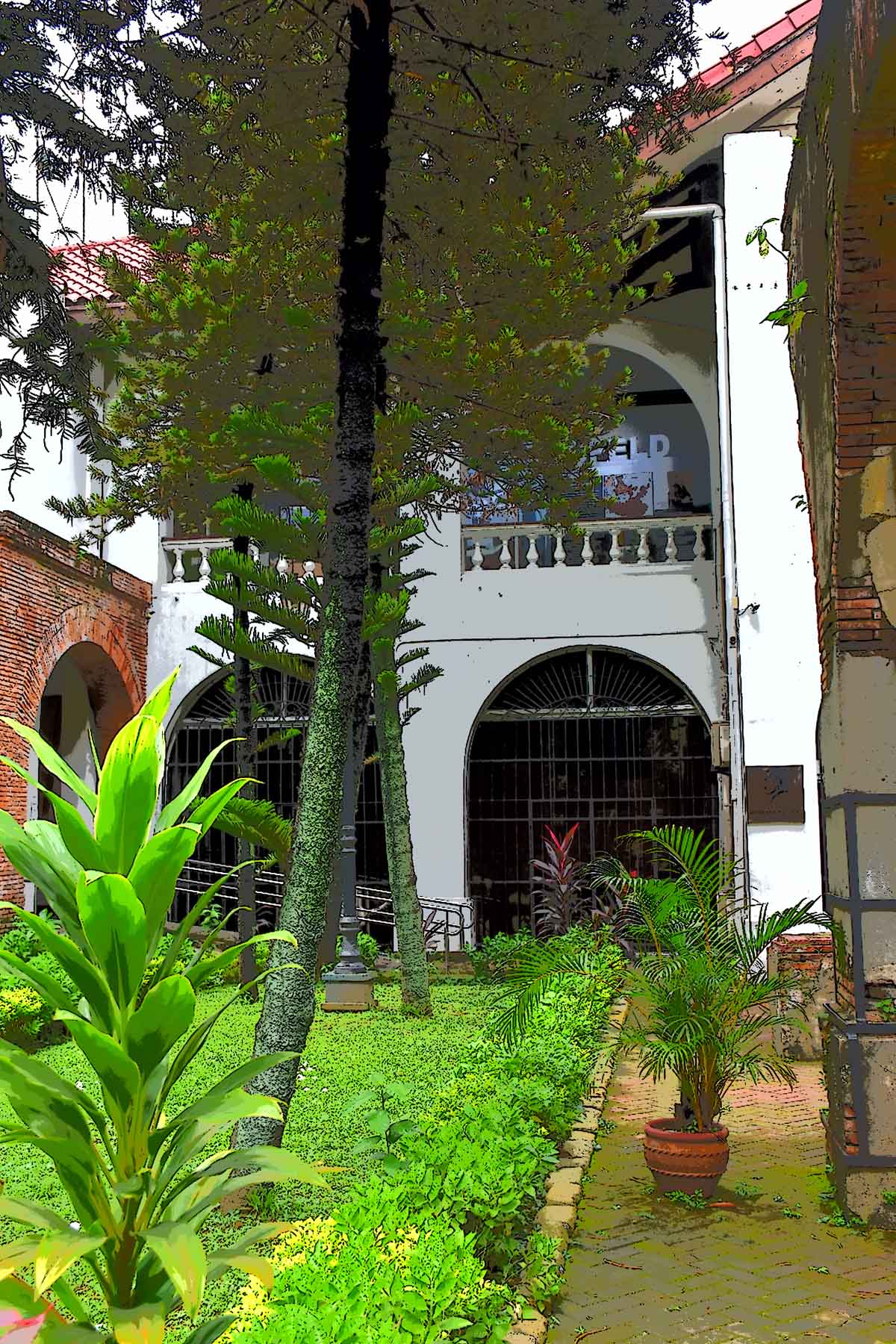


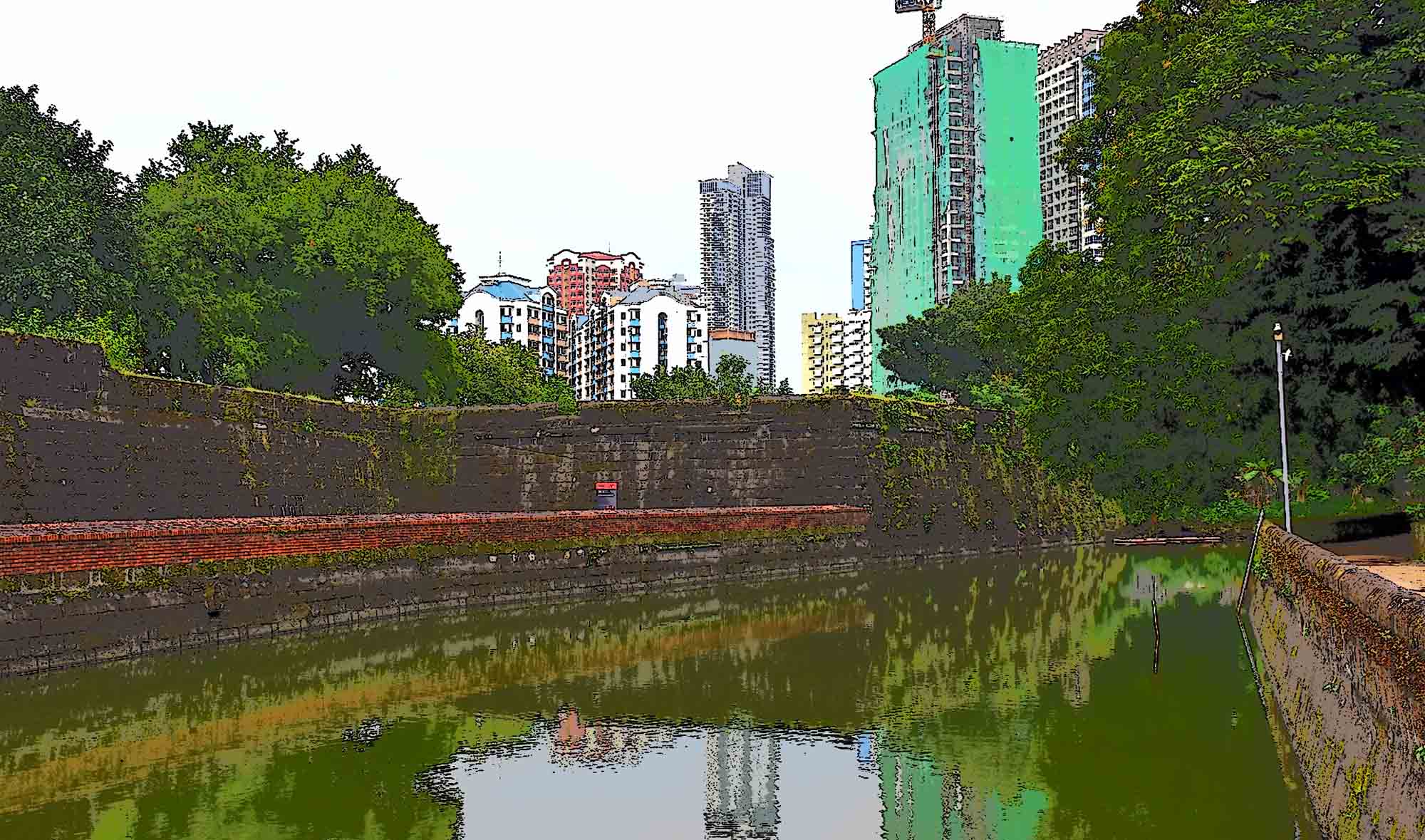
The fort dates back to 1571 and houses an underground dungeon which is somewhat creepy and there was even a Lego exhibition of historic buildings that what particularly underwhelming. You can walk atop the walls at some points, and there are loads of things to take photos of too. Just don’t turn your camera over to ‘effects mode’ like I did and you’ll be fine.
The fort also was important in the Second World War and was captured by the Japanese who kept hundreds of American prisoners of war in those horrible dungeons. The fort itself copped a lot of damage from the American and Philippine forces trying to capture it as well.
Manila Cathedral
Next stop heading from Fort Santiago to Rizal Park is the Manila Cathedral. It’s a Catholic Cathedral – Catholicism being the primary religion in many parts of the Philippines especially Manila – and this somewhat gothic cathedral is dedicated to the Immaculate Conception. The original, main structure dates back to 1581 although there was a church on the site back in 1571. In the Second World War it sustained damage, it has also been rocked by several earthquakes and it didn’t survive all this. The current building actually was built in 1958. It’s free to visit and still quite beautiful. Outside there are a number of touts and people who asked me to go on a tour with them, I don’t know whether they know their stuff or not but I am usually quite comfortable walking by myself and so declined the offers.
Casa Manila
The Casa Manila is an historic house open to the public probably an easy 10 minutes walk from Manila Cathedral. On the way I saw a number of impressive buildings which I photographed, sadly in effects mode. C’est La Vie. There’s a small park on the walk – Plaza de Santa Isabel which has a small memorial to those who died in the war.


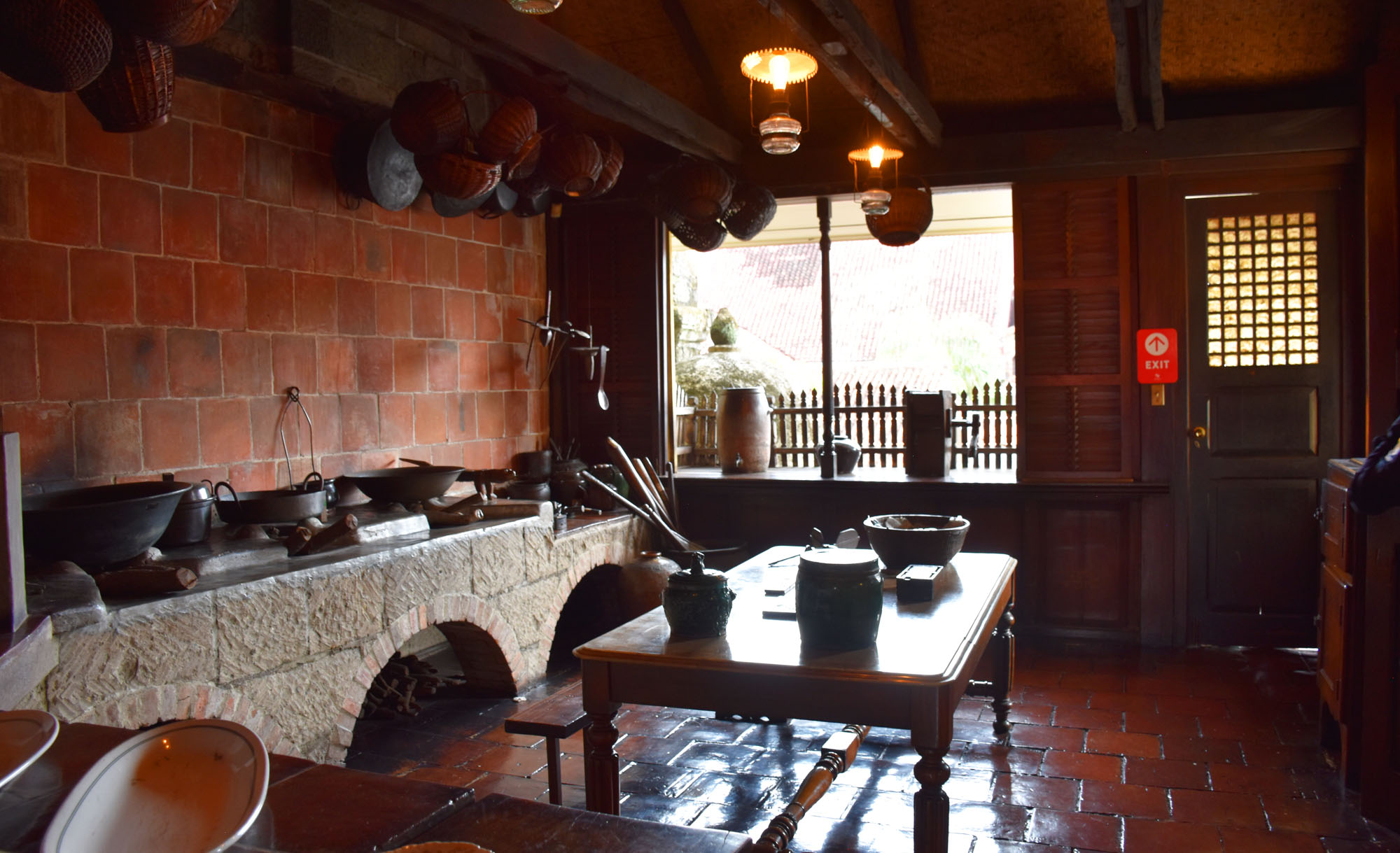
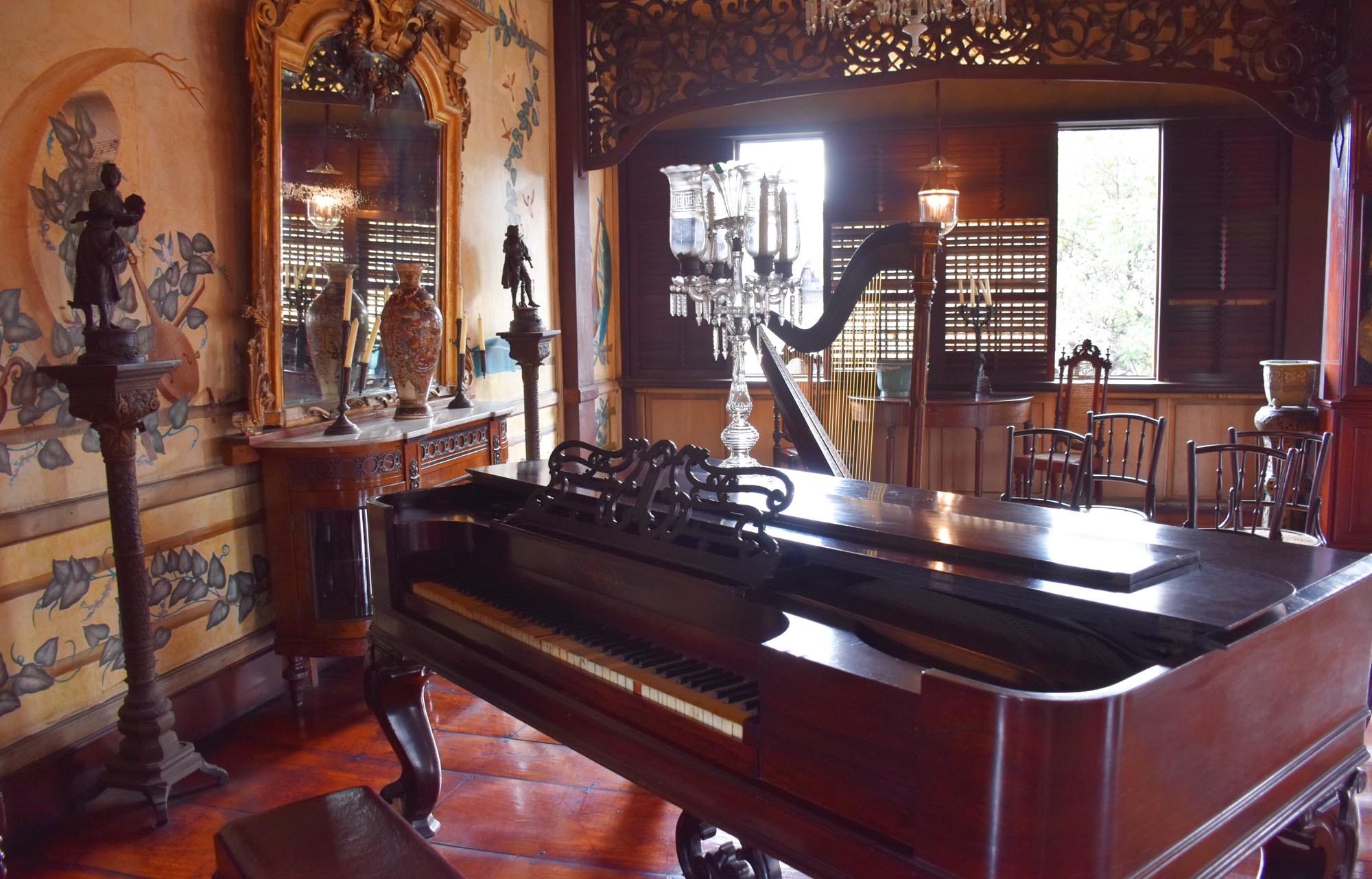
Casa Manila is an 1850s Spanish Colonial House preserved to show how people lived (the colonizers) back in the day. There’s a nice little café below on the corner. You enter via a courtyard and it’s very well looked after. Unfortunately there were a number of school groups through right at the time I was, and I was not allowed to bring my GoPro inside, as we weren’t allowed to film. After I saw a couple of younger adults shooting TikToks I decided that filming with my DSLR would be ok – and that’s when I discovered it had been set on ‘effects’ mode. I had only been using the view finder as the screen was damaged since it tumbled down a rocky hill in Oman.
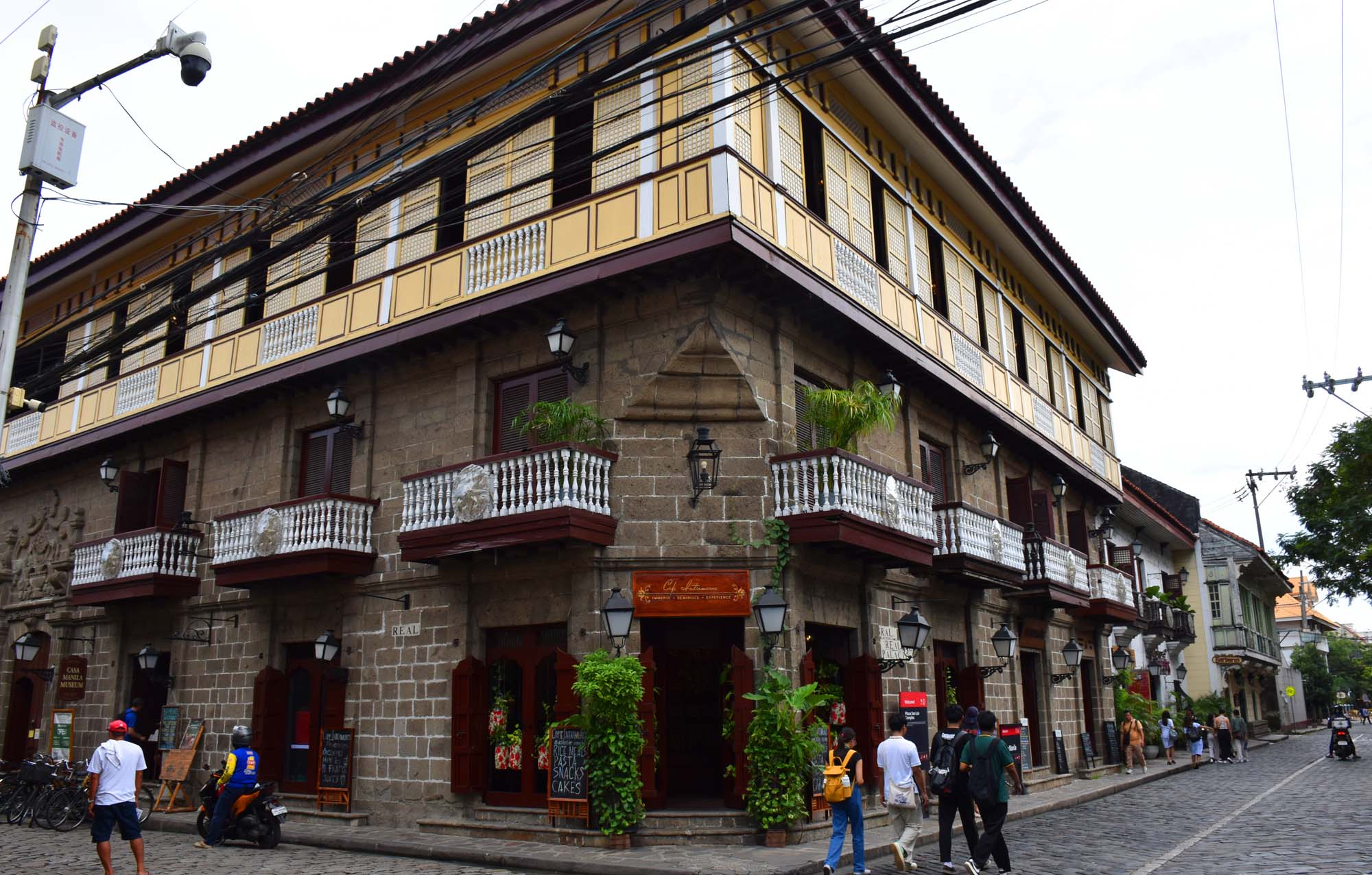
But the house is beautifully decorated and maintained, and it’s definitely worth visiting. Actually I would recommend checking out all the places I visited in this post!
Saint Augustine/San Augustin Church and Monastery
Just opposite the Casa Manila is this amazing monastery attached to a Baroque Church dedicated to Saint Augustine (San Augustin in Spanish). It dates back to the very start of the 17th century and is an UNESCO World Heritage Site.

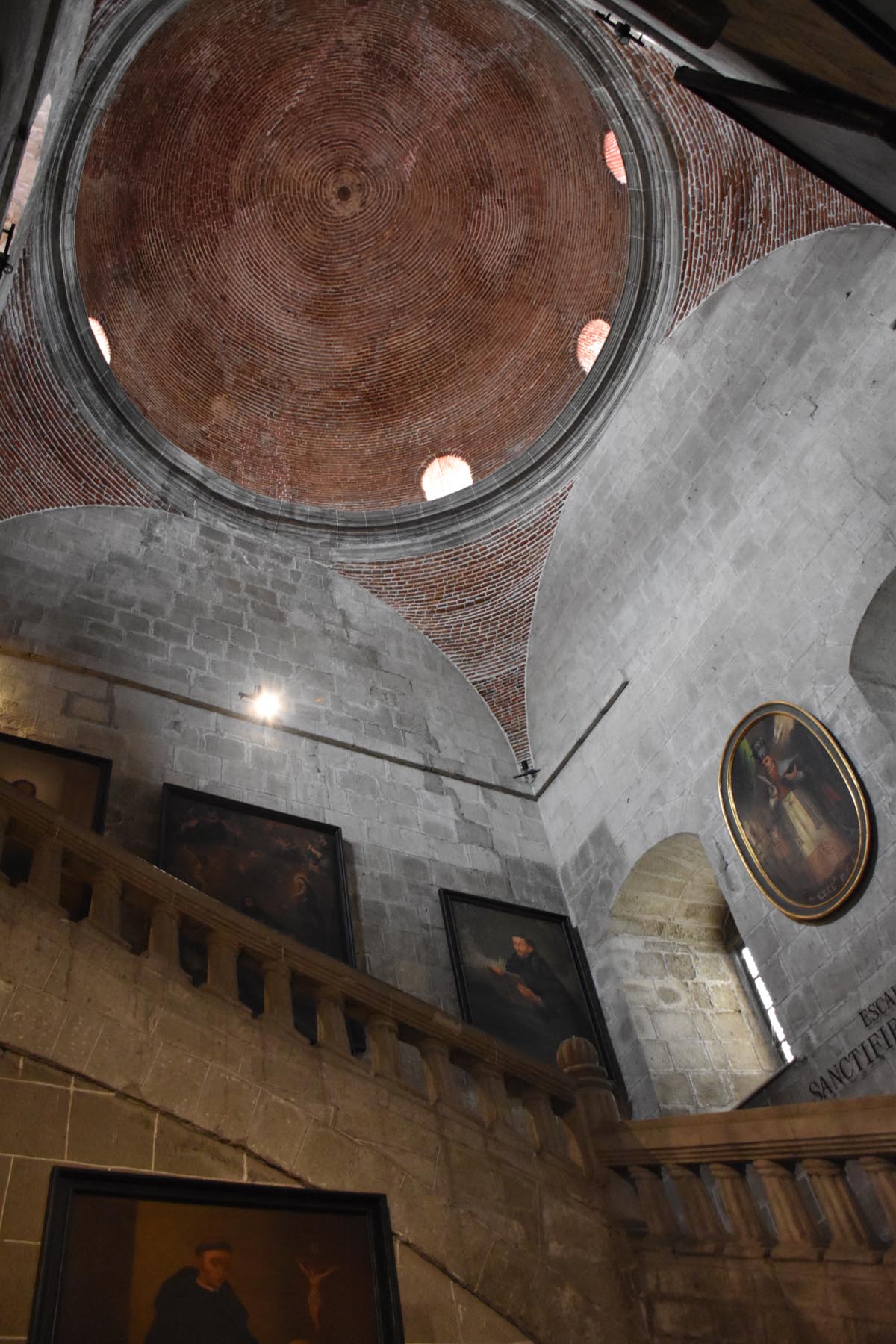
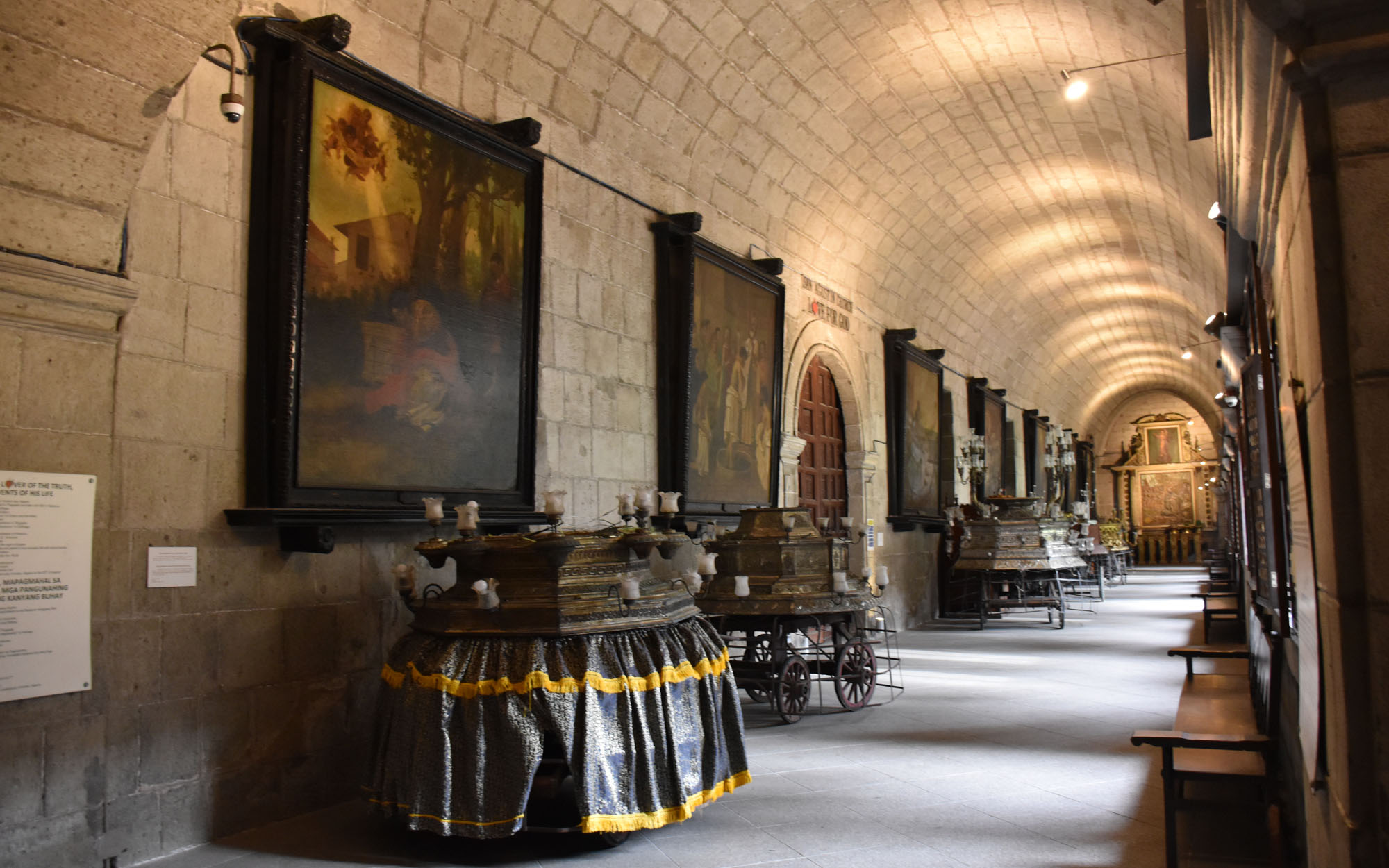

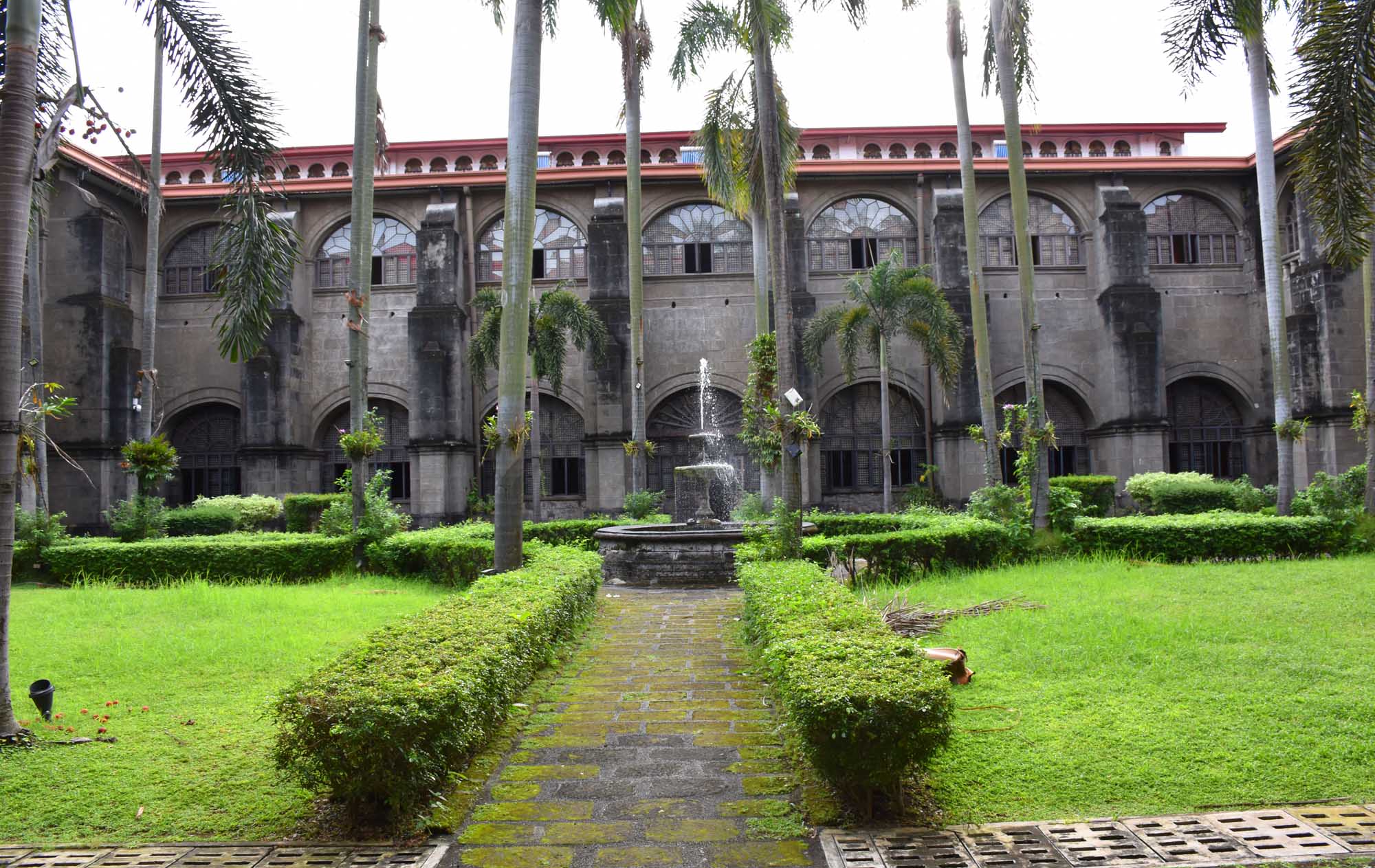
The monastery attached to the church is actually quite big around a beautiful courtyard where walking the cloisters is quite special. You see a collection of floats used in parades/celebrations as you do. It’s also got a couple of small museums inside and you can learn a little about the movement of Catholicism in the archipelago along with the Saint Augustine order which arrived in Cebu well before Manila. There are a lot of catholic artefacts to check out including old robes, if that’s your scene too.
Rizal Park
Onwards I walked down to the entrance (or was it the exit?) of Intramuros under this bridge to find more of the golf course I had initially seen at the other end from Fort Santiago. Suddenly I was out in the traffic and busyness of the city proper – it’s really not a city you can expect to get anywhere quick in, the traffic is pretty hideous to be honest.

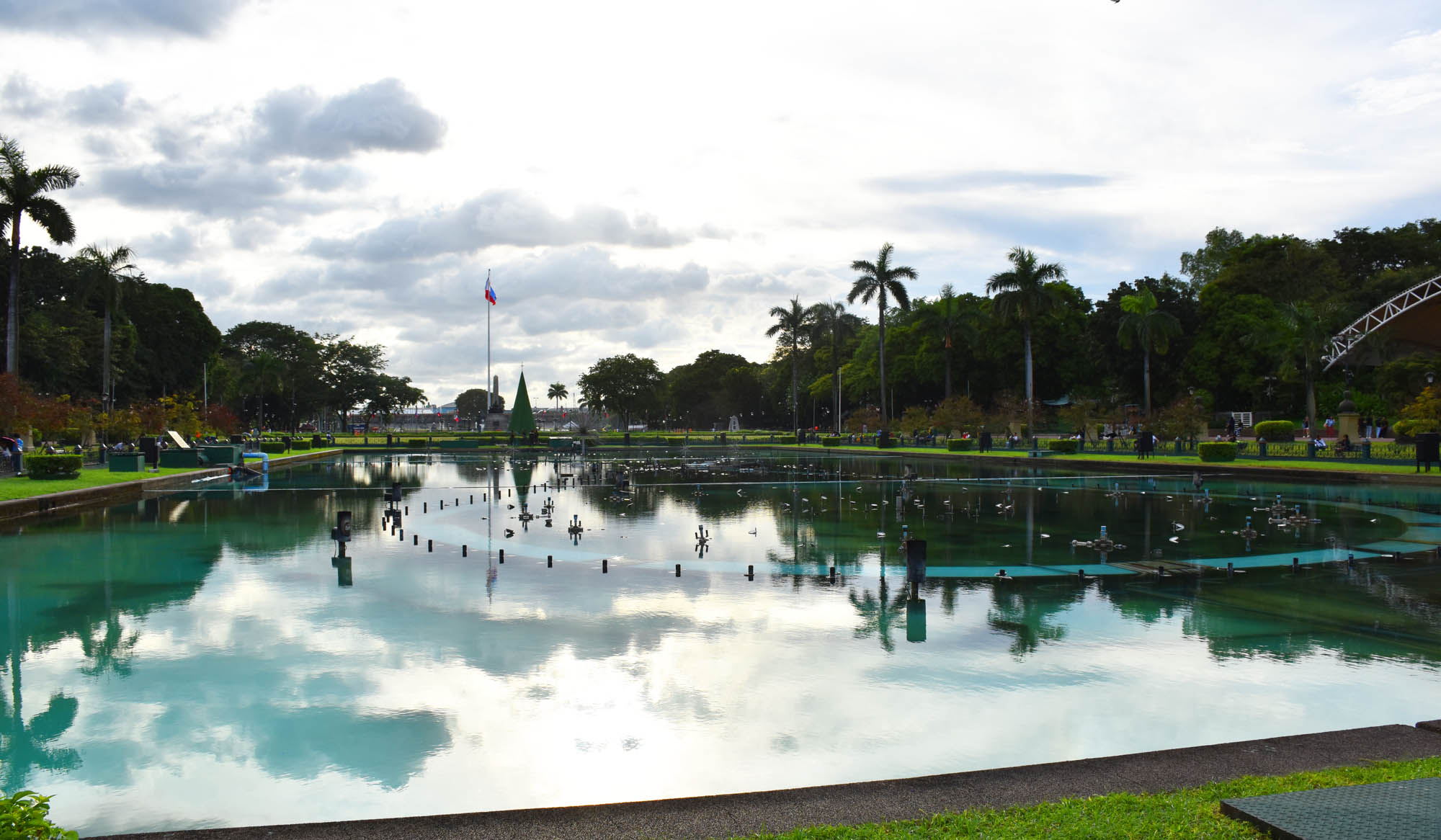

The sun was sort of setting, it was the end of the day and by 630pm the sun would disappear completely. Rizal Park is a large, green park and at one end they were pumping out Philippine pop music, which I affectionately called ‘P-Pop’. A sort of lake/pond/water feature was prominent. Further along and off to one side, a little Chinese Garden.
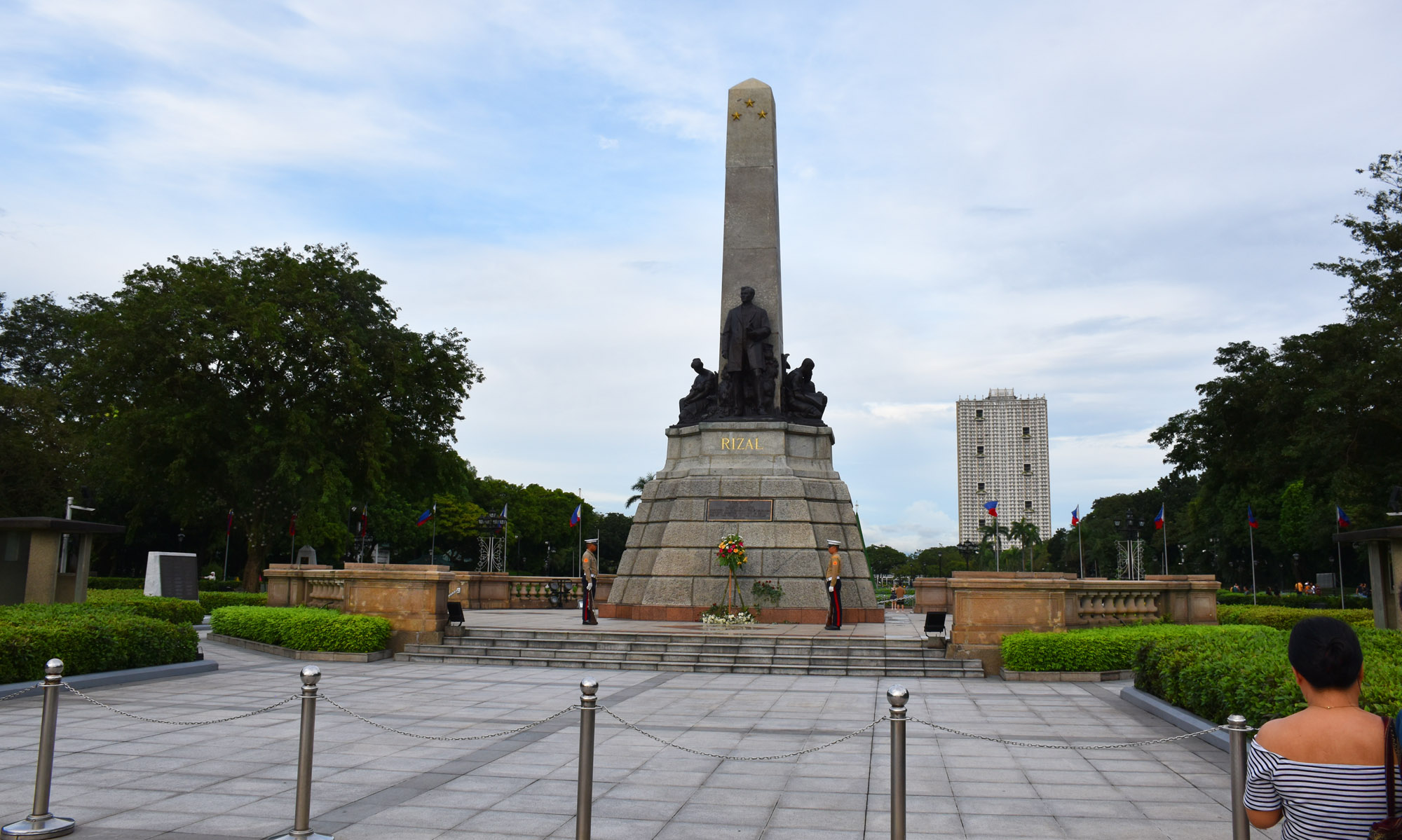
The Rizal Monument stands at the other end, as do many Philippina flags. There is a small monument in one spot, the spot where Rizal was executed, and the larger monument apparently is over or contains his remains. It was Rizal’s execution that sparked the Philippine Revolution of 1896.
And that folks, is a quick summation of a simple, one directional walking tour I did of Intramuros and Rizal Park. Not a bad way to get into Manila. Thanks for joining me today – next time I’ll go through the other sights I caught when in Manila. Thanks for reading today, take care wherever you are in the world, and May the Journey Never End!
 Andy's World Journeys
I enjoyed Manilla and hope to return.
It’s an interesting historical summary, as capitals often are. That’s why to know a country you first need to know its capital, but not only that.